Video pembelajaran Multimedia mapel KKA Kelas X SMAN 1 Sigaluh
Summary
TLDRThis video explores the role of multimedia in the digital era, highlighting how it combines text, images, sound, and video to create more engaging and effective communication. It covers various types of multimedia, such as linear, interactive, static, and dynamic, and touches on advanced technologies like augmented and virtual reality. Multimedia enhances learning, entertainment, and communication by making information more engaging and easier to understand. The production process includes pre-production planning, content creation, and post-production editing to deliver compelling multimedia content.
Takeaways
- 😀 Multimedia plays a crucial role in delivering information effectively by combining various media like text, images, audio, and video.
- 😀 It helps in making information more engaging, clear, and easier to understand for a broader audience.
- 😀 Multimedia involves various elements such as text, images, audio, video, and animation to enhance message delivery.
- 😀 The use of multimedia engages multiple senses, increasing focus and making information more memorable.
- 😀 There are two main types of multimedia: linear (e.g., movies, videos) and interactive (e.g., educational games, quizzes).
- 😀 Static multimedia consists only of text and images, while dynamic multimedia incorporates sound, animation, and moving images.
- 😀 Modern interactive multimedia includes advanced technologies like augmented reality (AR) and virtual reality (VR), providing immersive experiences.
- 😀 In education, multimedia helps make complex topics more understandable through visual aids like videos, images, and animations.
- 😀 In entertainment and communication, multimedia enhances films, games, and social media content to capture and retain audience attention.
- 😀 The process of creating multimedia involves three stages: pre-production (planning), production (content creation), and post-production (editing and publishing).
Q & A
What is multimedia and why is it important?
-Multimedia is a way of conveying information by combining text, images, audio, video, and animation. It is important because it makes the message more engaging, clear, and easier to understand, involving multiple senses and enhancing the learning or entertainment experience.
How does multimedia help in delivering messages effectively?
-Multimedia combines various media types like text, images, sound, and video to make information come alive. This combination helps people focus better, making it easier to understand and remember information for a longer time.
What are the key components of multimedia?
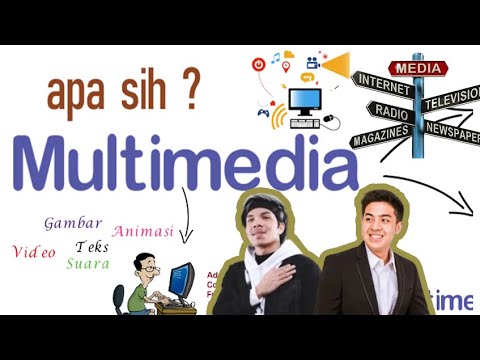
-The key components of multimedia include text (for information), images (for visuals), audio (for sound), video (for motion), and animation (for enhancing visual presentation).
What are the different types of multimedia?
-There are several types of multimedia: linear multimedia (e.g., films or videos that run from start to finish), interactive multimedia (where users can engage with content like through games or quizzes), static multimedia (containing only text and images), and dynamic multimedia (which includes sound, animation, and moving images).
What is the difference between linear and interactive multimedia?
-Linear multimedia, such as films or videos, progresses in a fixed order from start to finish without user interaction. In contrast, interactive multimedia allows users to engage with content, such as clicking menus, making choices, or participating in educational games.
What are augmented reality (AR) and virtual reality (VR) in the context of multimedia?
-Augmented reality (AR) and virtual reality (VR) are modern forms of interactive multimedia. AR overlays digital content onto the real world, while VR creates a completely immersive, simulated environment. Both provide immersive learning and entertainment experiences.
Why is multimedia especially beneficial in education?
-Multimedia enhances learning by presenting complex material in more engaging ways through videos, images, and animations, making it easier for students to grasp difficult concepts and enjoy the learning process.
How is multimedia used in the entertainment and communication sectors?
-In entertainment and communication, multimedia is used in films, animations, games, and social media to convey messages more effectively. It captures attention and communicates messages in a more appealing way to a wide audience.
What are the stages of multimedia production?
-The three stages of multimedia production are: 1) Pre-production, which involves planning the idea, objectives, script, and design; 2) Production, where the content (video, audio, images, and animations) is created; and 3) Post-production, which involves editing, adding effects, and publishing the final product.
What is the role of post-production in multimedia creation?
-Post-production is the final stage of multimedia creation, where content is edited, special effects are added, and the product is prepared for publication. This stage ensures that the multimedia content is polished and ready to be shared with the audience.
Outlines

Этот раздел доступен только подписчикам платных тарифов. Пожалуйста, перейдите на платный тариф для доступа.
Перейти на платный тарифMindmap

Этот раздел доступен только подписчикам платных тарифов. Пожалуйста, перейдите на платный тариф для доступа.
Перейти на платный тарифKeywords

Этот раздел доступен только подписчикам платных тарифов. Пожалуйста, перейдите на платный тариф для доступа.
Перейти на платный тарифHighlights

Этот раздел доступен только подписчикам платных тарифов. Пожалуйста, перейдите на платный тариф для доступа.
Перейти на платный тарифTranscripts

Этот раздел доступен только подписчикам платных тарифов. Пожалуйста, перейдите на платный тариф для доступа.
Перейти на платный тариф


5.0 / 5 (0 votes)

