Deepfake ang tawag sa mga pinekeng video, litrato, o audio gamit ang artificial... | Balitanghali
Summary
TLDRThe video delves into the rise of deepfake technology, exploring how AI is used to create highly realistic fake videos, photos, and audio. It highlights the growing challenges in distinguishing truth from falsehood as deepfakes become more accessible to the public. Experts emphasize the importance of critical thinking, fact-checking, and identifying credible sources to counter misinformation. The video also touches on the role of social media and the difficulties in regulating disinformation, particularly as the Philippines faces a surge in fake news ahead of elections. The need for media literacy and careful evaluation of content is crucial in the fight against fake news.
Takeaways
- 😀 Deepfakes are manipulated videos, images, or audio created using Artificial Intelligence (AI), often appearing real at first glance.
- 😀 The rise of deepfake technology has made it increasingly difficult to differentiate between real and fake media.
- 😀 Deepfakes are created by AI through neural networks, which analyze large data sets to generate new content based on user inputs.
- 😀 Making a deepfake has become more accessible with the availability of apps and powerful personal computers, even requiring only a gaming PC.
- 😀 Deepfake videos are sometimes used to deceive and spread fake news, as in the case of a fabricated video involving Florida Governor Ron DeSantis.
- 😀 To identify deepfakes, pay attention to details like mismatched teeth or lip movements that may not match natural speech.
- 😀 Checking the message in the video is crucial; ask whether the content has an agenda, such as promoting a product or attacking someone's reputation.
- 😀 Investigate the credibility of the source and the website where the video originates. Reputable news outlets should corroborate the video content.
- 😀 Fact-checking is becoming more difficult as misinformation spreads rapidly, especially with the advent of new social media platforms.
- 😀 Critical thinking, or the ability to evaluate and assess online posts before believing or sharing them, is essential in the fight against disinformation.
- 😀 Governments are concerned about the impact of fake news, as there is a lack of regulations on social media platforms and online content in the Philippines.
Q & A
What is a deepfake?
-A deepfake is a manipulated video, image, or audio created using artificial intelligence (AI) to make it look real. It can be used to deceive or mislead people into believing something false.
When did deepfakes first emerge?
-Deepfakes first emerged in 2017, and over time, they have become increasingly realistic and difficult to distinguish from genuine content.
How do deepfakes work?
-Deepfakes are created by AI that uses neural networks to analyze vast amounts of data and generate new images, videos, or audio based on user instructions. This process is powered by high-performance computers that can analyze millions of data points in seconds.
What makes it easier for people to create deepfakes now?
-With the advancement of technology, deepfakes have become easier to create. Now, even individuals with a gaming PC can generate deepfakes using apps, thanks to faster computing power and better AI tools.
How are deepfakes used maliciously?
-Deepfakes are often used to spread fake news, manipulate public opinion, and damage reputations. For example, a deepfake video of Florida Governor Ron DeSantis falsely claiming he withdrew from the presidential race circulated during the campaign.
What can we look for to detect a deepfake?
-To spot a deepfake, pay attention to inconsistencies like the movement of the subject's lips, eyes, and teeth. Also, critically analyze the message itself—check if the content matches the speaker's personality or if it makes sense in context.
Why is it hard to verify deepfakes?
-As deepfakes become more realistic and harder to detect, verifying them has become more difficult. The spread of disinformation, especially with new social media platforms, makes fact-checking more challenging.
What is 'pre-bunking'?
-Pre-bunking is the practice of educating people about disinformation and helping them recognize fake content before it spreads. This proactive approach aims to ensure that the truth is disseminated before false claims can take root.
What role do emotions play in the spread of disinformation?
-Disinformation often targets people's emotions to encourage quick reactions like sharing or commenting. This emotional manipulation helps spread fake news more effectively, generating more engagement and, consequently, more profit for the publishers.
What challenges does the Philippine government face in regulating fake news?
-The Philippine government struggles with a lack of regulations on online harms and social media platforms. There is no strong regulatory framework in place, which emboldens bad actors to spread disinformation without fear of consequences.
Outlines

Этот раздел доступен только подписчикам платных тарифов. Пожалуйста, перейдите на платный тариф для доступа.
Перейти на платный тарифMindmap

Этот раздел доступен только подписчикам платных тарифов. Пожалуйста, перейдите на платный тариф для доступа.
Перейти на платный тарифKeywords

Этот раздел доступен только подписчикам платных тарифов. Пожалуйста, перейдите на платный тариф для доступа.
Перейти на платный тарифHighlights

Этот раздел доступен только подписчикам платных тарифов. Пожалуйста, перейдите на платный тариф для доступа.
Перейти на платный тарифTranscripts

Этот раздел доступен только подписчикам платных тарифов. Пожалуйста, перейдите на платный тариф для доступа.
Перейти на платный тарифПосмотреть больше похожих видео

Create Youtube Summary Videos Of ANY Video For FREE (With Narrated AND Stock Video) - 3 AI Tools

15 Free Ai Tools That Are Making People RICH

Deepfake : je deviens Macron (ça tourne mal) / IA - Info ou Mytho
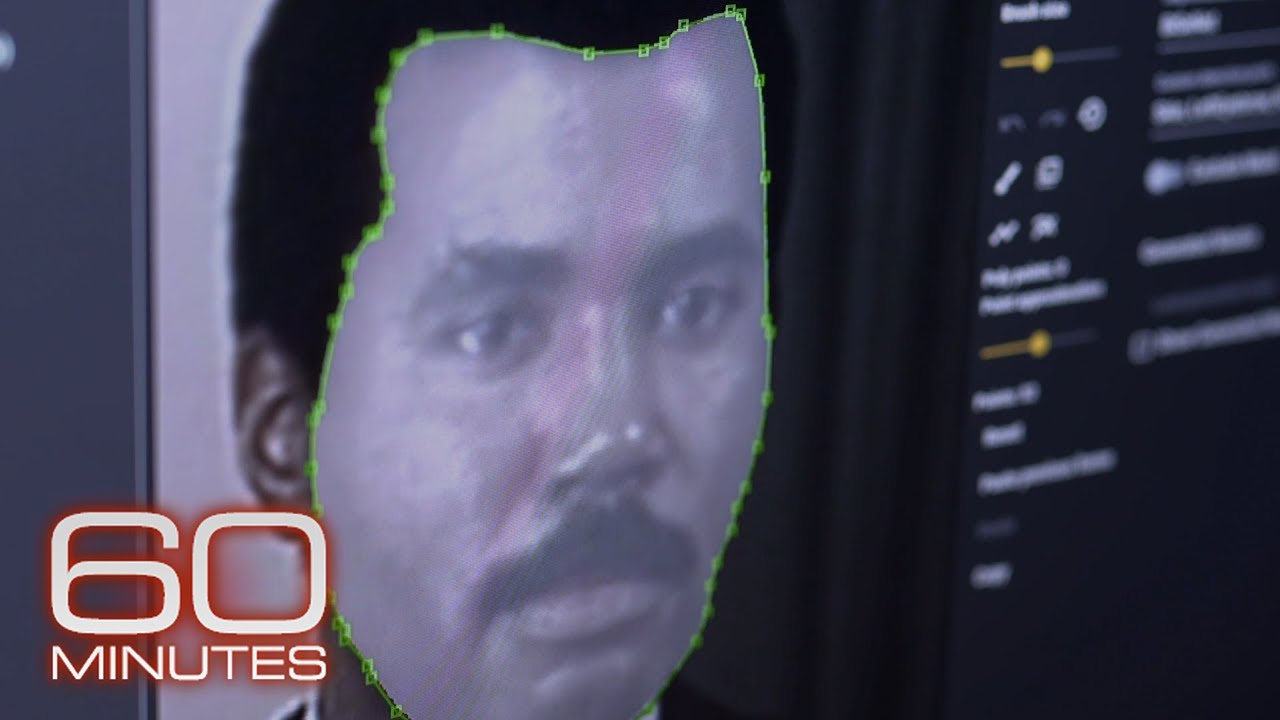
How synthetic media, or deepfakes, could soon change our world

Bir Bu Kalmıştı! Videolara SES EFEKTİ Üreten YAPAY ZEKA

10 Ways Students Are Using AI to CHEAT
5.0 / 5 (0 votes)

