7 Harta Karun Indonesia yang Bisa Guncang Ekonomi Dunia! Negara-Negara Ketar-Ketir?! | Ekonomi
Summary
TLDRThis video highlights Indonesia's rich natural resources, including natural gas, gold, nickel, coal, tin, bauxite, and copper, and their significant role in shaping the global economy. With vast reserves and major export partnerships, Indonesia plays a crucial role in energy supply and manufacturing worldwide. The video explores how these resources contribute to national income, infrastructure development, and international trade. It concludes by inviting viewers to imagine the potential impact if Indonesia were to stop exporting some of its key resources, encouraging audience interaction and engagement.
Takeaways
- 😀 Indonesia is rich in natural resources, which play a key role in the global economy.
- 😀 Indonesia's natural resource wealth includes gas, gold, nickel, coal, tin, bauxite, and copper.
- 😀 Indonesia holds 2.8 trillion cubic meters of natural gas reserves, which are crucial for petrochemical industries and energy production.
- 😀 Indonesia ranks 6th globally in gold reserves, with 2,600 tons of gold, contributing significantly to global gold trade.
- 😀 Nickel reserves in Indonesia are among the largest in the world, with 5 billion tons, making it a key player in global nickel exports.
- 😀 Coal reserves in Indonesia are substantial, with 99.19 billion tons available, supporting global energy demand, particularly in China and India.
- 😀 Indonesia has 2.5 million tons of tin reserves, making it a major supplier to countries like South Korea, Singapore, and Japan.
- 😀 Bauxite reserves in Indonesia rank 6th globally, with significant exports to countries like China and Malaysia.
- 😀 Indonesia is the 10th largest copper reserve holder in the world, with 3% of global copper reserves.
- 😀 The export of these natural resources benefits both Indonesia (through national income, infrastructure development, and investment) and the importing countries (through a stable supply of raw materials).
Q & A
What is Indonesia's rank in terms of gold reserves globally?
-Indonesia ranks sixth in the world with a gold reserve of 2,600 tons.
What are the main components of natural gas in Indonesia, and how are they used?
-The main components of Indonesia's natural gas are methane and ethane, which are used as raw materials in the petrochemical industry, while propane and butane are used as fuel for heating, cooking, and as industrial raw materials.
Which countries are major recipients of Indonesia's gold and jewelry exports?
-The major recipients of Indonesia's gold and jewelry exports are Switzerland, Singapore, Hong Kong, and Australia, with these countries accounting for 93.02% of the total exports.
How much nickel does Indonesia have in reserve, and which countries are its primary export destinations?
-Indonesia has a nickel reserve of 5 billion tons. The primary destinations for its nickel exports include China, Japan, and Norway.
What is the size of Indonesia's coal reserves, and which countries are the top recipients of its coal exports?
-Indonesia has 99.19 billion tons of coal reserves, with an additional 35.02 billion tons in other reserves. The top recipients of Indonesia's coal exports include China, India, and the Philippines.
How much tin does Indonesia have, and where is its tin exported?
-Indonesia has 2.5 million tons of tin, with reserves of 2.24 million tons. Its primary tin export destinations include South Korea, Singapore, India, Taiwan, the Netherlands, and Japan.
What is Indonesia's global ranking for bauxite reserves, and which countries import bauxite from Indonesia?
-Indonesia holds the sixth position globally for bauxite reserves. The main countries that import bauxite from Indonesia are China, Malaysia, India, and the United Arab Emirates.
What is the size of Indonesia's copper reserves, and which countries are its main copper export markets?
-Indonesia is the tenth-largest holder of copper reserves globally, with 3% of the world's copper reserves, equivalent to 24,000 tons. Its copper exports primarily go to China, South Korea, Taiwan, and India.
How does Indonesia benefit economically from exporting its natural resources?
-Indonesia benefits from its natural resource exports by generating national income, supporting infrastructure development, and attracting investment, which helps strengthen the economy.
What would happen if Indonesia stopped exporting some of its natural resources?
-If Indonesia stopped exporting some of its natural resources, it could disrupt global supply chains, affect the economies of countries dependent on those resources, and potentially harm Indonesia's own economic growth by losing export revenue.
Outlines

Этот раздел доступен только подписчикам платных тарифов. Пожалуйста, перейдите на платный тариф для доступа.
Перейти на платный тарифMindmap

Этот раздел доступен только подписчикам платных тарифов. Пожалуйста, перейдите на платный тариф для доступа.
Перейти на платный тарифKeywords

Этот раздел доступен только подписчикам платных тарифов. Пожалуйста, перейдите на платный тариф для доступа.
Перейти на платный тарифHighlights

Этот раздел доступен только подписчикам платных тарифов. Пожалуйста, перейдите на платный тариф для доступа.
Перейти на платный тарифTranscripts

Этот раздел доступен только подписчикам платных тарифов. Пожалуйста, перейдите на платный тариф для доступа.
Перейти на платный тарифПосмотреть больше похожих видео

Menakjubkan! Inilah 7 Sumber Daya Alam Indonesia yang mengendalikan Dunia | INVESTASI

Potensi Pertambangan Indonesia #kumer
10 PERUSAHAAN TAMBANG TERBESAR DI INDONESIA

POTENSI SUMBER DAYA ALAM INDONESIA

POTENSI SUMBER DAYA ALAM INDONESIA
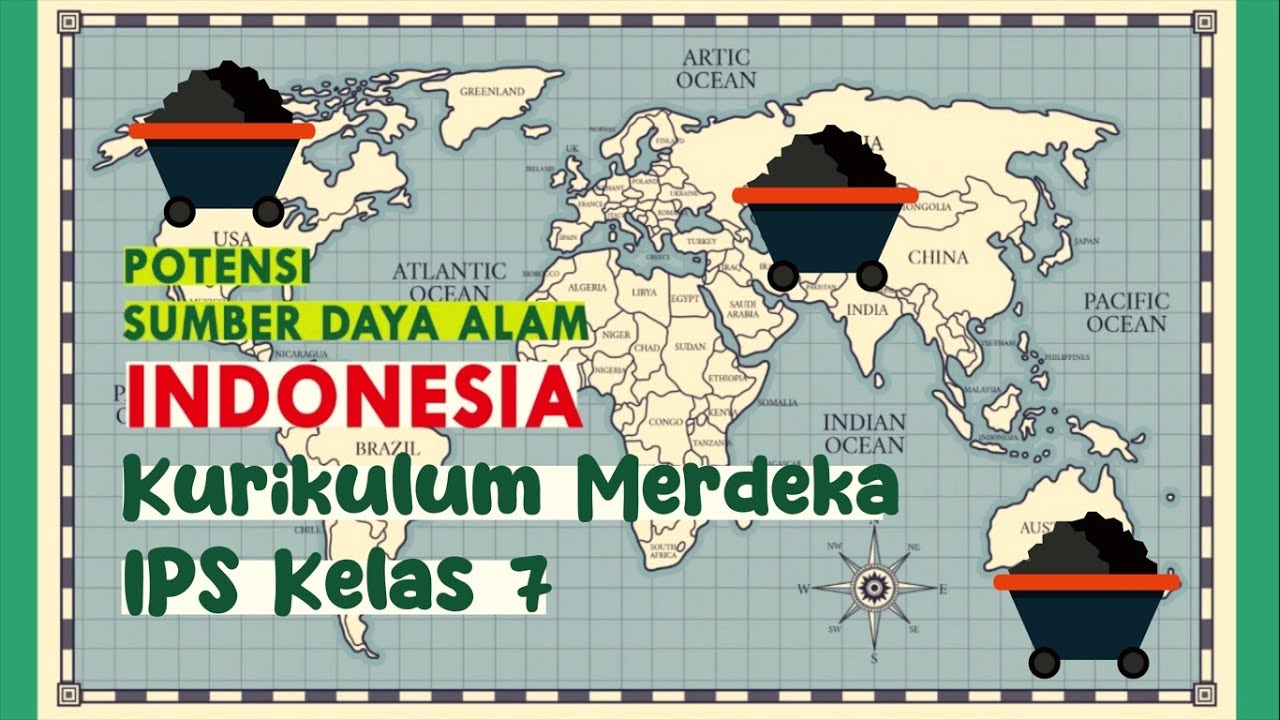
Potensi Sumber Daya Alam di Indonesia || Media Pembelajaran IPS Kelas 7 || Kurikulum Merdeka
5.0 / 5 (0 votes)

