One-to-One Technology in Middle School Learning//Discussion video.
Summary
TLDRThe conversation discusses the concept of one-to-one technology in schools, particularly in South Korea, where students use personal devices like laptops and smartphones for learning. While some students see the benefits of having easy access to information, others highlight the challenges such as cheating and distractions. The group agrees that how students use technology determines its effectiveness, and the role of teachers is crucial in guiding students to use devices responsibly. The discussion emphasizes that technology can be both a useful tool and a source of problems, depending on its usage.
Takeaways
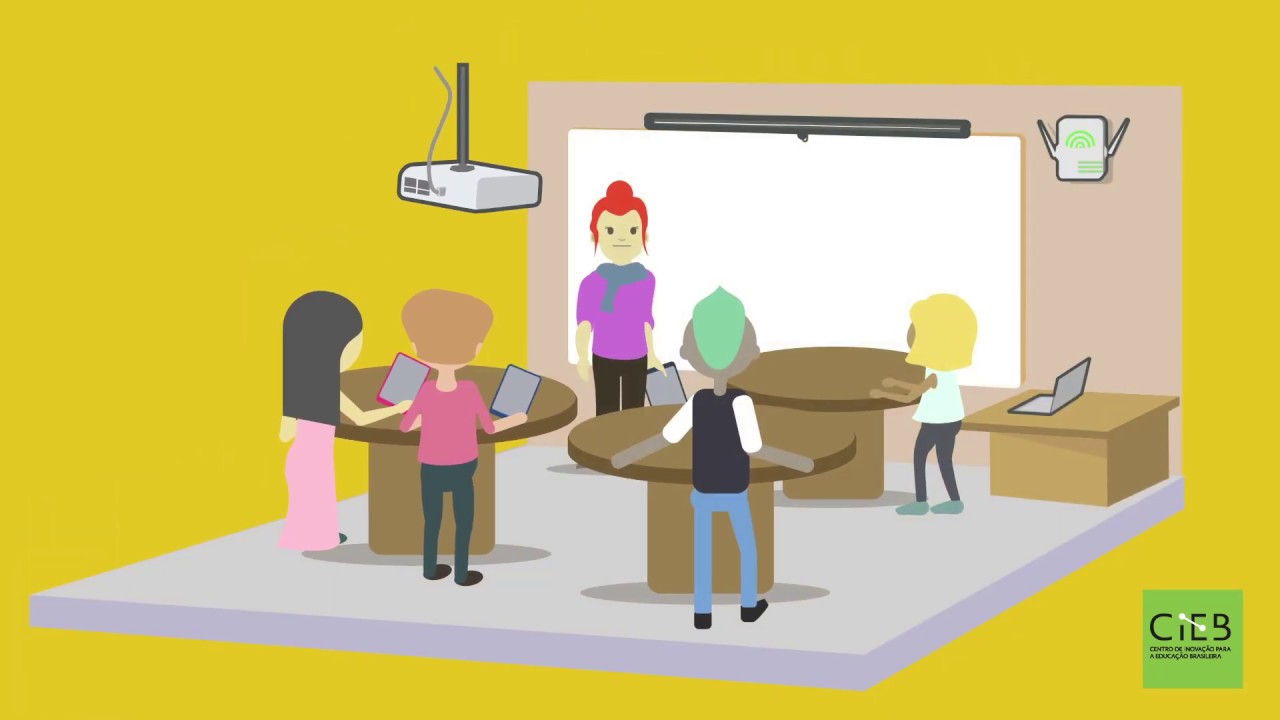
- 😀 One-to-one technology in schools refers to the practice where students bring their own devices (smartphones, laptops, tablets) to school, especially seen in countries like South Korea.
- 😀 The use of personal devices for learning can help students easily access information, search for resources, and get help with lessons via the internet or AI tools like Google.
- 😀 While technology can enhance learning, it can also be misused for cheating, as students can look up answers online or use AI to solve problems during tests.
- 😀 The effectiveness of one-to-one technology in schools depends on how responsibly students use their devices, balancing educational use with potential distractions.
- 😀 Many students in grade 7 already use their smartphones extensively for studying and taking tests, although this can lead to negative consequences like increased cheating.
- 😀 A major challenge of one-to-one technology in schools is controlling students' device use, as teachers cannot always monitor students’ phones and activities in real time.
- 😀 The lack of control over devices in the classroom leads to distractions like playing games or browsing non-educational apps, which can undermine the learning environment.
- 😀 Not all schools trust students with smartphones and gadgets, but countries like South Korea are seen as more advanced in integrating technology into the classroom.
- 😀 In countries like Indonesia, the biggest challenge of implementing one-to-one technology is ensuring that students use their devices responsibly and do not get distracted during lessons.
- 😀 Teachers play a crucial role in guiding students to use technology wisely, educating them on how to balance its advantages with its potential downsides, like cheating and distraction.
Q & A
What is 'one-to-one technology' as discussed in the transcript?
-'One-to-one technology' refers to a learning model where each student has access to their own personal device, such as a laptop, smartphone, or tablet, which they bring to school to aid in their education.
How is the concept of one-to-one technology used in South Korea?
-In South Korea, students bring their own devices like laptops, smartphones, or tablets to school. This practice aims to enhance their learning experience by providing immediate access to digital resources.
What is the perceived benefit of technology for students' learning according to the conversation?
-Technology is seen as beneficial for learning because it allows students to easily search for information online, use tools like Google or AI to understand lessons, and access various educational resources.
What are the potential downsides of technology in education mentioned in the transcript?
-The downsides include the possibility of cheating, such as using AI or other resources to get answers during exams or homework. Additionally, students may use their devices for non-educational purposes like playing games.
How does the use of smartphones in school lead to an increase in cheating?
-Smartphones can easily provide access to answers or tools for cheating during exams or assignments. Students may search for answers online or use AI assistance, which is a major concern for educators.
What is the challenge of implementing one-to-one technology in schools as discussed in the transcript?
-The main challenge is that students may misuse their devices for non-educational purposes, such as playing games or accessing unrelated content, which becomes difficult for teachers to monitor.
What role do teachers play in managing the use of technology in schools?
-Teachers play a critical role in guiding students to use technology responsibly. They are responsible for educating students on how to use their devices wisely and ensuring that technology is used for educational purposes rather than distractions.
What example of technology use in school is given from the speakers' own experiences?
-The speakers mention that during their time in grade seven, they frequently used smartphones for studying and taking tests. However, this also led to an increase in cheating and misuse of the devices.
What are the potential risks of students using smartphones for studying, as mentioned in the transcript?
-While smartphones can aid in studying, they can also lead to distractions, such as students opening unrelated apps or browsing the internet for entertainment, which takes away from their focus on learning.
How does the group conclude the discussion about the challenges and benefits of one-to-one technology in schools?
-The group concludes that the success of one-to-one technology in schools depends on how students use the devices. It’s up to students to use technology responsibly, and teachers have an essential role in guiding them on how to do so effectively.
Outlines

Этот раздел доступен только подписчикам платных тарифов. Пожалуйста, перейдите на платный тариф для доступа.
Перейти на платный тарифMindmap

Этот раздел доступен только подписчикам платных тарифов. Пожалуйста, перейдите на платный тариф для доступа.
Перейти на платный тарифKeywords

Этот раздел доступен только подписчикам платных тарифов. Пожалуйста, перейдите на платный тариф для доступа.
Перейти на платный тарифHighlights

Этот раздел доступен только подписчикам платных тарифов. Пожалуйста, перейдите на платный тариф для доступа.
Перейти на платный тарифTranscripts

Этот раздел доступен только подписчикам платных тарифов. Пожалуйста, перейдите на платный тариф для доступа.
Перейти на платный тарифПосмотреть больше похожих видео

(Hortatory Exposition Listening) Students should be Allowed to Use Mobile Technologies in Class

Information and communication Technology for education

Success Beyond Screen | Shobhit Nirwan | TEDxYouth@TheModernSchoolBarmer

인공지능을 한 단계 도약시킬 반도체? 이름부터 어려운 뉴로모픽에 대해 아는 척해보자

Student screen time: Finnish schools reverse policy on digital devices
Ensino híbrido: rotação por estações
5.0 / 5 (0 votes)

