Data Analytics vs. Machine Learning
Summary
TLDRThe transcript explores the evolution of data management, from structured databases in the 1980s to the rise of AI-driven knowledge and wisdom. It discusses the shift from business intelligence to knowledge-centric data models and the role of analytics in augmenting human decision-making. The speaker emphasizes that AI does not always require autonomy but can enhance expert productivity. Additionally, the relationship between statistics and AI is highlighted, urging collaboration between domain experts, business analysts, and data scientists to solve the right problems with the right questions.
Takeaways
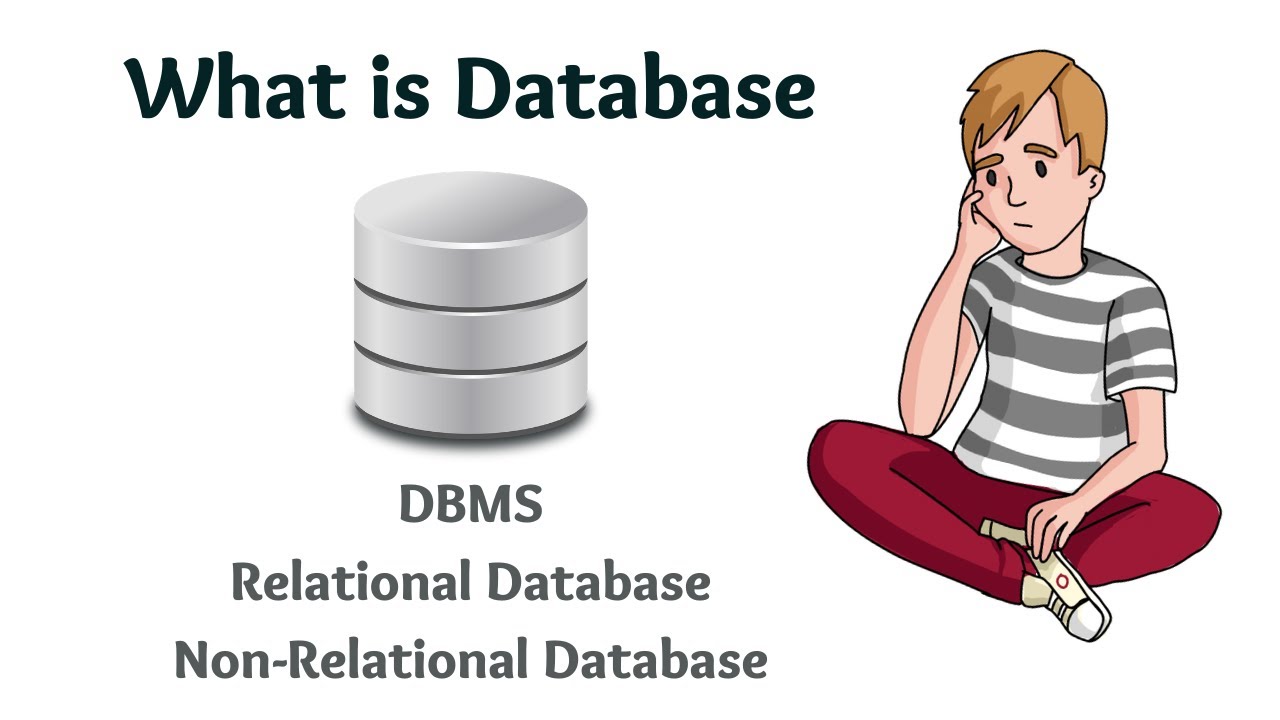
- 😀 Structured data storage, such as relational databases (e.g., Oracle, MySQL), was crucial in the 80s for organizing and managing data.
- 😀 Business Intelligence (BI) evolved to create a unified view of data across multiple databases, focusing on an information-centric approach.
- 😀 AI represents a shift towards compressing vast amounts of historical data into concise, actionable knowledge, enabling smarter decision-making.
- 😀 Wisdom goes beyond knowledge, empowering autonomous programs (e.g., self-driving cars, Watson) to act without human intervention.
- 😀 Analytics focuses on empowering human decision-makers by providing them with knowledge, while AI aims to create autonomous systems capable of decision-making.
- 😀 Intelligent Augmentation (IA) enhances human productivity by providing the right knowledge at the right time, rather than replacing human experts.
- 😀 AI and statistics are deeply connected, especially in predictive analytics, where both fields use similar algorithms for extracting valuable insights.
- 😀 There is a common misconception that business analytics and AI are entirely different; in reality, they often use the same algorithms, but are framed differently in education.
- 😀 Domain experts, business analysts, and data scientists must collaborate to ensure that the right questions are asked and the correct problems are defined before AI is applied.
- 😀 Collaboration between experts in different fields is essential for solving the right problems, ensuring that AI solutions are practical and effective in real-world applications.
Q & A
What role did relational databases play in the early evolution of data management?
-Relational databases introduced a structured way to store and manage data using schemas, tables, rows, and columns. Tools like Oracle, MySQL, and Excel allowed organizations to model real-world entities systematically and query data efficiently.
Why is schema considered important in structured data systems?
-A schema defines the structure of data, including columns, data types, and relationships. It ensures consistency, integrity, and clarity in how real-world information is represented within databases.
What is Business Intelligence (BI) and how did it build on relational databases?
-Business Intelligence focused on creating a unified and information-centric view of data, such as a single view of the customer across multiple databases. It emphasized reporting, dashboards, and decision support rather than just data storage.
What is meant by the 'knowledge centering approach' to data?
-The knowledge centering approach focuses on compressing large volumes of historical data into concise, meaningful knowledge. This is a core idea behind AI, where systems extract patterns, insights, and intelligence from data.
How does the concept of wisdom differ from knowledge in the data-to-AI continuum?
-Wisdom goes beyond knowledge by enabling autonomous action. While knowledge provides insights, wisdom allows systems to make decisions and act on those insights without continuous human intervention.
What is analytics, and where does it stop in the data continuum?
-Analytics focuses on extracting knowledge from data using statistical and machine learning algorithms. It typically stops at the knowledge level, where humans interpret the results and make the final decisions.
How is analytics different from AI, according to the script?
-The main difference is not the algorithms used but the level of autonomy. Analytics supports humans by providing insights, while AI at the wisdom level can autonomously take actions based on those insights.
What is Intelligent Augmentation (IA)?
-Intelligent Augmentation refers to using AI-driven insights to enhance human productivity rather than replace humans. A knowledge worker uses the system’s output to make better and faster decisions.
Why are fully autonomous AI systems not always allowed in practice?
-Legal, regulatory, and ethical constraints often require human oversight. In sensitive domains like healthcare, finance, and government, humans must remain accountable for final decisions.
Can you give an example of autonomy versus human-in-the-loop systems?
-In traditional risk management, a human manager makes the final call using system outputs. In contrast, robo-advisors or algorithmic trading systems can make decisions autonomously based on embedded intelligence.
What productivity benefits does AI-driven knowledge provide to experts?
-AI can dramatically increase productivity by providing the right knowledge at the right time, enabling experts like doctors or analysts to handle far more cases while maintaining decision quality.
What are the main types of analytics discussed in the script?
-The script mentions descriptive analytics (basic statistics), inferential analytics (sampling and population inference), exploratory analytics (discovering patterns and stories in data), and predictive analytics (extracting future-oriented knowledge).
How are AI and statistics related according to the speaker?
-AI and statistics are closely connected, especially in predictive analytics. Many AI techniques are rooted in statistical methods, and the distinction between them is often overstated.
Why does the speaker criticize the separation between business analytics and AI education?
-The speaker argues that both fields often use the same algorithms but are taught separately under different labels. This separation can hinder collaboration and lead to solving the wrong problems.
Why is collaboration between domain experts and data scientists essential?
-Without domain experts defining the right questions and problems, data scientists may build technically sound solutions that address the wrong business or real-world challenges.
Outlines

Этот раздел доступен только подписчикам платных тарифов. Пожалуйста, перейдите на платный тариф для доступа.
Перейти на платный тарифMindmap

Этот раздел доступен только подписчикам платных тарифов. Пожалуйста, перейдите на платный тариф для доступа.
Перейти на платный тарифKeywords

Этот раздел доступен только подписчикам платных тарифов. Пожалуйста, перейдите на платный тариф для доступа.
Перейти на платный тарифHighlights

Этот раздел доступен только подписчикам платных тарифов. Пожалуйста, перейдите на платный тариф для доступа.
Перейти на платный тарифTranscripts

Этот раздел доступен только подписчикам платных тарифов. Пожалуйста, перейдите на платный тариф для доступа.
Перейти на платный тарифПосмотреть больше похожих видео




5.0 / 5 (0 votes)

