Pemeriksaan Fisik Kepala dan Leher
Summary
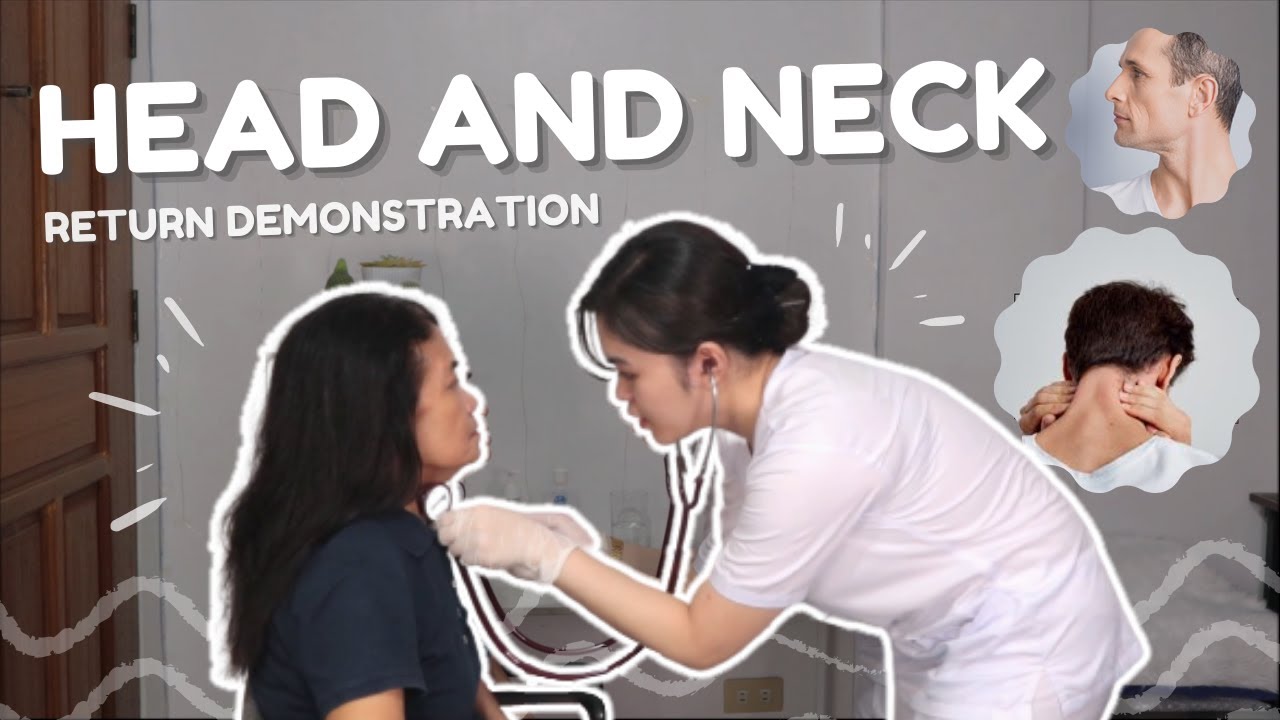
TLDRThis video demonstrates the physical examination of the head and neck. It starts with the clinician introducing herself, greeting the patient, and obtaining consent for the examination. The procedure involves visual inspection of the hair and scalp, checking for hair loss, dandruff, or lice. The clinician then inspects the eyes, looking for abnormalities such as jaundice or exophthalmos. Palpation is performed to check for hair loss or masses. The neck is examined for lymph node enlargement and thyroid abnormalities. Finally, the trachea is assessed for any deviations, and a bruit is checked if thyroid enlargement is present.
Takeaways
- 😀 Start by greeting the patient and asking for permission to perform the physical examination of the head and neck.
- 😀 The first step is inspection: check the scalp for hair color, distribution, bald spots, hair loss, and any scalp issues like dandruff or lice.
- 😀 Inspect the eyes for signs like icterus (yellowing) and check for any abnormal bulging (exophthalmos).
- 😀 Palpation of the scalp is done by gently combing through the hair to check for hair loss and scalp issues such as abscesses or tumors.
- 😀 For the neck, inspection includes asking the patient to tilt their head back to observe the trachea's position and check for any visible nodules or swelling.
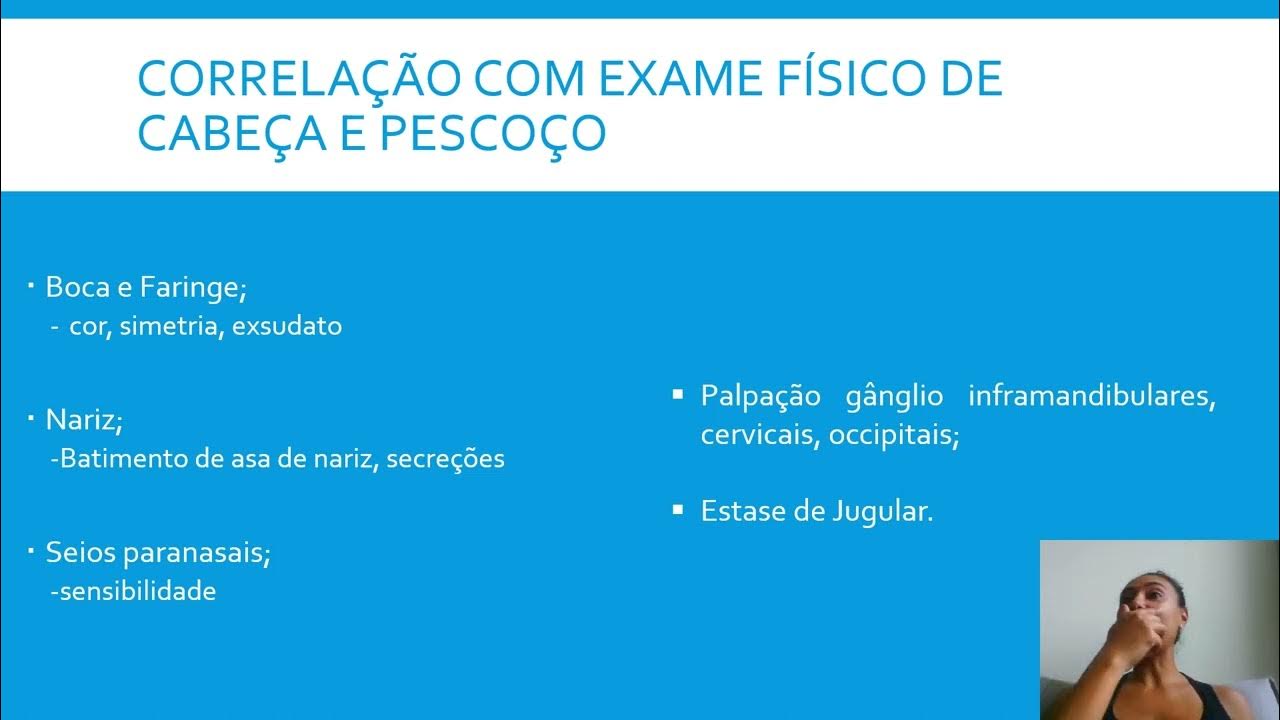
- 😀 Palpate the neck for enlarged lymph nodes along key areas such as submental, submandibular, preauricular, postauricular, cervical vertebrae, and supraclavicular regions.
- 😀 The thyroid examination involves palpating from behind the patient to check for any enlargement or lumps in the thyroid gland, particularly under the Adam's apple.
- 😀 The thyroid examination also includes palpating with one hand while the patient swallows to check if any swelling moves with swallowing, indicating thyroid enlargement.
- 😀 The trachea is examined by palpating the suprasternal region to check for any deviations in the trachea’s position.
- 😀 A bruit (sound similar to a heart murmur) is checked in case of thyroid enlargement to detect any abnormal vascular sounds.
Q & A
What is the first step in the head and neck examination?
-The first step is greeting the patient and asking for permission to conduct the physical examination of the head and neck.
What aspects of the patient's hair should be observed during the inspection?
-During the hair inspection, you should observe the hair color, distribution, presence of any hair loss or bald spots, dandruff, and check for any lice or other abnormalities.
What should be checked when examining the eyes of the patient?
-When examining the eyes, check for jaundice (yellowing of the eyes) and for any bulging or excessive protrusion of the eyeballs (exophthalmos).
How is hair loss detected during palpation of the scalp?
-Hair loss can be detected by gently combing through the hair. If hair strands come out easily, it could indicate shedding. Additionally, the scalp should be checked for any lumps, abscesses, or tumors.
What should be done to inspect the patient's neck?
-To inspect the neck, ask the patient to tilt their head slightly back. Look for any visible abnormality such as nodules, swelling, or asymmetry. Additionally, check the position of the trachea and for any signs of lymph node enlargement.
Where are the lymph nodes located, and how should they be palpated?
-Lymph nodes are located in several regions: submental, submandibular, preauricular, retroauricular, cervical, and supraclavicular areas. Palpation should be done by gently feeling along these areas, starting from the submental region and moving down to the supraclavicular region, checking for any enlargement or abnormal lumps.
What indicates an abnormal finding when palpating the lymph nodes?
-An abnormal finding is when lymph nodes are enlarged or palpable. This may suggest an infection, inflammation, or other medical conditions affecting the lymphatic system.
How should the thyroid gland be examined during the head and neck examination?
-The thyroid examination is commonly done from behind the patient. The examiner places hands on either side of the patient's neck, below the thyroid cartilage. The patient is asked to swallow while the examiner feels for any lumps or abnormal movements. If a lump moves with swallowing, it is likely part of the thyroid gland.
What is the significance of feeling the trachea during the examination?
-Palpating the trachea helps detect any deviation from its normal central position. If the trachea is deviated to one side, it can indicate underlying issues such as a mass or other structural abnormalities.
What should be done if thyroid enlargement is detected during palpation?
-If thyroid enlargement is detected, auscultation should be performed to check for a bruit, which is an abnormal sound suggesting increased blood flow, often seen in conditions like hyperthyroidism.
Outlines

Этот раздел доступен только подписчикам платных тарифов. Пожалуйста, перейдите на платный тариф для доступа.
Перейти на платный тарифMindmap

Этот раздел доступен только подписчикам платных тарифов. Пожалуйста, перейдите на платный тариф для доступа.
Перейти на платный тарифKeywords

Этот раздел доступен только подписчикам платных тарифов. Пожалуйста, перейдите на платный тариф для доступа.
Перейти на платный тарифHighlights

Этот раздел доступен только подписчикам платных тарифов. Пожалуйста, перейдите на платный тариф для доступа.
Перейти на платный тарифTranscripts

Этот раздел доступен только подписчикам платных тарифов. Пожалуйста, перейдите на платный тариф для доступа.
Перейти на платный тарифПосмотреть больше похожих видео




5.0 / 5 (0 votes)

