Sampling - Research Methods [A-Level Psychology]
Summary
TLDRThis video explores various sampling techniques in psychological research, including Random, Systematic, Stratified, Opportunity, and Volunteer sampling. It discusses the importance of representative samples for generalizing findings to the wider population and the potential biases associated with each method. The video also addresses WEIRD participant bias and its implications for the global applicability of psychological research.
Takeaways
- 🔍 The video discusses the importance of sampling in psychological research and the need to consider whether findings can be generalized to the wider population.
- 🎯 The target population is defined as every individual that forms part of the group being studied, and researchers aim to generalize results from samples back to this population.
- 📈 Five sampling techniques are introduced: Random, Systematic, Stratified, Opportunity, and Volunteer, each with its own strengths and weaknesses.
- 🎰 Random sampling ensures every member of the population has an equal chance of being selected, which helps to avoid researcher bias.
- 🔢 Systematic sampling involves selecting members at regular intervals from a list, which is quick but can still potentially lead to unrepresentative samples.
- 👥 Opportunity sampling is the most accessible method, using readily available participants, but it is prone to researcher bias and may not be representative.
- 🙋 Volunteer sampling, where participants self-select, can reach a large audience but suffers from volunteer bias, as it may not include a diverse range of individuals.
- 🏛 Stratified sampling is the most complex and aims to create a sample that mirrors the population's subgroups, which helps in generalizing findings accurately.
- 🌐 The concept of 'WEIRD' participants (Western, Educated, Industrial, Rich, and Democratic) is highlighted as a potential bias in psychological studies, questioning the global applicability of research findings.
- 👩🏫 Historical studies are criticized for often ignoring or underrepresenting women, leading to considerations of gender bias in psychological theories.
- 📚 The video concludes by promoting tutorial videos and resources for further study on research methods in psychology.
Q & A
What is the importance of sampling in psychological research?
-Sampling is crucial in psychological research because it allows researchers to study a subset of a larger population, which is often impractical to test in its entirety. The goal is to obtain a sample that is representative of the population to ensure that the findings can be generalized.
What are the five sampling techniques discussed in the video?
-The video discusses five sampling techniques: Random, Systematic, Stratified, Opportunity, and Volunteer sampling.
How does random sampling work and what are its strengths and weaknesses?
-Random sampling involves selecting participants from a population such that each member has an equal chance of being chosen. This method avoids researcher bias but can sometimes result in an unrepresentative sample, especially if the population is large.
What is systematic sampling and how does it differ from random sampling?
-Systematic sampling involves selecting members from a list at a regular interval, such as every 5th or 10th person. It is similar to random sampling but differs in the selection process, which is more structured. It also removes researcher bias but can be prone to the same issues of unrepresentativeness as random sampling.
Why is opportunity sampling a common method in psychological studies?
-Opportunity sampling is common because it is the easiest and fastest way to obtain a sample. Researchers simply include anyone they can easily access, often leading to studies being conducted on university students. However, it can introduce researcher bias and may not be representative of the wider population.
What is a volunteer sample and what are the potential biases associated with it?
-A volunteer sample, also known as a self-selecting sample, consists of individuals who choose to participate in a study. While it can reach a large number of participants, it introduces volunteer bias because those who volunteer may not represent the wider population, often being more motivated or having more time to participate.
How does stratified sampling aim to overcome the limitations of other sampling methods?
-Stratified sampling creates a sample that is representative of the population by first identifying subgroups (strata) and their proportion in the population. Participants are then randomly selected from each strata to ensure the sample mirrors the population's composition. This method reduces bias and increases the confidence in generalizing the findings.
What is the criticism of psychology studies regarding the term 'WEIRD' participants?
-The term 'WEIRD' refers to the fact that many psychology studies have been conducted on participants from Western, educated, industrial, rich, and democratic backgrounds. This leads to questions about the applicability and generalizability of psychological findings to diverse populations worldwide.
What is the role of generalization in psychological research?
-Generalization in psychological research refers to the ability to apply the findings from a sample back to the target population. It is a critical aspect of research as it allows researchers to make broader claims about the population based on the study's results.
How does the video script address the issue of gender bias in historical psychological studies?
-The script mentions that historical studies often ignored or underrepresented women, leading to potential gender bias in accepted psychological theories. This highlights the importance of considering diverse samples in research to avoid such biases.
Outlines

Этот раздел доступен только подписчикам платных тарифов. Пожалуйста, перейдите на платный тариф для доступа.
Перейти на платный тарифMindmap

Этот раздел доступен только подписчикам платных тарифов. Пожалуйста, перейдите на платный тариф для доступа.
Перейти на платный тарифKeywords

Этот раздел доступен только подписчикам платных тарифов. Пожалуйста, перейдите на платный тариф для доступа.
Перейти на платный тарифHighlights

Этот раздел доступен только подписчикам платных тарифов. Пожалуйста, перейдите на платный тариф для доступа.
Перейти на платный тарифTranscripts

Этот раздел доступен только подписчикам платных тарифов. Пожалуйста, перейдите на платный тариф для доступа.
Перейти на платный тарифПосмотреть больше похожих видео

KULIAH METODE PENELITIAN (5) - POPULASI DAN TEKNIK SAMPLING
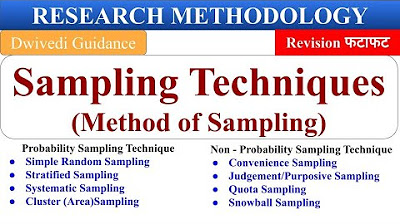
sampling techniques, types of sampling, probability & non probability sampling, Research methodology

Kuliah Statistika Industri | Teknik Sampling
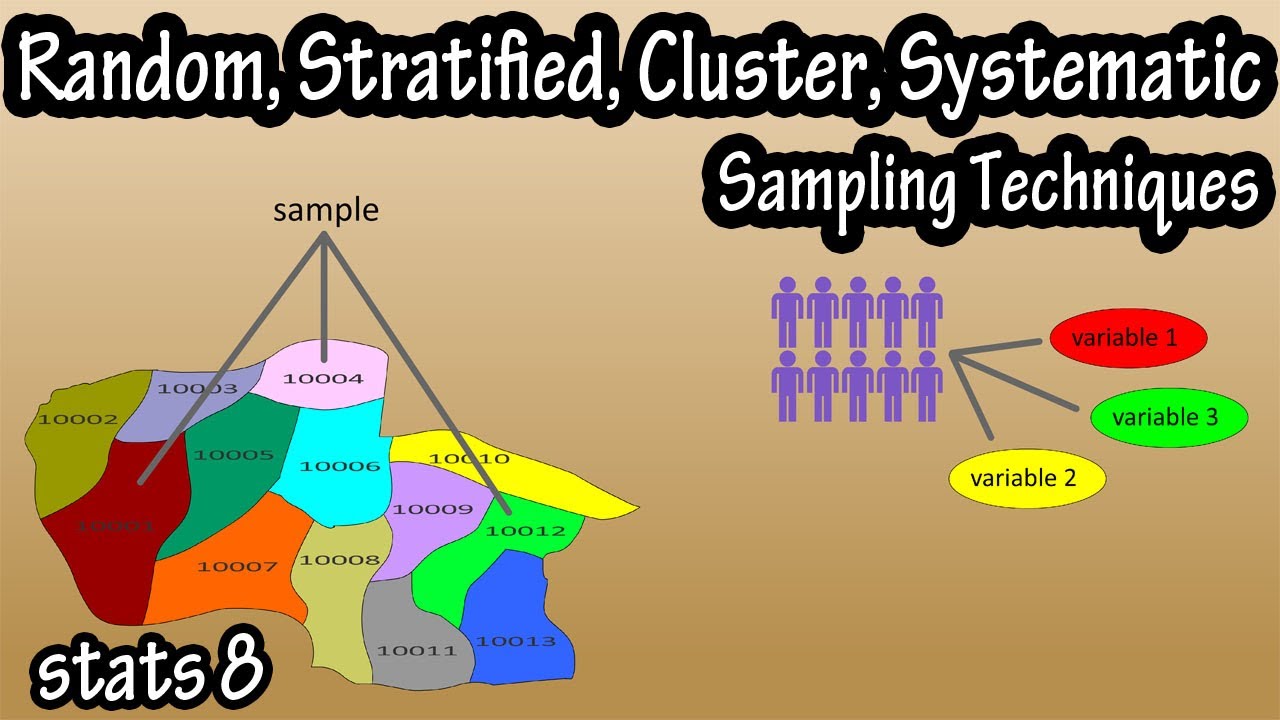
What Are The Types Of Sampling Techniques In Statistics - Random, Stratified, Cluster, Systematic

Sampling Techniques

[PART 2] TEKNIK SAMPLING PROBABILITAS
5.0 / 5 (0 votes)

