Pembuluh Darah Dan Jenisnya ( Perbedaan Pembuluh Nadi, Pembuluh Balik & Pembuluh Kapiler) Materi IPA
Summary
TLDRIn this educational science lesson from Kids Learning Indonesia, Siti Fatimah Agustini explains the human circulatory system with a focus on blood vessels. The video introduces the three main types of blood vessels: arteries, veins, and capillaries, describing their functions, characteristics, and differences. Viewers learn how arteries carry oxygen-rich blood away from the heart, veins return oxygen-poor blood back to the heart, and capillaries connect them while enabling the exchange of oxygen and carbon dioxide. The lesson also compares the structure, location, and behavior of arteries and veins, making the topic easy for students to understand through clear explanations and visual aids.
Takeaways
- 😀 The video is a science lesson about human blood vessels, presented by Siti Fatimah Agustini on Kids Learning Indonesia.
- 😀 Blood vessels are part of the circulatory system, which transports blood throughout the body and back to the heart.
- 😀 There are two main types of blood vessels: arteries (pembuluh nadi) and veins (pembuluh balik).
- 😀 Arteries carry blood away from the heart, usually rich in oxygen, except for pulmonary arteries.
- 😀 Veins carry blood toward the heart, usually low in oxygen, except for blood coming from the lungs.
- 😀 Capillaries are small vessels connecting arteries and veins, with thin walls that allow the exchange of oxygen and carbon dioxide with body cells.
- 😀 Key differences between arteries and veins include: arteries have thicker, elastic walls, carry oxygen-rich blood, pulse is felt, and are deeper in the body; veins have thinner walls, carry oxygen-poor blood, no pulse, and are closer to the surface with a bluish color.
- 😀 Blood flow characteristics: arterial blood flows rapidly if cut, while venous blood flows slowly.
- 😀 The lesson includes a visual table to help students understand the differences between arteries, veins, and capillaries.
- 😀 The video encourages students to share the knowledge, engage with the channel by liking, commenting, sharing, and subscribing, and to activate notifications for updates.
Q & A
What is the main topic of the video presented by Siti Fatimah Agustini?
-The main topic of the video is the human circulatory system, specifically focusing on the types of blood vessels: arteries, veins, and capillaries.
What are blood vessels and what is their role in the circulatory system?
-Blood vessels are parts of the circulatory system that transport blood throughout the body. They carry blood from the heart to the body and back to the heart.
How are blood vessels classified in the human body?
-Blood vessels are classified into two main types: arteries (also called 'pembuluh nadi') that carry blood away from the heart, and veins (also called 'pembuluh balik') that carry blood toward the heart. Capillaries connect arteries and veins.
What is the primary function of arteries?
-Arteries carry oxygen-rich blood away from the heart to the rest of the body, except for the pulmonary artery, which carries oxygen-poor blood to the lungs.
What is the primary function of veins?
-Veins carry blood back to the heart, usually containing oxygen-poor blood, except for the pulmonary vein, which carries oxygen-rich blood from the lungs to the heart.
What are capillaries and what is their significance?
-Capillaries are tiny, thin-walled blood vessels that connect arteries and veins. They allow the exchange of oxygen and carbon dioxide between blood and body cells.
List three differences between arteries and veins based on the video.
-1) Arteries carry oxygen-rich blood while veins carry oxygen-poor blood. 2) Arteries have thick, elastic walls; veins have thin, less elastic walls. 3) Arteries are located deeper in the body; veins are closer to the surface and appear bluish.
Why can the pulse be felt in arteries but not in veins?
-The pulse can be felt in arteries because they carry blood under higher pressure from the heart, causing rhythmic expansion and contraction. Veins carry blood under lower pressure, so the pulse is not noticeable.
What happens when arteries and veins are cut?
-When an artery is cut, the blood flows out rapidly due to high pressure. When a vein is cut, the blood flows slowly because the pressure in veins is lower.
How does the video suggest students reinforce their learning about blood vessels?
-The video suggests students pause the video and study a table that summarizes the differences between arteries, veins, and capillaries based on their characteristics.
Why are capillaries described as porous and thin-walled?
-Capillaries are thin-walled and porous to allow the efficient exchange of gases (oxygen and carbon dioxide), nutrients, and waste products between blood and surrounding body cells.
What are the learning objectives of this video?
-The learning objectives are: 1) to identify the types of blood vessels in the human circulatory system, and 2) to understand the differences between arteries, veins, and capillaries.
Outlines

このセクションは有料ユーザー限定です。 アクセスするには、アップグレードをお願いします。
今すぐアップグレードMindmap

このセクションは有料ユーザー限定です。 アクセスするには、アップグレードをお願いします。
今すぐアップグレードKeywords

このセクションは有料ユーザー限定です。 アクセスするには、アップグレードをお願いします。
今すぐアップグレードHighlights

このセクションは有料ユーザー限定です。 アクセスするには、アップグレードをお願いします。
今すぐアップグレードTranscripts

このセクションは有料ユーザー限定です。 アクセスするには、アップグレードをお願いします。
今すぐアップグレード関連動画をさらに表示
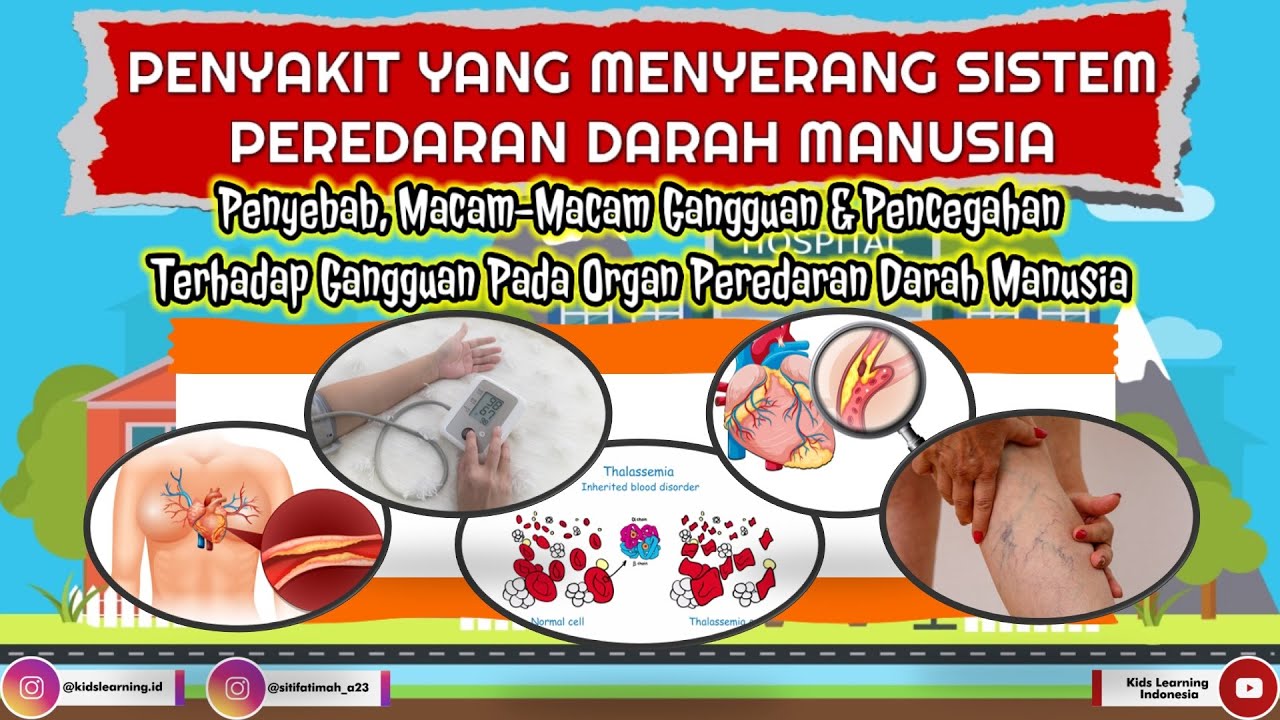
Gangguan Pada Sistem Peredaran Darah Manusia (Penyebab, Jenis Gangguan/Penyakit & Pencegahannya) IPA

INTERAKSI SOSIAL (Pengertian, Ciri-Ciri, Syarat & Jenis Interaksi, Contoh Interaksi Sosial) - IPS

BAB II |Struktur dan Fungsi Tubuh Makhluk Hidup|SISTEM PEREDARAN DARAH | KELAS 8| KURIKULUM MERDEKA

PANTUN (Pengertian, Ciri-Ciri, Jenis Pantun & Contohnya) | Materi Pelajaran Bahasa Indonesia

SISTEM PEREDARAN DARAH MANUSIA : Pembuluh Darah - Materi IPA SMP Kelas 8 | Part 2

BAB 2 Struktur dan Fungsi Tubuh Mahluk Hidup |Sistem Peredaran Darah – IPA Kelas 8 Kurikulum Merdeka
5.0 / 5 (0 votes)

