FRIDA KAHLO: Vida e Obra | Plein Air
Summary
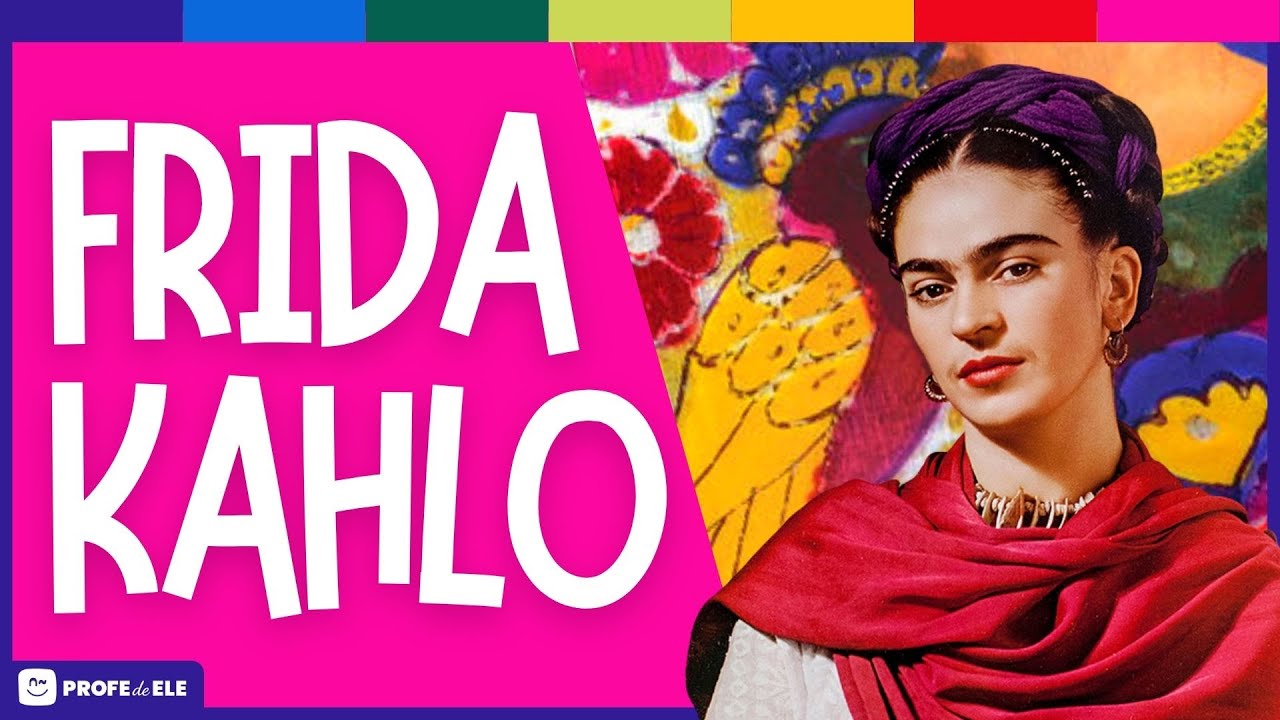
TLDRThis video explores the life and art of Frida Kahlo, tracing her journey from her early years in Mexico to her rise as an iconic painter. It covers her family background, struggles with polio and a severe bus accident that left her with lifelong health issues, and her evolving artistic career. The video highlights her relationship with Diego Rivera, her political involvement, and her deep connection to Mexican culture. It also addresses challenges in studying her life due to mythologizing and pop culture appropriation. Ultimately, it emphasizes how Frida transformed personal pain into creative expression, leaving a lasting legacy in both art and cultural history.
Takeaways
- 🎨 Frida Kahlo, born Magdalena Carmen Frida Kahlo y Calderón in 1907 in Mexico, was deeply influenced by her father, a photographer, which shaped her interest in self-portraiture.
- 🦵 At age six, Frida contracted polio, resulting in a leg shorter than the other, marking the start of lifelong physical challenges including a major bus accident in 1925.
- 🚑 The bus accident caused severe injuries to her spine, pelvis, foot, and reproductive system, leading to 35 surgeries and multiple miscarriages, significantly affecting her life and art.
- 📚 Initially aspiring to become a doctor, Frida only pursued painting seriously after her accident, using it both as a creative outlet and a way to cope with her suffering.
- 🇲🇽 Frida's art emphasized Mexican culture, inspired by nationalism, revolutionary ideas, and popular art, often reflecting her political beliefs as a member of the Communist Party.
- 💔 Her personal life was marked by a tumultuous relationship with Diego Rivera, including multiple separations, divorces, infidelities, and even relationships with women, some encouraged by Diego.
- 🖌️ Frida's artistic style evolved freely, experimenting with symbolism, surrealism, and popular culture influences, partly because she never attended a formal art academy.
- 🏥 Despite severe health deterioration from 1940 onwards, including a gangrenous foot, Frida continued painting and even taught art, adapting to her physical limitations.
- 🌎 Frida gained international recognition during her lifetime, particularly after exhibitions in the United States and Mexico, cementing her legacy as a major figure in modern art.
- 💡 Frida's work reflects a blend of personal pain, political context, and cultural identity, making her life and art inseparable; she transformed her suffering into creative expression.
- 📖 Historians caution that Frida's diaries and some attributed works may be self-romanticized or misattributed, highlighting the importance of critically examining sources when studying her life.
- 🏠 After her death in 1954, Frida's legacy was preserved through the Museo Frida Kahlo (Casa Azul), which showcases her life, art, and enduring cultural impact.
Q & A
What was Frida Kahlo's full birth name and background?
-Frida Kahlo's full birth name was Magdalena Carmen Frida Kahlo y Calderón. She was born in a working-class neighborhood in Mexico City in 1907. Her father, Guillermo Kahlo, was an Austro-Hungarian photographer, and her mother, Matilde Calderón, had indigenous Mexican ancestry and was a practicing Catholic.
What early health challenges did Frida face?
-Frida contracted polio at the age of six, which left her with a shorter right leg. Later, at age 18, she suffered a severe tram accident that caused multiple fractures to her spine, pelvis, ribs, and right leg, leaving her with lifelong health complications.
How did Frida Kahlo's interest in painting begin?
-Frida initially intended to become a doctor, but after her accident, she began painting while bedridden. Using paints and a special easel provided by her mother, she started experimenting with art, which became a major outlet for expressing her pain and personal experiences.
What role did Frida's father play in her artistic development?
-Guillermo Kahlo was a photographer and influenced Frida's artistic sensibility, especially regarding self-portraits. His work exposed her early to the visual arts, shaping her attention to detail and personal imagery.
How did the accident of 1925 impact Frida's life and art?
-The tram accident caused severe injuries, resulting in chronic pain, 35 surgeries, multiple miscarriages, and permanent inability to have children. These experiences deeply influenced her artwork, which often depicted her physical and emotional suffering.
What were the main themes in Frida Kahlo's paintings?
-Her paintings reflected her personal suffering, physical pain, miscarriages, and tumultuous relationships. Additionally, she highlighted Mexican culture, indigenous heritage, political ideals, and feminist themes.
How did Frida Kahlo's relationship with Diego Rivera influence her life?
-Frida married Diego Rivera, a famous Mexican muralist, and their relationship was marked by mutual infidelities, divorces, and reconciliations. Rivera influenced her political views and social engagement, and their turbulent marriage inspired much of her artwork.
What was Frida Kahlo’s connection to political and social movements?
-Frida was involved in the Communist Party and the Liga Juvenil Comunista. Her art reflected revolutionary ideals and Mexican nationalism, emphasizing indigenous culture and opposing European artistic norms.
How did Frida Kahlo become recognized internationally?
-Frida gained recognition through exhibitions in Mexico, the United States, and Paris. Despite her health challenges, she attended her 1953 exhibition in Mexico City while bedridden, solidifying her international reputation.
How did Frida Kahlo’s health issues affect her teaching and art later in life?
-As her health deteriorated in the 1940s and 1950s, she could only teach small groups of students from her home and painted less due to pain and mobility limitations. Her painting style also evolved, becoming looser and using thicker paint layers.
What is the legacy of Frida Kahlo?
-Frida Kahlo is remembered as a pioneering Mexican artist, feminist icon, and symbol of resilience. Her works express personal and political narratives, preserve Mexican culture, and inspire artists and social movements worldwide.
Why is it important to differentiate historical facts from popular myths about Frida Kahlo?
-Frida Kahlo has been widely appropriated as a pop cultural symbol, leading to misinformation. For example, some poems or audio recordings attributed to her are not authentic. Understanding her life accurately preserves her real experiences and contributions rather than a romanticized or idealized version.
Outlines

このセクションは有料ユーザー限定です。 アクセスするには、アップグレードをお願いします。
今すぐアップグレードMindmap

このセクションは有料ユーザー限定です。 アクセスするには、アップグレードをお願いします。
今すぐアップグレードKeywords

このセクションは有料ユーザー限定です。 アクセスするには、アップグレードをお願いします。
今すぐアップグレードHighlights

このセクションは有料ユーザー限定です。 アクセスするには、アップグレードをお願いします。
今すぐアップグレードTranscripts

このセクションは有料ユーザー限定です。 アクセスするには、アップグレードをお願いします。
今すぐアップグレード


5.0 / 5 (0 votes)

