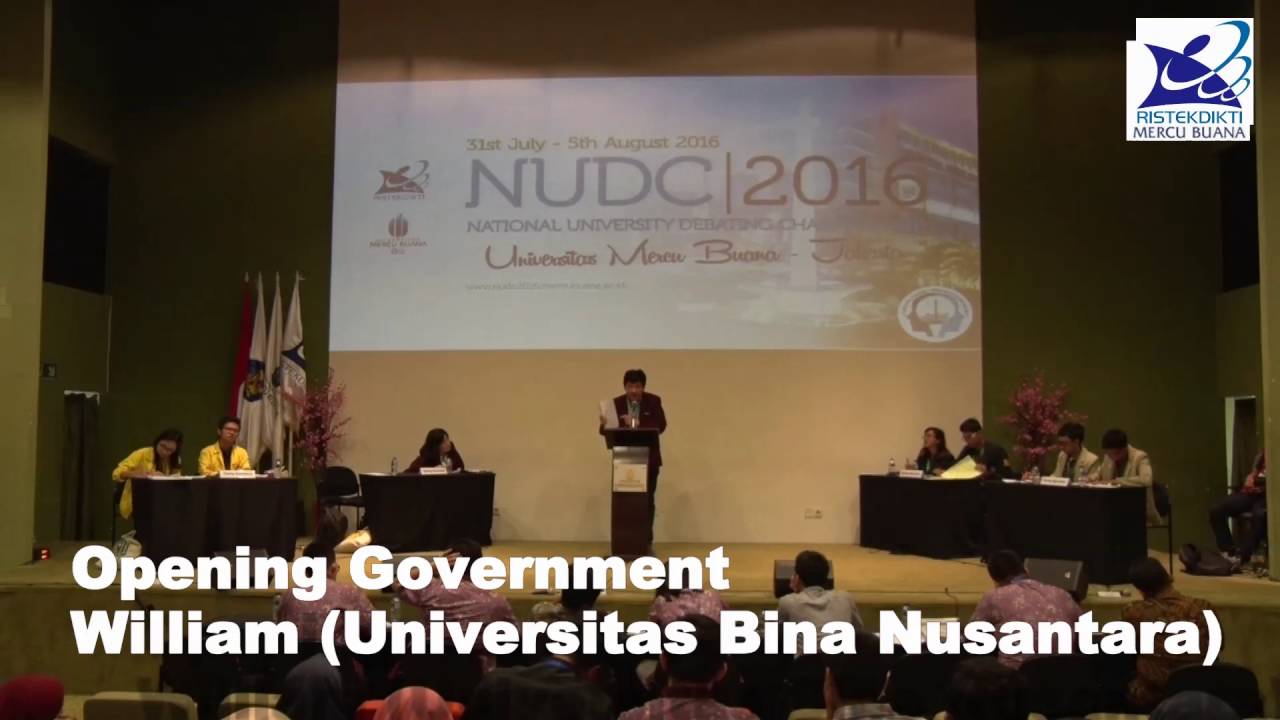
NUDC Final Round Part 2
Summary
TLDRThe transcript presents a detailed argument from a separatist movement in eastern Indonesia advocating for independence through non-violent means. The speaker emphasizes the importance of uniting internal support from local populations and building external political capital through constructive engagement with organizations and other actors. They argue that violent action would alienate supporters, justify aggression from the Indonesian government, and undermine credibility, whereas peaceful campaigning, societal education, and petitions for a referendum could demonstrate genuine local demand for independence. Ultimately, the approach prioritizes strategic, gradual change and internal cohesion over immediate conflict, highlighting a pragmatic path toward self-determination.
Takeaways
- 😀 The movement seeks independence for a region in eastern Indonesia, but aims to pursue it through non-violent and constructive means.
- 😀 Unification of separatist groups is intended to strengthen political capital and create opportunities for constructive engagement with Indonesia.
- 😀 Campaigns and societal education will be used to inform the population about the benefits of independence.
- 😀 Petitions and calls for a referendum are part of the strategy to demonstrate the genuine demand for independence.
- 😀 Maintaining internal support is crucial; violent actions could alienate both supporters and neutral populations.
- 😀 Some people within the region oppose separation due to perceived benefits of staying with Indonesia and would likely resist violent tactics.
- 😀 Even existing supporters may withdraw support if the movement resorts to violence, as they oppose oppression and coercion.
- 😀 External support from international organizations, such as MSG, is more likely to be secured through non-violent, constructive engagement.
- 😀 Engaging in full-scale violent revolution would result in loss of lives, infrastructure destruction, and increased justification for Indonesian crackdowns.
- 😀 Constructive, non-violent approaches are seen as more effective for building both internal and external legitimacy and eventual success in achieving independence.
Q & A
What is the primary goal of the separatist movement discussed in the transcript?
-The primary goal of the movement is to achieve independence from Indonesia, but through non-violent means and constructive engagement rather than armed conflict.
How does the movement plan to gain support within its own society?
-The movement aims to educate the local population about the benefits of independence and conduct campaigns and petitions to garner internal support for a potential referendum.
Why does the speaker argue against using violence to pursue independence?
-Violence could alienate both supporters and undecided locals, justify aggressive responses from the Indonesian government, and reduce the movement's credibility as a capable governing body.
What role does 'constructive engagement' play in the movement's strategy?
-Constructive engagement serves as a political capital to demonstrate to Indonesia and external actors that the movement is committed to independence without violence, strengthening legitimacy and potential support.
What are the risks of losing internal support within the separatist movement's region?
-Losing internal support could lead to dissent being exploited by Indonesia, weakening the movement’s claim to represent the population's interests and undermining the case for independence.
How does the movement intend to use external political support?
-By engaging constructively, the movement seeks recognition and backing from international actors, such as observer seats in regional organizations like MSG, enhancing their credibility on the global stage.
What is the movement’s view on being used as an 'icon' in Indonesia?
-While the movement acknowledges the possibility of being symbolically recognized within Indonesia, it emphasizes that such recognition should facilitate constructive engagement and not replace the pursuit of actual independence.
What does the transcript suggest about the expected challenges in achieving independence?
-Challenges include Indonesia's reluctance to cede resources, the slow progress of non-violent strategies, and the need to maintain internal and external support while demonstrating capable governance.
What types of internal dissent does the speaker identify?
-The speaker identifies two main groups: those opposed to separation because they see benefits in remaining with Indonesia, and those already supportive but who may withdraw support if violence is used.
How does the movement justify the cost-benefit of pursuing independence non-violently?
-Non-violent strategies minimize loss of life, prevent destruction of infrastructure, maintain internal and external support, and preserve legitimacy for a potential referendum, making it a more sustainable approach than armed conflict.
Why might a violent approach reduce the likelihood of achieving independence, according to the speaker?
-Violence could portray the movement as incapable of governing responsibly, justify further aggression by Indonesia, and ultimately harden Indonesia’s stance against granting independence.
Outlines

このセクションは有料ユーザー限定です。 アクセスするには、アップグレードをお願いします。
今すぐアップグレードMindmap

このセクションは有料ユーザー限定です。 アクセスするには、アップグレードをお願いします。
今すぐアップグレードKeywords

このセクションは有料ユーザー限定です。 アクセスするには、アップグレードをお願いします。
今すぐアップグレードHighlights

このセクションは有料ユーザー限定です。 アクセスするには、アップグレードをお願いします。
今すぐアップグレードTranscripts

このセクションは有料ユーザー限定です。 アクセスするには、アップグレードをお願いします。
今すぐアップグレード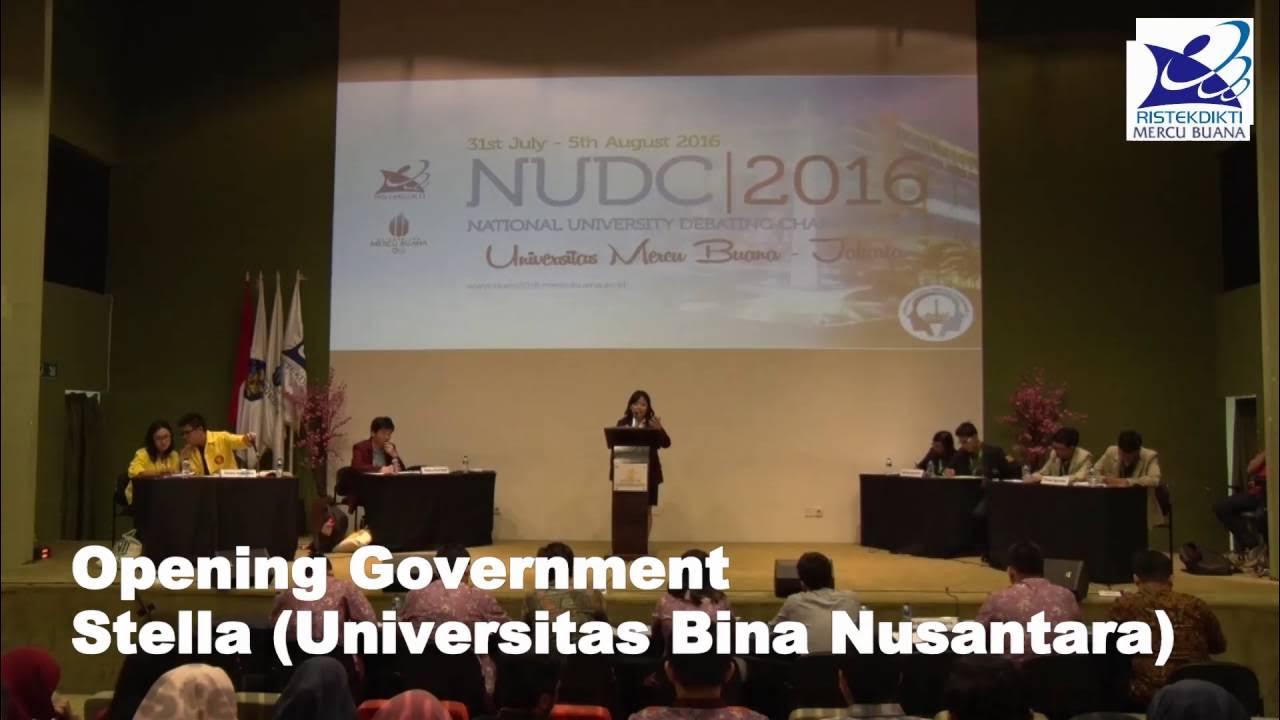




5.0 / 5 (0 votes)

