Kenapa ada Katolik, Protestan, dan Orthodox? Skisma besar Kekristenan.
Summary
TLDRThis video explores the complex history of Christianity, from its legalization under Constantine to the major theological debates that shaped its divisions. It covers the rise of Arianism, the Councils of Nicaea and Constantinople, the political and doctrinal tensions between the Eastern Orthodox and Roman Catholic Churches, and key events like the Great Schism of 1054, the Crusades, and the Protestant Reformation led by Martin Luther. The video also highlights the emergence of various denominations over time, emphasizing how differences in interpretation, politics, and culture contributed to the rich diversity of Christian traditions we see today.
Takeaways
- 📊 By 2025, there are approximately 2.65 billion Christians worldwide, with Catholics being the largest group (~1.27 billion).
- 🏛 Christianity became legalized in 313 CE through the Edict of Milan by Constantine the Great.
- ⚔ The early theological debate between Arius and Athanasius led to the Council of Nicaea in 325 CE, establishing that Jesus is fully God and fully human.
- 🌍 The relocation of the Roman capital to Constantinople in 330 CE created political tensions between Western and Eastern churches.
- ✝ Disputes over doctrine, practices, and authority (e.g., Filioque, use of icons, celibacy, bread type) fueled the growing divide between Western (Catholic) and Eastern (Orthodox) churches.
- 💥 The Great Schism of 1054 formally split the Eastern Orthodox Church and the Roman Catholic Church.
- 🛡 The Fourth Crusade (1204) resulted in the sacking of Constantinople, causing lasting damage to hopes of reunification between the two churches.
- 📜 The Protestant Reformation, initiated by Martin Luther in 1517, challenged church corruption, indulgences, and papal authority, leading to the formation of Protestant denominations.
- -
- ⚔️ The Thirty Years' War (1618–1648) devastated Europe and resulted in the Peace of Westphalia, establishing state sovereignty and religious pluralism.
- 🕊 Subsequent centuries saw the emergence of numerous Christian denominations (Baptist, Methodist, Adventist, Jehovah's Witnesses, Pentecostal) due to the principle of sola scriptura, allowing independent interpretation of the Bible.
- 💡 The video emphasizes the importance of being wise and thoughtful in religion, learning from history, and focusing on the positive aspects while avoiding misuse of faith.
Q & A
Why did Christianity experience a significant theological debate in the early 4th century?
-After Christianity was legalized in 313 AD by the Edict of Milan, debates emerged over the nature of Jesus Christ. Arius argued that Jesus was a created being and not fully God, while Athanasius insisted that Jesus was fully God and fully human. This debate caused a major theological conflict within early Christianity.
What was the significance of the Council of Nicaea in 325 AD?
-The Council of Nicaea was the first ecumenical council, convened by Emperor Constantine to resolve theological disputes and maintain political stability. It condemned Arianism as heretical and established the Nicene Creed, affirming that Jesus is of the same essence as God the Father.
How did the political shift from Rome to Constantinople affect the Christian Church?
-When Constantine moved the empire's capital to Constantinople in 330 AD, Rome lost its status as the center of power. This created tensions between the western and eastern churches, with Rome asserting independence and Constantinople claiming to be the new Rome, setting the stage for future divisions.
What was the primary theological dispute that led to the East-West Schism in 1054?
-The addition of the Latin term 'Filioque' to the Nicene Creed by the Western Church, asserting that the Holy Spirit proceeds from the Father and the Son, was rejected by the Eastern Church. Combined with disputes over papal authority and other doctrinal differences, this led to the formal separation of the Roman Catholic and Eastern Orthodox Churches.
How did the Crusades, particularly the Fourth Crusade, impact relations between Western and Eastern Christianity?
-During the Fourth Crusade (1202–1204), Crusaders diverted to Constantinople, looted the city, destroyed churches, stole relics, and committed atrocities against Orthodox Christians. This brutal event deepened the divide between the Roman Catholic and Eastern Orthodox Churches and made reconciliation nearly impossible.
What role did Martin Luther play in the Protestant Reformation?
-Martin Luther, in 1517, published his 95 Theses protesting against the sale of indulgences and abuses of church power. His actions sparked the Protestant Reformation, leading to the establishment of new Christian denominations separate from Roman Catholicism.
What was the impact of the Thirty Years’ War on Christianity in Europe?
-The Thirty Years’ War (1618–1648) devastated Europe, especially Germany, causing 8 million deaths and widespread social and economic disruption. It resulted from conflicts between Protestant and Catholic states, ultimately ending with the Peace of Westphalia, which affirmed state sovereignty over religious matters.
Why have there been so many Christian denominations over time?
-The principle of 'sola scriptura' from the Reformation allows individual groups to interpret the Bible independently. Combined with theological, cultural, and political differences, this led to the creation of thousands of denominations, with over 45,000 existing today.
How did church practices contribute to the East-West divide?
-Differences in liturgy and clerical rules deepened the divide: Western churches used unleavened bread for communion, enforced celibacy for priests, and spoke Latin, while Eastern churches used leavened bread, allowed priests to marry, and spoke Greek. These differences highlighted cultural and theological gaps between the two branches.
What lessons can be drawn from the historical divisions within Christianity?
-The history of Christian divisions shows how theology, politics, and cultural differences can create lasting splits. It emphasizes the importance of critical thinking, tolerance, and wisdom in religious practice to prevent exploitation and maintain unity where possible.
Who were some other important figures in the Protestant Reformation besides Martin Luther?
-Other key reformers included John Calvin, who developed a systematic theology influencing Reformed traditions, and Henry VIII, whose political break from Rome led to the Church of England. These figures expanded the scope and impact of the Reformation.
How did the concept of state sovereignty over religion evolve after the Reformation?
-The Peace of Westphalia in 1648 established that states could govern religious matters within their own territories without interference from external authorities like the Pope. This principle limited the political power of the Catholic Church and shaped modern notions of religious freedom and secular governance.
Outlines

このセクションは有料ユーザー限定です。 アクセスするには、アップグレードをお願いします。
今すぐアップグレードMindmap

このセクションは有料ユーザー限定です。 アクセスするには、アップグレードをお願いします。
今すぐアップグレードKeywords

このセクションは有料ユーザー限定です。 アクセスするには、アップグレードをお願いします。
今すぐアップグレードHighlights

このセクションは有料ユーザー限定です。 アクセスするには、アップグレードをお願いします。
今すぐアップグレードTranscripts

このセクションは有料ユーザー限定です。 アクセスするには、アップグレードをお願いします。
今すぐアップグレード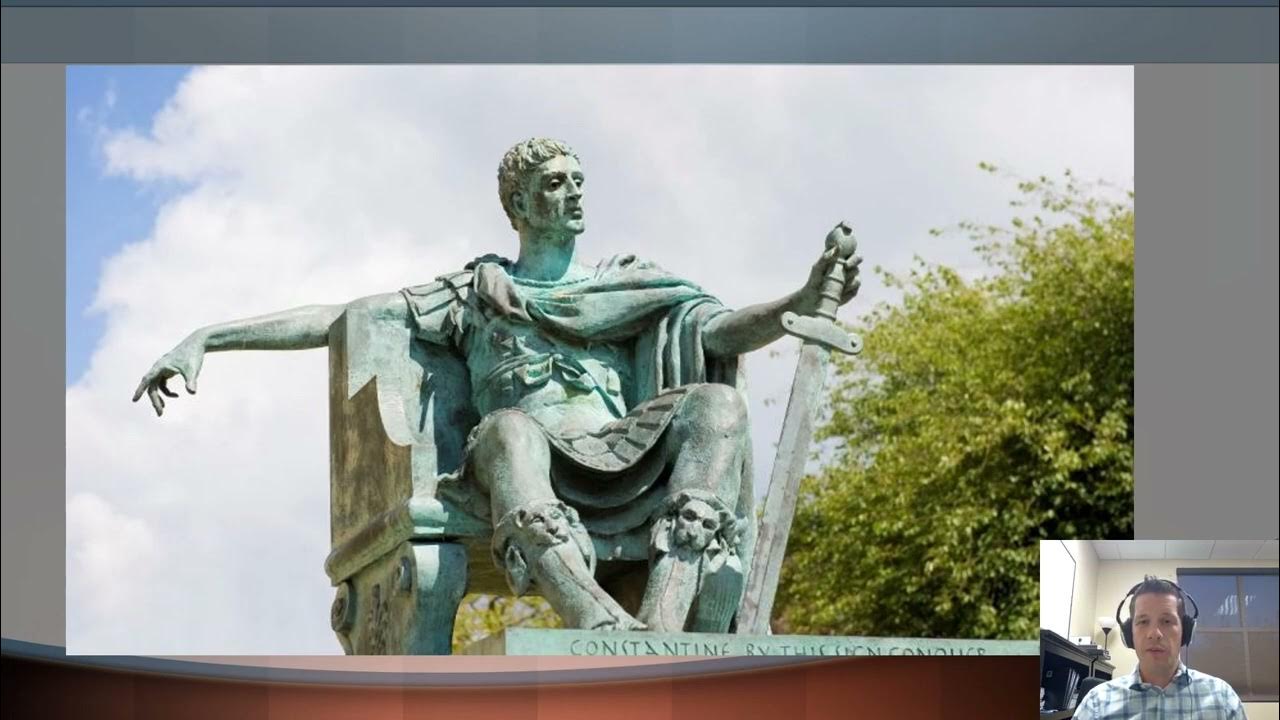


5.0 / 5 (0 votes)

