Dred Scott v. Sandford | The Civil War era (1844-1877) | US history | Khan Academy
Summary
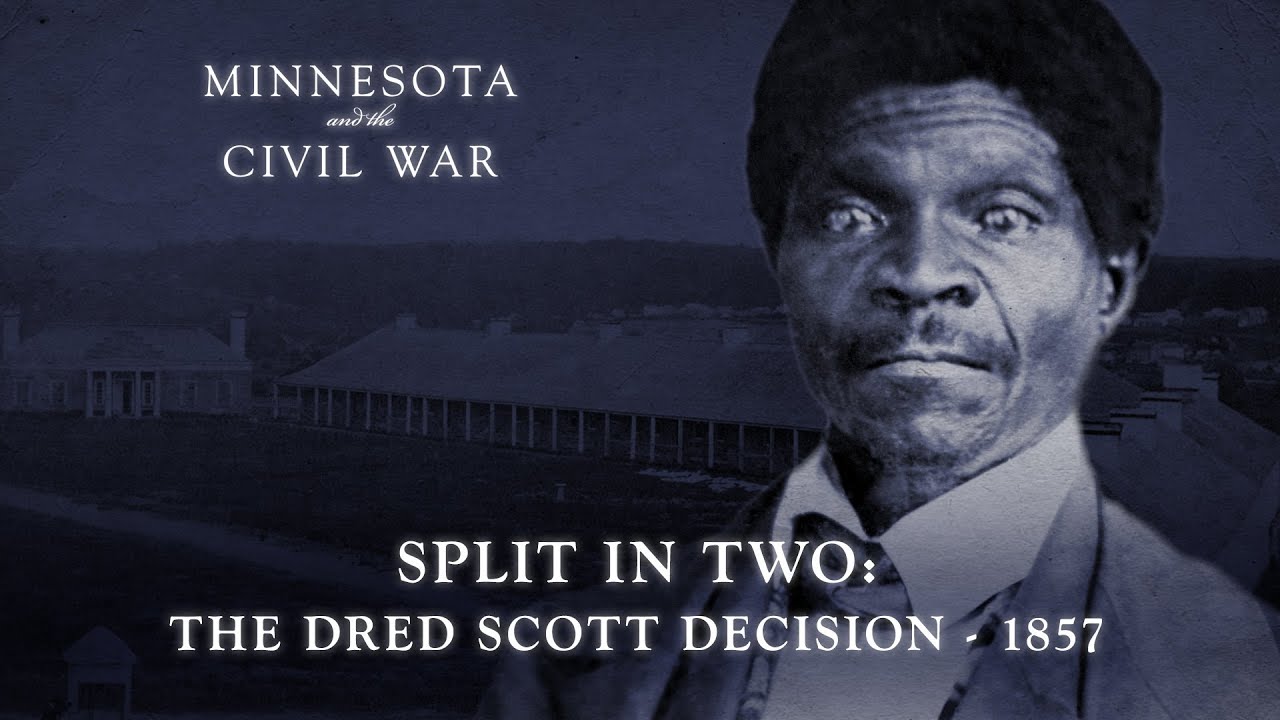
TLDRThe video explores the landmark 1857 Supreme Court case Dred Scott v. Sandford, which denied African-Americans U.S. citizenship and invalidated the Missouri Compromise, intensifying national tensions over slavery. Through expert insights, it traces Dred Scott’s life, his legal battle for freedom, and the complex political landscape of the 1850s. The ruling fueled Northern opposition, bolstered Southern pro-slavery advocates, and propelled Abraham Lincoln into the national spotlight. Although Dred Scott did not live to see emancipation, the case set the stage for the Civil War and the eventual passage of the 13th and 14th Amendments, reshaping citizenship and civil rights in America.
Takeaways
- 📜 The Dred Scott case (1857) inflamed sectional tensions over slavery and questioned African-American citizenship and rights.
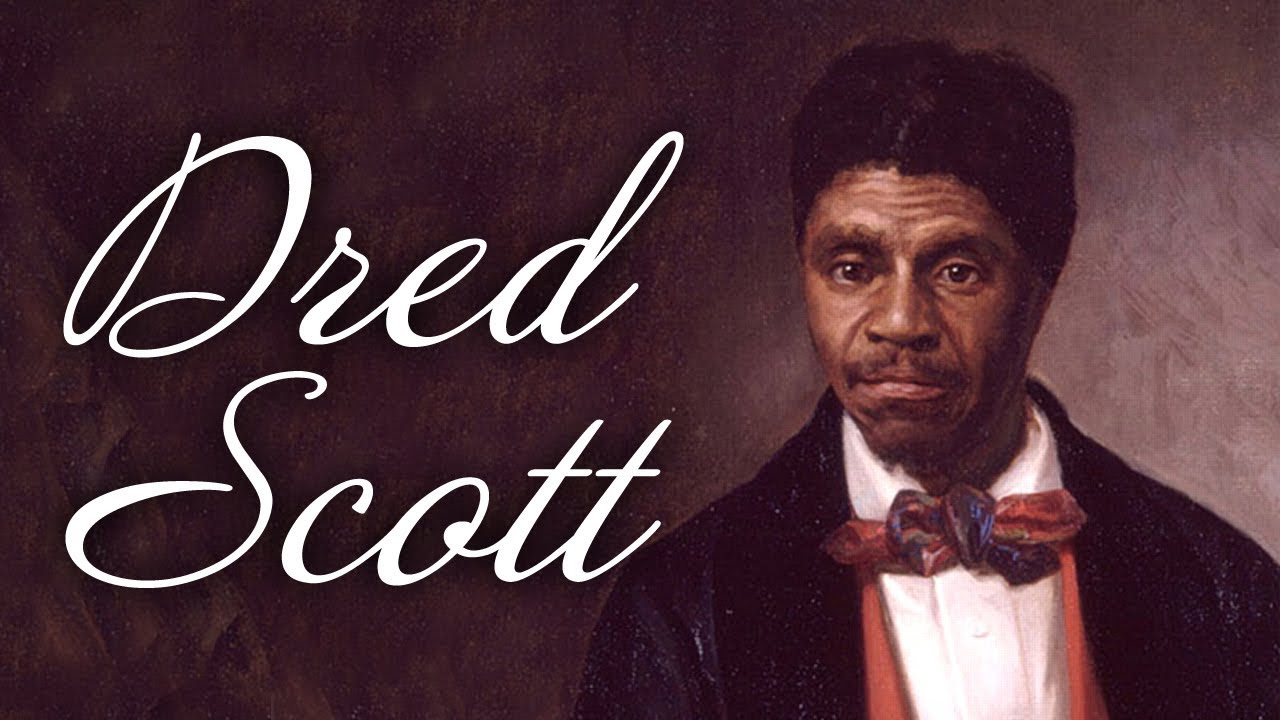
- 👨⚖️ Dred Scott was born a slave and brought a freedom suit against his owner, claiming he should be free due to time spent in free states.
- ⚖️ Freedom suits were common in border states like Missouri, with about 300 cases filed during that period.
- 🏛️ The Missouri Compromise (1820) banned slavery north of Missouri's southern border, but the Kansas-Nebraska Act (1854) challenged that ban, escalating tensions.
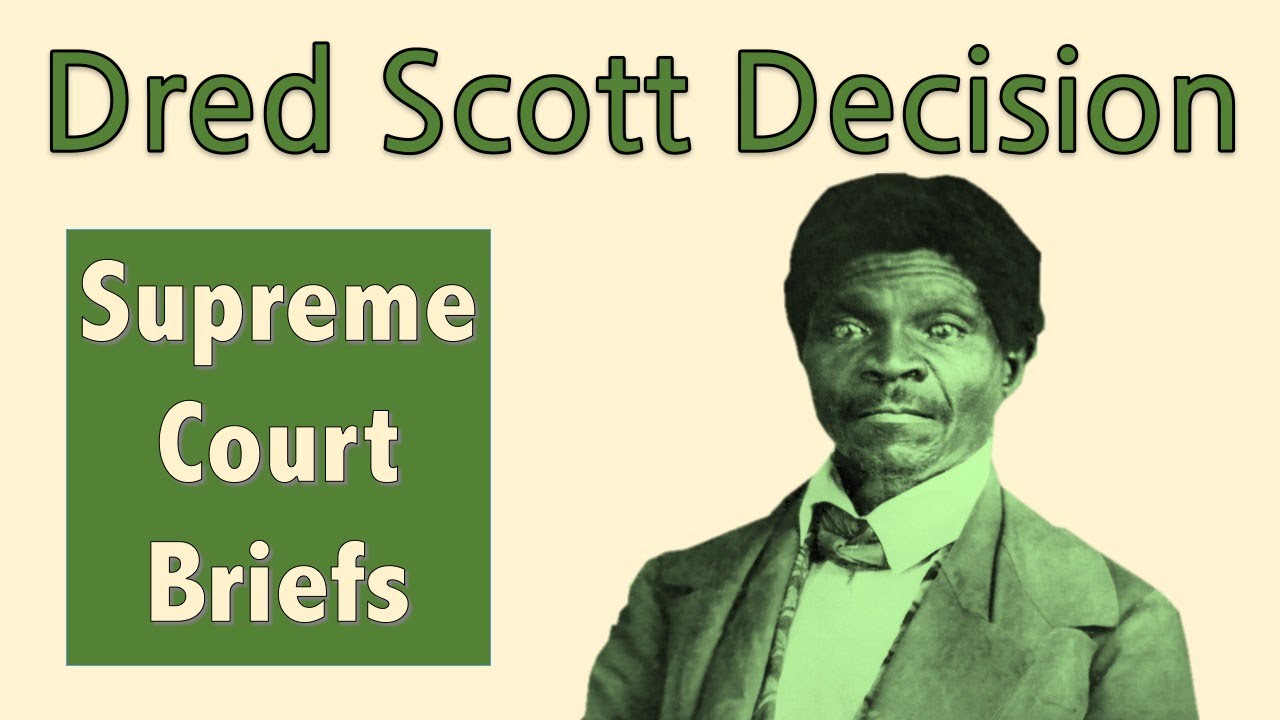
- 👨⚖️ The Supreme Court, led by Chief Justice Roger Taney, ruled 7-2 that Dred Scott was not a U.S. citizen and could not sue in federal court.
- 📚 Taney also invalidated the Missouri Compromise and argued that African-Americans were excluded from U.S. citizenship, using historical claims that ignored evidence of free Black citizens.
- ⚡ The Dred Scott decision divided the nation: Southern slaveholders supported it, while Northern abolitionists and anti-slavery politicians opposed it, fueling political tensions.
- 🌟 Abraham Lincoln publicly denounced the ruling, which helped him rise politically, eventually leading to his election in 1860.
- 🪖 The Dred Scott decision contributed to the secession of Southern states and the outbreak of the Civil War in 1861.
- 📝 The 13th and 14th Amendments after the Civil War abolished slavery and granted citizenship and rights to formerly enslaved people, directly countering the Supreme Court's ruling.
- 💔 Dred Scott did not live to see the end of slavery, but his wife Harriet witnessed the passage of civil rights protections and the end of slavery, highlighting the human impact of the struggle.
Q & A
Who was Dred Scott and why did he bring a lawsuit?
-Dred Scott was an enslaved African-American born around 1800, initially owned by Peter and Elizabeth Blow. He filed a lawsuit seeking freedom for himself and his family after being taken to free territories by his later owner, Dr. Emerson, arguing that residing in free areas entitled him to emancipation under the Extra-territorial Emancipation Doctrine.
What was the Extra-territorial Emancipation Doctrine?
-The Extra-territorial Emancipation Doctrine held that a slave became free upon entering a free state or free territory. This principle was central to Scott's freedom suit, as he had lived in Illinois, a free state.
How did the Missouri Compromise relate to the Dred Scott case?
-The Missouri Compromise of 1820 prohibited slavery in U.S. territories north of Missouri's southern border. Dred Scott's case challenged this, and the Supreme Court ultimately ruled the Missouri Compromise unconstitutional, claiming Congress had no authority to restrict slavery in the territories.
What was the Supreme Court's ruling in Dred Scott v. Sandford?
-The Supreme Court ruled 7–2 against Dred Scott, stating that African-Americans could not be U.S. citizens and therefore could not sue in federal court. The Court also invalidated the Missouri Compromise, allowing slavery in western territories.
What were Chief Justice Roger Taney's main arguments in the decision?
-Taney argued that only the federal government could define U.S. citizenship, and that African-Americans were excluded from it. He also claimed that historical understanding of the Constitution did not consider African-Americans part of 'the people,' framing slavery as acceptable and denying African-Americans legal rights.
How did the public react to the Dred Scott decision?
-Reaction was divided: Southern white citizens celebrated it as validation of slaveholder rights, while Northerners, abolitionists, and figures like Frederick Douglass and Abraham Lincoln criticized it as an unjust, politically biased ruling.
How did the Dred Scott decision contribute to the Civil War?
-By ruling that African-Americans had no rights and that slavery could expand into western territories, the case heightened sectional tensions. Northern opposition to the ruling helped Abraham Lincoln rise politically, while Southern fears of restrictions on slavery contributed to secession, directly leading to the Civil War.
What impact did the Civil War and subsequent amendments have on the Dred Scott ruling?
-The 13th Amendment abolished slavery, and the 14th Amendment overturned Dred Scott's denial of citizenship by granting citizenship and federally protected rights to all born in the U.S., including formerly enslaved people.
Did Dred Scott live to see the abolition of slavery?
-No, Dred Scott died in 1858, one year after the Supreme Court decision. His wife, Harriet Scott, lived until 1876 and witnessed the end of slavery and the passage of the 14th Amendment.
What broader lessons about citizenship and civil rights can be drawn from the Dred Scott case?
-The Dred Scott case highlighted the struggle for equal dignity and recognition of African-Americans as citizens. It illustrates how legal decisions can perpetuate injustice, influence political movements, and shape national debates on human rights and citizenship.
How did Dred Scott's legal fight reflect the social and political climate of the 1850s?
-Scott’s lawsuit occurred during heightened national debates over slavery's expansion. The 1850s saw tensions over the Fugitive Slave Act, Kansas-Nebraska Act, and the notion of 'slave power,' reflecting deep North-South divisions and influencing the rise of the Republican Party.
Who helped Dred Scott with his freedom suit, and why was this significant?
-Dred Scott was assisted by the sons of his original owners, the Blows, who funded his legal battle. This shows that freedom suits, especially in border states like Missouri, were not uncommon and had social support from some white allies, highlighting the complex legal and personal networks surrounding slavery.
Outlines

このセクションは有料ユーザー限定です。 アクセスするには、アップグレードをお願いします。
今すぐアップグレードMindmap

このセクションは有料ユーザー限定です。 アクセスするには、アップグレードをお願いします。
今すぐアップグレードKeywords

このセクションは有料ユーザー限定です。 アクセスするには、アップグレードをお願いします。
今すぐアップグレードHighlights

このセクションは有料ユーザー限定です。 アクセスするには、アップグレードをお願いします。
今すぐアップグレードTranscripts

このセクションは有料ユーザー限定です。 アクセスするには、アップグレードをお願いします。
今すぐアップグレード

5.0 / 5 (0 votes)

