The First (and Last) Time I'll EVER Talk About This...
Summary
TLDRIn this video, the creator opens up about living with severe ADHD and shares five practical strategies that have transformed their productivity. Moving beyond traditional time management, they focus on managing energy, walking to clear and focus the mind, breaking tasks into clear step-by-step ladders, prioritizing three achievable tasks daily, and using a five-year diary to track progress and reflect. These systems, built around self-awareness and incentives, help overcome ADHD challenges like follow-through and overwhelm, emphasizing that while the brain may not change, the structures we create around it can lead to consistent results and lasting personal growth.
Takeaways
- 🧠 ADHD is not a time management problem, but an energy management problem—focus fluctuates naturally throughout the day.
- ⏰ Align tasks with your brain's energy cycles: creative work during high-energy periods, routine work during low-energy periods.
- 🚶♂️ Walking, even for just a few minutes indoors, can reset focus, clear thoughts, and trigger productive work sprints.
- 🪜 Break overwhelming projects into tiny, sequential steps using a 'ladder' approach to make tasks manageable.
- 📋 Start each project with an extremely low-stakes first step to build momentum and reduce resistance to starting.
- ✅ Limit daily tasks to three essential items—the 'big daily three'—to build motivation and ensure consistent progress.
- 📓 Keep a five-year diary: write five lines daily to reflect on progress and the long-term impact of your daily actions.
- 🎯 Understand and leverage incentives—your brain responds when the results directly affect your outcomes, not just effort.
- -
- ⚡ Systems matter more than willpower: structuring your environment and tasks can overcome ADHD-related follow-through challenges.
- 💡 Self-awareness and observation are critical: track when your brain works best and design your day around those insights.
- 🔁 Momentum matters: completing small, clear tasks often leads to doing much more without forcing productivity.
Q & A
What is the main challenge the speaker faces due to ADHD in professional settings?
-The speaker struggles with consistently producing results, which is the primary metric people care about in professional environments. ADHD makes follow-through and sustained focus difficult, leading to challenges in completing tasks.
Why does the speaker prefer managing energy over managing time?
-ADHD affects the speaker's energy levels more than time perception. Some hours are highly productive, while others are low-energy. Scheduling tasks according to energy peaks and troughs allows better use of natural cognitive rhythms.
What types of tasks does the speaker schedule during high-energy periods?
-During high-energy periods, the speaker focuses on creative tasks such as writing client proposals, sales strategy, and design work, which require cognitive flexibility and deep thinking.
How does the speaker handle tasks that require follow-through but low creativity?
-The speaker assigns low-energy, rule-based tasks like bookkeeping, machining, and video editing during periods when creativity wanes. These tasks have clear instructions, making them easier to complete despite ADHD challenges.
What is the purpose of 'drawing the ladder' as a strategy?
-'Drawing the ladder' breaks a large or overwhelming task into smaller, sequential steps. This creates clarity and reduces avoidance by making the first step extremely low-stakes and manageable, helping ADHD brains initiate and sustain progress.
Why does the speaker recommend walking as a productivity tool?
-Walking helps organize thoughts and increases focus. Short walks, even just 3–5 minutes indoors, serve as a low-barrier method to reset the brain, allowing for a productive work sprint afterward.
What is the 'big daily three' and how does it support productivity?
-The 'big daily three' involves writing down three essential tasks for the next day, no matter how small. This reduces decision fatigue, ensures small wins, and builds momentum, making it easier to accomplish more tasks.
How does the 'five-year diary' strategy influence decision-making?
-The five-year diary encourages daily reflection with five lines about the day. By asking whether a repeated day leads to a desirable life outcome, it fosters awareness of long-term consequences, motivating better daily choices.
How does understanding incentives improve ADHD productivity?
-The speaker notes that ADHD brains respond strongly to clear incentives. When results directly impact survival or personal gain, like in entrepreneurship, motivation and focus increase dramatically compared to working solely for external structures like a paycheck.
Does the speaker believe ADHD brains can fundamentally change?
-No, the speaker acknowledges that ADHD brains retain bursts of passion and struggle with follow-through. Change occurs in the systems and strategies built around the brain, not in the brain itself.
What is the underlying lesson about scheduling and productivity for ADHD brains?
-The lesson is that schedules should align with natural energy rhythms and task types, not rigid hourly planning. Self-awareness and observation help identify optimal times for different tasks, maximizing productivity despite ADHD challenges.
Why might ADHD individuals fear completing tasks, according to the speaker?
-Completion often signals the need to start a new project from scratch. ADHD individuals, who struggle with follow-through, may find comfort in staying within ongoing projects rather than facing the uncertainty and effort of new tasks.
Outlines

このセクションは有料ユーザー限定です。 アクセスするには、アップグレードをお願いします。
今すぐアップグレードMindmap

このセクションは有料ユーザー限定です。 アクセスするには、アップグレードをお願いします。
今すぐアップグレードKeywords

このセクションは有料ユーザー限定です。 アクセスするには、アップグレードをお願いします。
今すぐアップグレードHighlights

このセクションは有料ユーザー限定です。 アクセスするには、アップグレードをお願いします。
今すぐアップグレードTranscripts

このセクションは有料ユーザー限定です。 アクセスするには、アップグレードをお願いします。
今すぐアップグレード関連動画をさらに表示

Things i love about being AuDHD (Autistic with ADHD)

ADHD: How To Actually Finish What You Start (3 Easy Steps)
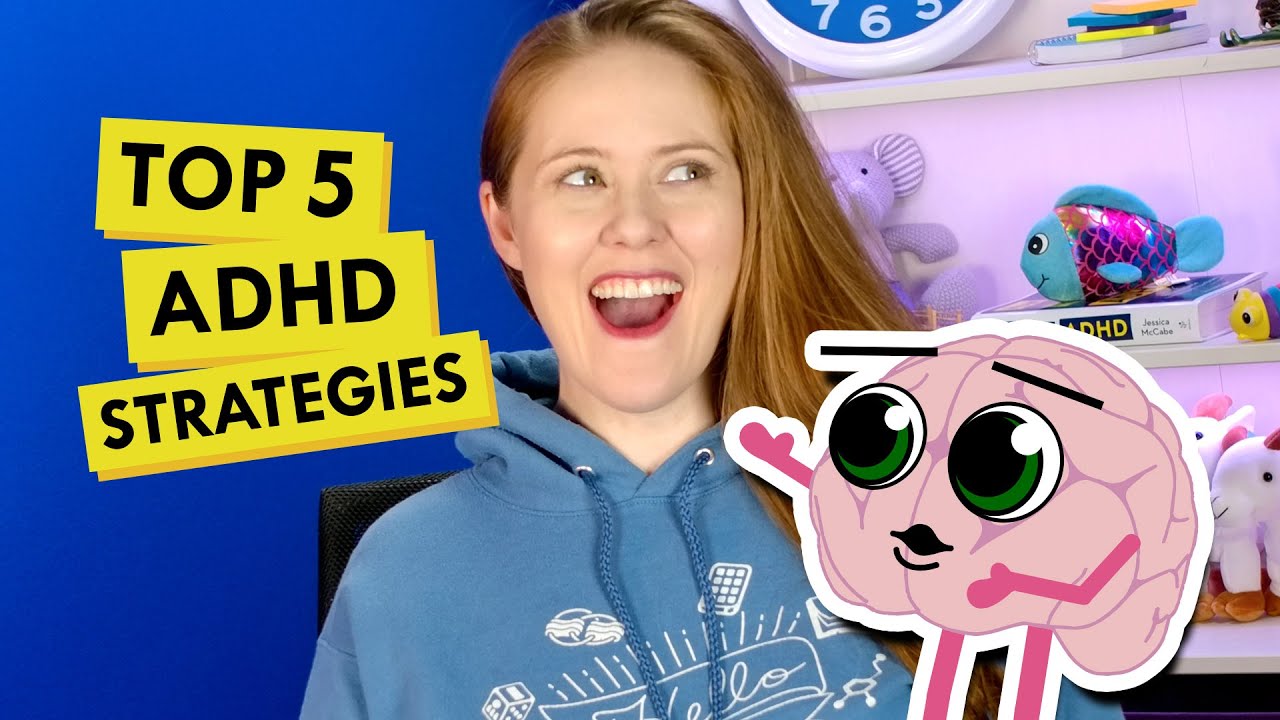
My Top 5 Favorite ADHD Strategies — and our FREE ADHD Toolbox 🧠 🧰 Notion Template!

How I manage my time with business & family - My daily routine for productivity (2024)

Stop Playing ADHD on Hard Mode

I have Autism
5.0 / 5 (0 votes)

