A 10 Bagger Like This May Never Happen Again
Summary
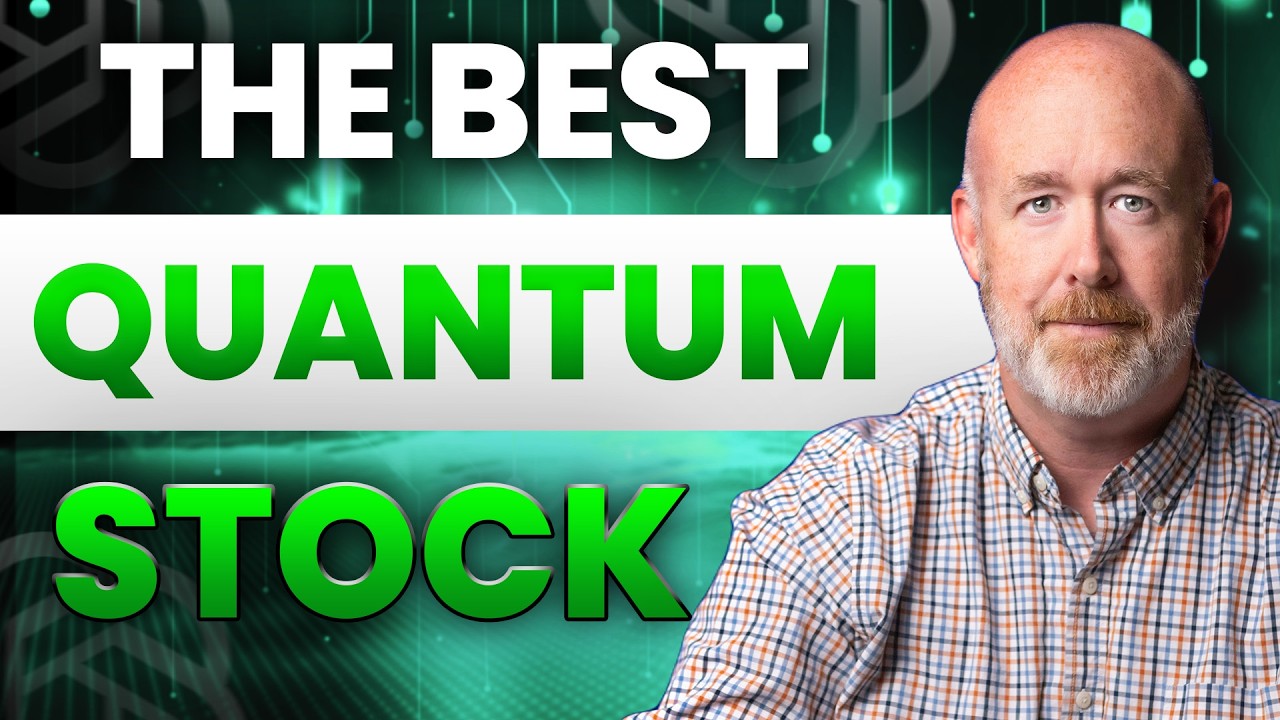
TLDRThis video explores the rapidly evolving quantum computing market, highlighting the major publicly traded companies and emerging entrants across four architectures: superconducting, trapped ion, neutral atom, and photonic. It emphasizes the importance of preparation and research, using the 'woodshed signal' and the 37% rule to guide investment decisions. Key players like D-Wave, IonQ, Rigetti, Xanadu, and Inflection are analyzed for revenue, growth, and technological potential, alongside microcap quantum security firms and upcoming IPOs. The creator outlines a strategic allocation framework for quantum investments, balancing infrastructure, pure plays, and speculative early-stage companies, providing viewers a structured, informed approach to this high-risk, high-reward sector.
Takeaways
- 😀 D-Wave Quantum's stock, bought under $1 in 2023, would now be worth over $224,000, highlighting the importance of early investment in emerging tech.
- 😀 The concept of a 'woodshed signal' emphasizes the value of long-term preparation and careful observation in making investment decisions, rather than just riding a market trend.
- 😀 The quantum computing space has grown from four publicly traded quantum pure plays in 2023 to seven in 2026, with three more companies in the IPO pipeline.
- 😀 There are four major quantum computing architectures: superconducting, trapped ion, neutral atom, and photonic, each offering distinct technological advantages and opportunities.
- 😀 D-Wave Quantum has expanded from using superconducting annealing to also include gate-model quantum computing, increasing its potential for growth.
- 😀 IonQ, a leader in trapped ion quantum computing, saw its revenue triple year-over-year, and acquired SkyWater Technology to handle its own manufacturing in-house.
- 😀 Inflection, a newcomer using neutral atom technology, has gained notable institutional backing, including from Nvidia, and already has deployed hardware for quantum sensing on the ISS.
- 😀 Xanadu is developing photonic quantum computing and has built the widely used PennyLane software, which is a key asset for quantum developers across various architectures.
- 😀 Quantum security companies like CLSQ and Arqit are focusing on protecting systems from future quantum computing threats, offering early-stage but high-risk investment opportunities.
- 😀 Investors should take a measured approach, with suggested allocation: 50% in infrastructure stocks, 35% in quantum pure plays, and 15% in early-stage companies with breakthrough potential.
- 😀 The biggest risk in quantum investing is the constant burning of cash by early-stage companies, with potential dilution of shareholder value as they issue more shares to stay alive.
Q & A
What is the 'woodshed signal' mentioned in the script?
-The 'woodshed signal' refers to evidence of preparation and early insight that cannot be faked. It highlights making informed decisions before a trend becomes obvious, as opposed to reacting after widespread attention.
Why does the speaker emphasize the 37% rule in investing?
-The 37% rule suggests that investors should spend the initial portion of their decision-making time observing and learning to establish a baseline. Only after identifying something that clearly outperforms should they take action.
What are the four main quantum computing architectures discussed?
-The four architectures are superconducting (including annealing and gate-model), trapped ion, neutral atom, and photonic systems.
Why is the expansion of publicly traded quantum companies significant?
-It allows investors to diversify across multiple technological approaches rather than betting on a single architecture, reducing risk and increasing exposure to potential winners.
What differentiates D-Wave from other quantum companies?
-D-Wave focuses on annealing technology used for optimization problems that are already commercially viable, and it has recently expanded into gate-model systems, adding a second architecture.
What is IonQ’s competitive advantage in the quantum space?
-IonQ uses trapped ion technology, known for high precision, and is expanding vertically through a semiconductor acquisition, potentially giving it control over manufacturing and an advantage in defense contracts.
Why is Quantum Computing Inc. considered high risk?
-It has very low revenue, ongoing financial concerns, and faces allegations of overstating partnerships and revenue, along with legal challenges.
What makes Inflection an interesting new entrant?
-Inflection uses neutral atom technology, has strong backing from Nvidia, and already generates revenue from both quantum computing and sensing, including deployed systems in space.
How does Xanadu stand out among quantum companies?
-Xanadu combines photonic hardware with a widely adopted open-source software platform, PennyLane, which works across different quantum architectures and has strong developer adoption.
What role do infrastructure companies play in quantum investing?
-Infrastructure companies like cloud providers and chipmakers act as 'toll collectors' by supporting multiple quantum systems, allowing them to benefit regardless of which architecture succeeds.
What psychological shift in investor sentiment is highlighted?
-The shift moves from fear that quantum technology may not work to fear of missing out if it does succeed, which can lead to emotional and poorly timed investment decisions.
Why is share dilution an important consideration in quantum investing?
-Many quantum companies are early-stage and burn cash, issuing new shares to fund operations, which can reduce the value of existing investors’ ownership over time.
What portfolio allocation strategy does the speaker suggest?
-The speaker suggests allocating 50% to infrastructure companies, 35% to quantum pure-play companies, and 15% to high-risk early-stage or speculative names.
What are 'penny dreamers' in the context of this script?
-They are highly speculative, early-stage quantum companies with low market value, where a breakthrough could generate large returns but also carries a high risk of total loss.
Why might ETFs be a suitable option for some investors in this space?
-ETFs provide diversified exposure to multiple quantum-related companies, reducing the risk associated with picking individual winners in a highly uncertain and evolving industry.
Outlines

このセクションは有料ユーザー限定です。 アクセスするには、アップグレードをお願いします。
今すぐアップグレードMindmap

このセクションは有料ユーザー限定です。 アクセスするには、アップグレードをお願いします。
今すぐアップグレードKeywords

このセクションは有料ユーザー限定です。 アクセスするには、アップグレードをお願いします。
今すぐアップグレードHighlights

このセクションは有料ユーザー限定です。 アクセスするには、アップグレードをお願いします。
今すぐアップグレードTranscripts

このセクションは有料ユーザー限定です。 アクセスするには、アップグレードをお願いします。
今すぐアップグレード


5.0 / 5 (0 votes)

