Pharmacology – ANTIFUNGAL DRUGS (MADE EASY)
Summary
TLDRThis lecture covers the pharmacology of antifungal drugs, highlighting the unique structural features of fungal cells, such as ergosterol in the plasma membrane and the fungal cell wall composed of mannoproteins and polysaccharides. It discusses key antifungal drugs like Amphotericin B, Nystatin, allylamines, azoles, and echinocandins, detailing their mechanisms of action, targeting fungal-specific components like ergosterol and β-glucans. The video also touches on the potential adverse effects of these drugs, including nephrotoxicity and drug interactions, and introduces other antifungals like Griseofulvin and Flucytosine, which disrupt cell division. The lecture concludes with a brief look at their clinical applications.
Takeaways
- 🧬 Fungal and human cells are similar, making selective antifungal drug design challenging.
- 🧱 Fungi have unique structures like a cell wall and ergosterol-containing membrane, which serve as key drug targets.
- 🛡️ The fungal cell wall is composed of glucans, chitin, and mannoproteins, providing structural support and protection.
- 🧪 Ergosterol is essential for fungal membrane integrity and is a primary target for many antifungal drugs.
- 💊 Amphotericin B binds ergosterol to form membrane pores, causing fungal cell death but can also damage human cells, leading to nephrotoxicity.
- ⚠️ Nystatin has a similar mechanism to Amphotericin B but is too toxic for systemic use and is limited to topical treatment of Candida infections.
- 🔬 Allylamines (e.g., Terbinafine) inhibit squalene epoxidase, disrupting ergosterol synthesis and leading to fungal death.
- 🧫 Azoles (e.g., Fluconazole) inhibit 14α-demethylase, impairing ergosterol production but may also affect human cytochrome P450 enzymes, causing drug interactions.
- 🧱 Echinocandins inhibit β-(1,3)-glucan synthase, weakening the fungal cell wall and causing cell lysis with low toxicity to humans.
- 🧬 Echinocandins are effective against azole-resistant Candida and Aspergillus species.
- ⚙️ Griseofulvin disrupts fungal mitosis by interfering with microtubule function.
- 🧬 Flucytosine is converted into active metabolites that inhibit fungal RNA and DNA synthesis.
- ⚠️ Some antifungal drugs can affect human enzymes, leading to adverse effects and drug interactions.
- ✅ Targeting fungal-specific pathways, like β-glucan synthesis, results in safer antifungal therapies.
Q & A
What makes fungal and mammalian cells similar, and why does this present a challenge for designing antifungal drugs?
-Fungal and mammalian cells are similar in that they both contain membranes and organelles, which makes it difficult to design antifungal drugs that selectively target fungal cells without affecting human cells. The major difference is the presence of the fungal cell wall and the structural difference in the plasma membrane, but these similarities still pose challenges in developing specific therapies.
What are the main components of a fungal cell wall and why are they important for antifungal drug design?
-The fungal cell wall is primarily composed of mannoproteins, β-1,3 and β-1,6-linked glucans, and chitin. These components provide structural integrity to the cell and serve as protective barriers against environmental stress, making them critical targets for antifungal drug design.
How does ergosterol function in fungal cell membranes, and why is it targeted by many antifungal drugs?
-Ergosterol is the major sterol in fungal cell membranes and plays a role similar to cholesterol in mammalian cell membranes, helping to maintain membrane integrity. Because of its unique presence in fungal membranes, ergosterol becomes a key target for antifungal drugs designed to disrupt membrane stability and cause cell death.
How does Amphotericin B work to kill fungal cells, and what are its side effects?
-Amphotericin B binds to ergosterol in the fungal cell membrane, forming pores that lead to leakage of intracellular ions and ultimately cell death. However, it can also bind to cholesterol in human cell membranes, especially in renal cells, which can cause nephrotoxicity and other serious side effects.
Why is Nystatin not used systemically despite its similar mechanism to Amphotericin B?
-Nystatin has the same mechanism of action as Amphotericin B by binding to ergosterol and causing cell leakage. However, Nystatin is more toxic and not absorbed from mucous membranes or the skin, limiting its use to superficial Candida infections rather than systemic treatment.
What is the role of squalene and squalene epoxidase in fungal ergosterol biosynthesis?
-Squalene is a precursor in the biosynthesis of ergosterol in fungi. Squalene epoxidase is the enzyme that catalyzes the conversion of squalene into lanosterol, a precursor for ergosterol. Inhibiting squalene epoxidase impairs ergosterol production, weakening the fungal cell membrane.
What are allylamines, and how do they function as antifungal agents?
-Allylamines, such as Naftifine and Terbinafine, are antifungal drugs that inhibit squalene epoxidase, preventing the conversion of squalene to lanosterol. This depletes ergosterol in fungal membranes, causing membrane instability and fungal cell death.
How do azoles like Fluconazole and Itraconazole inhibit fungal growth?
-Azoles inhibit the enzyme 14α-demethylase, which is involved in converting lanosterol to ergosterol. This disrupts ergosterol synthesis, causing the accumulation of toxic sterols, impairing membrane fluidity, and leading to fungal cell death.
What are the potential side effects of azoles like Fluconazole, particularly related to human enzymes?
-Azoles can inhibit human cytochrome P450 enzymes involved in drug metabolism, leading to significant pharmacokinetic drug interactions and potential adverse effects when used with other medications.
What is the mechanism of action of echinocandins, and how do they compare to other antifungals?
-Echinocandins, such as Caspofungin, inhibit β-(1,3)-glucan synthase, a key enzyme in the fungal cell wall biosynthesis pathway. This disruption causes cell wall instability and cell lysis. Unlike other antifungals, echinocandins are highly effective against azole-resistant Candida and Aspergillus species, and they have a lower risk of toxicity and drug interactions.
How do Griseofulvin and Flucytosine differ from other antifungal drugs in their mechanism of action?
-Griseofulvin disrupts fungal cell division by binding to tubulin and interfering with microtubule function, while Flucytosine is converted to 5-fluorouracil and other metabolites that inhibit RNA and DNA synthesis in fungal cells, making them more similar to cancer chemotherapeutic agents.
Outlines

このセクションは有料ユーザー限定です。 アクセスするには、アップグレードをお願いします。
今すぐアップグレードMindmap

このセクションは有料ユーザー限定です。 アクセスするには、アップグレードをお願いします。
今すぐアップグレードKeywords

このセクションは有料ユーザー限定です。 アクセスするには、アップグレードをお願いします。
今すぐアップグレードHighlights

このセクションは有料ユーザー限定です。 アクセスするには、アップグレードをお願いします。
今すぐアップグレードTranscripts

このセクションは有料ユーザー限定です。 アクセスするには、アップグレードをお願いします。
今すぐアップグレード関連動画をさらに表示

Bacterial Cell | Structure | Functions |

生命科學(一) Ch7-2 A Tour of the Cell
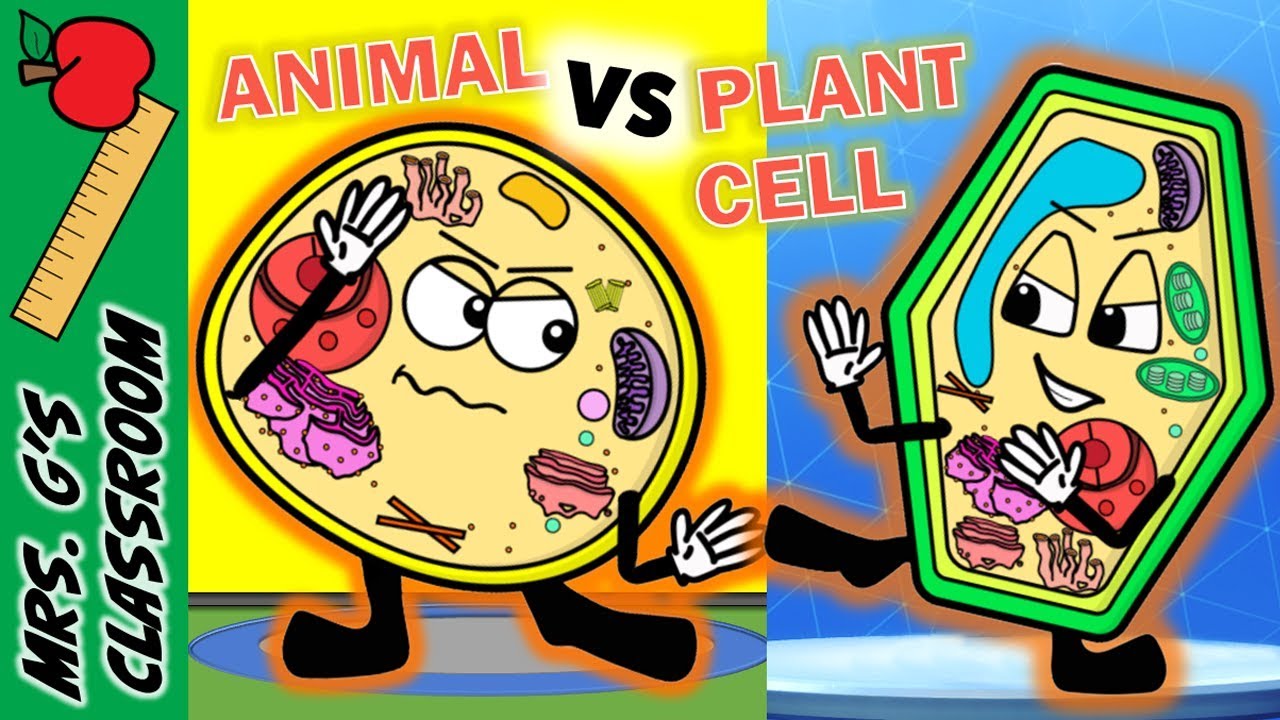
WHAT IS THE DIFFERENCE BETWEEN PLANT AND ANIMAL CELL

Overview of animal and plant cells | Biology | Khan Academy
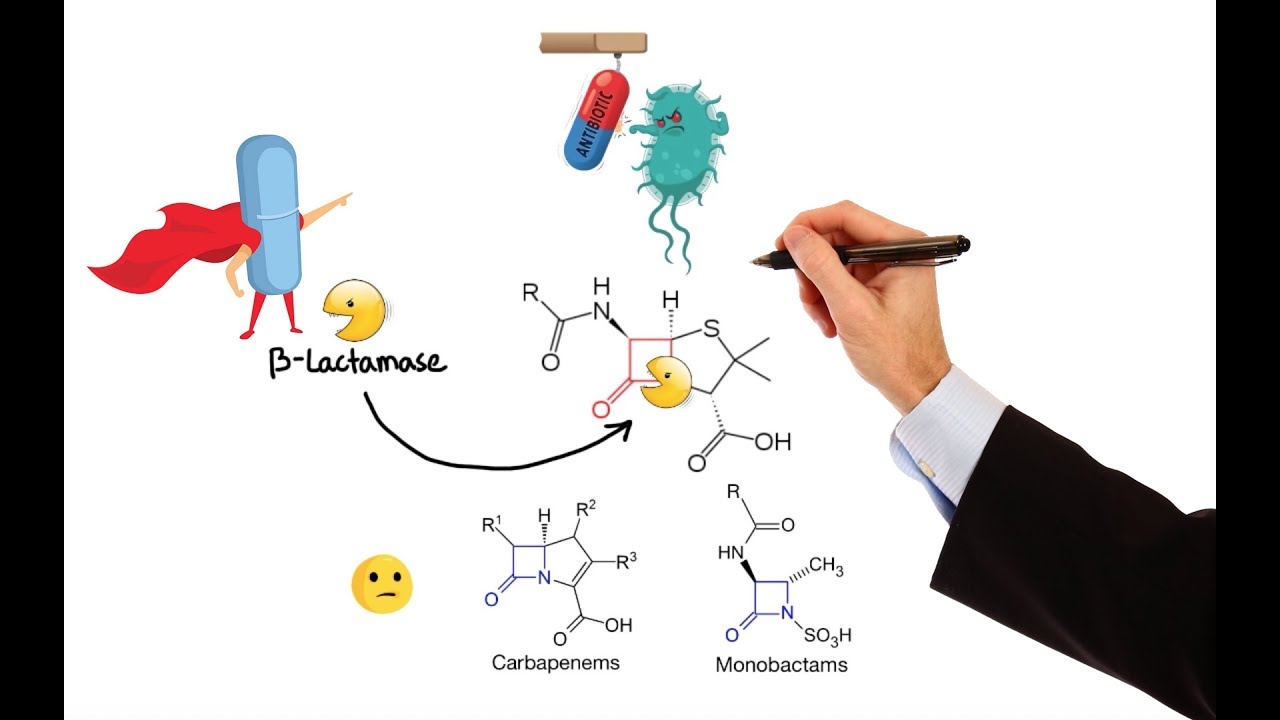
Pharmacology – ANTIBIOTICS – CELL WALL & MEMBRANE INHIBITORS (MADE EASY)

Introduction to Prokaryotic Cells | A-level Biology | OCR, AQA, Edexcel
5.0 / 5 (0 votes)

