Role of Fluorides in Dental Caries Management
Summary
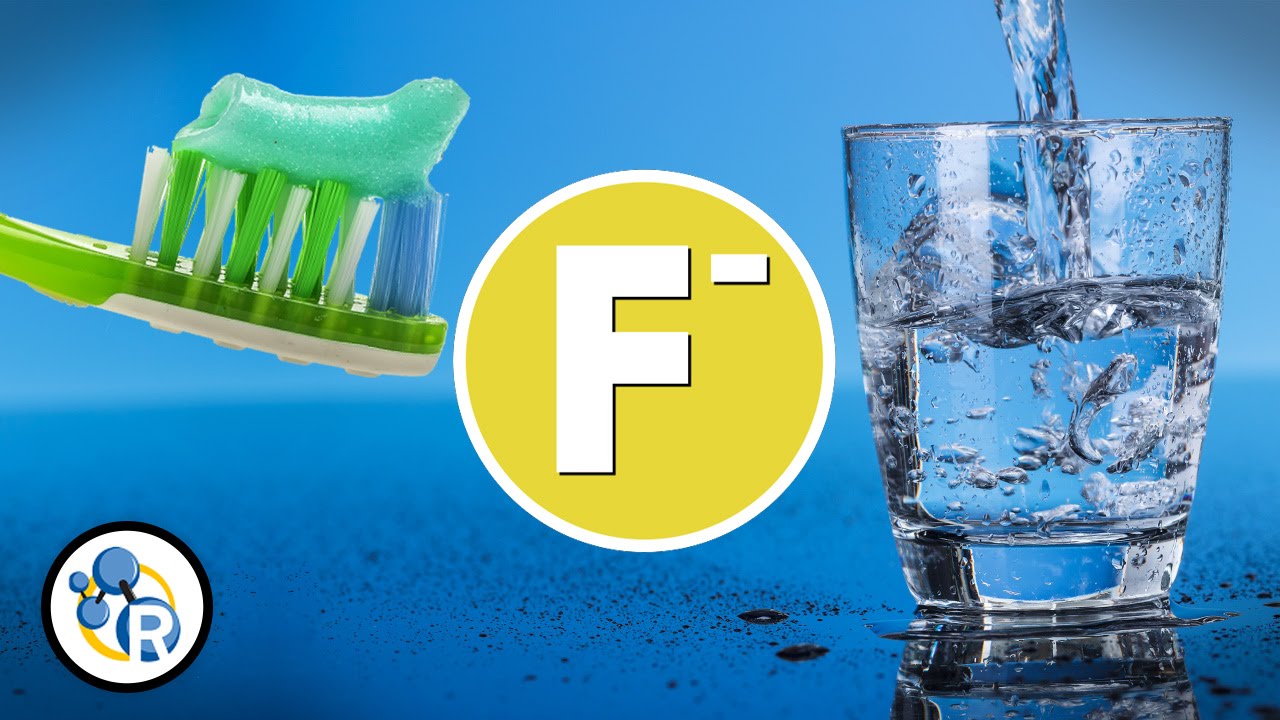
TLDRThis video explains the critical role of fluoride in preventing and managing dental caries. It begins by revisiting tooth structure, highlighting the composition of enamel and dentine, and the significance of hydroxyapatite crystals. The process of demineralization due to acidic pH, plaque accumulation, and the formation of white spot lesions is detailed. Fluoride’s mechanism in converting hydroxyapatite to the stronger, more acid-resistant fluorapatite is explained, emphasizing its role in both preventing further demineralization and promoting remineralization of non-cavitated lesions. The video also covers optimal fluoride use, including timing, concentration, and delivery methods, to maximize dental protection.
Takeaways
- 😀 Teeth are composed of hard tissues (enamel and dentine) and soft tissues, with enamel being the hardest structure in the human body.
- 😀 Enamel contains 96% inorganic content, while dentine contains 70%, with hydroxyapatite being the primary mineral component.
- 😀 Hydroxyapatite is composed of calcium and phosphate ions bound by hydroxyl groups.
- 😀 Demineralization occurs when salivary pH drops below a critical level: 5.5 for enamel and 6.2 for dentine.
- 😀 Plaque accumulation lowers pH locally, leading to dissolution of hydroxyapatite crystals and the formation of white spot lesions.
- 😀 Persistent demineralization can progress to dental caries if not managed.
- 😀 Fluoride replaces hydroxyl ions in hydroxyapatite to form fluoroapatite, which is stronger, less soluble, and more resistant to caries.
- 😀 Fluoride prevents further demineralization and promotes remineralization by enhancing calcium and phosphate uptake into teeth.
- 😀 Remineralization is effective only for non-cavitated lesions, such as white spot lesions; irreversible damage requires additional interventions.
- 😀 Effective fluoride application requires proper concentration (PPM), correct location (biofilm or saliva), and timely availability (within ~20 minutes of sugar exposure).
- 😀 Fluoride delivery methods include dentist-applied varnishes, gels, mouth rinses, and sealants to provide maximum caries prevention benefits.
Q & A
What are the primary components of tooth enamel?
-Tooth enamel is made up of approximately 96% inorganic content, primarily consisting of hydroxyapatite, which is composed of calcium and phosphate ions bound by a hydroxy group (oxygen and hydrogen atoms).
Why is enamel more susceptible to demineralization than dentin?
-Enamel is more susceptible to demineralization because it contains a higher percentage of inorganic material (96%) compared to dentin, which has only 70%. This makes enamel more vulnerable to pH changes in the saliva.
What happens when the pH of saliva decreases?
-When the pH of saliva decreases (becomes more acidic), it leads to demineralization, where calcium and phosphate ions are leached out from the hydroxyapatite crystals in the tooth, weakening the enamel and dentin.
What is the critical pH for enamel and dentin, and why do they differ?
-The critical pH for enamel is 5.5, and for dentin, it is 6.2. Enamel has a lower critical pH because of its higher inorganic content, making it more sensitive to acidic conditions compared to dentin.
How does plaque formation contribute to tooth decay?
-Plaque accumulation on the tooth surface lowers the pH in the mouth, increasing demineralization. This leads to the formation of white spot lesions and, if left untreated, can progress into full cavities.
What role does fluoride play in the prevention of tooth decay?
-Fluoride helps prevent tooth decay by replacing the hydroxy group in hydroxyapatite with fluoride ions, forming fluorapatite. Fluorapatite is stronger, less soluble, and more resistant to acidic dissolution, thus helping to protect tooth enamel.
What is the difference between hydroxyapatite and fluorapatite?
-Hydroxyapatite is the mineral that makes up tooth enamel, composed of calcium and phosphate ions bound by a hydroxy group. Fluorapatite is formed when fluoride ions replace the hydroxy group, making the mineral more resistant to dissolution and decay.
Can remineralization occur in cavitated lesions?
-No, remineralization can only occur in non-cavitated lesions, such as white spot lesions. Once a cavity has formed, the damage is irreversible, and other restorative treatments are needed.
Why is fluoride most effective within 20 minutes after sugar exposure?
-Fluoride is most effective within 20 minutes after sugar exposure because this is the time when the critical pH of saliva drops, making enamel more vulnerable to demineralization. Fluoride can help prevent further damage during this period.
What are some common methods of fluoride application?
-Common methods of fluoride application include professional fluoride varnishes and gels applied by a dentist, as well as fluoride mouth rinses and sealants for home care.
Outlines

このセクションは有料ユーザー限定です。 アクセスするには、アップグレードをお願いします。
今すぐアップグレードMindmap

このセクションは有料ユーザー限定です。 アクセスするには、アップグレードをお願いします。
今すぐアップグレードKeywords

このセクションは有料ユーザー限定です。 アクセスするには、アップグレードをお願いします。
今すぐアップグレードHighlights

このセクションは有料ユーザー限定です。 アクセスするには、アップグレードをお願いします。
今すぐアップグレードTranscripts

このセクションは有料ユーザー限定です。 アクセスするには、アップグレードをお願いします。
今すぐアップグレード



5.0 / 5 (0 votes)

