What is Displacement when Trading? - ICT Concepts
Summary
TLDRThis video explains the concept of displacement in trading, highlighting it as an aggressive move that breaks through key structures like short-term or intermediate highs and lows. It emphasizes that successful displacement requires continuation, not just a temporary breakout. The tutorial walks through identifying short-term highs and lows, recognizing fair value gaps, and using these for optimal trade entries around a 70% retracement level. By distinguishing between failed and successful displacements, viewers learn how to enter trades more consistently and profitably, with clear examples demonstrating how to spot, confirm, and act on aggressive market moves.
Takeaways
- 😀 Displacement is an energetic price move that breaks above or below key structures, such as intermediate or short-term highs and lows.
- 😀 Aggressiveness is the defining feature of a valid displacement move; without it, the move may fail and reverse.
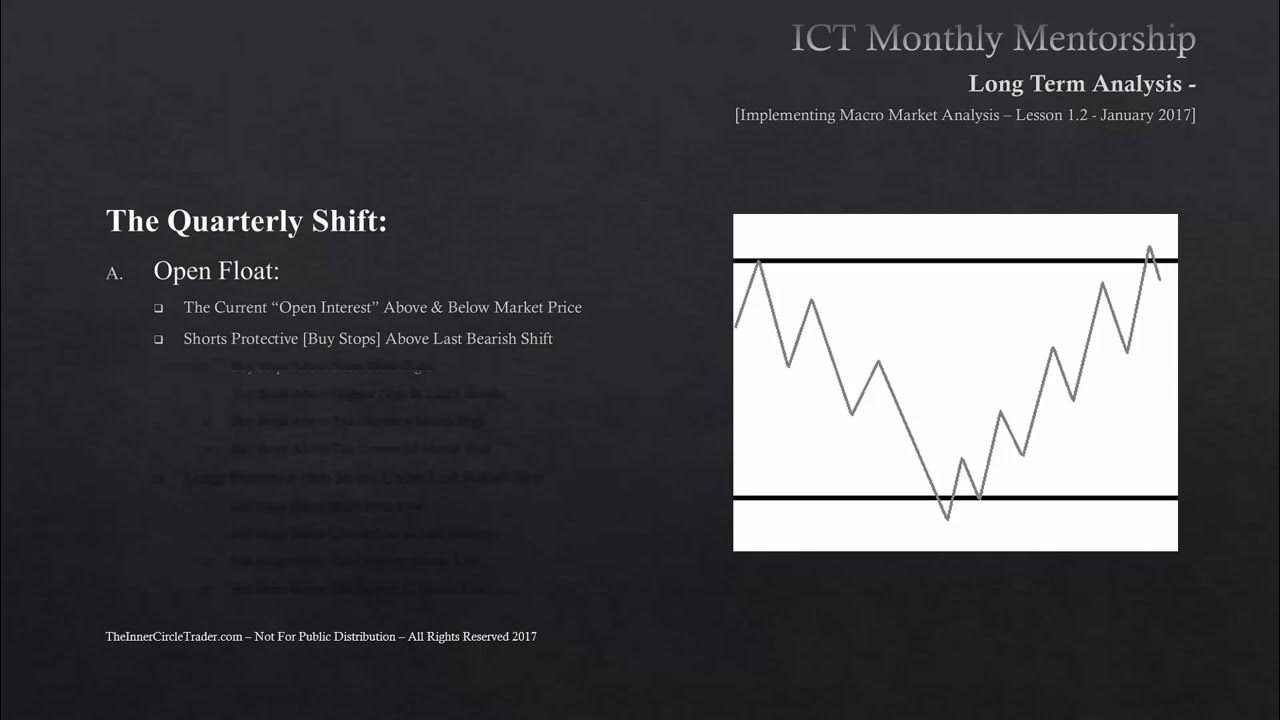
- 😀 Short-term highs and lows are intermediate pullbacks within a larger trend and help identify potential breakout points.
- 😀 Not all moves above previous highs count as displacement; rejection by bearish candles indicates lack of continuation.
- 😀 Fair Value Gaps (FVGs) are price zones left untested by aggressive moves, useful for planning trade entries.
- 😀 Optimal Trade Entry (OTE) typically lies between 62–79% of the initial aggressive move within a displacement.
- 😀 Multiple short-term highs can form before a valid displacement occurs, signaling areas to watch for potential breakout.
- 😀 Observing the continuation after an initial aggressive move confirms the validity of displacement.
- 😀 Entries based on displacement and FVGs allow traders to enter trades with higher probability and consistency.
- 😀 Practicing chart visualization is essential to correctly identify displacement moves and fair value gaps in live trading.
Q & A
What is displacement in trading according to the video?
-Displacement is an energetic price move that aggressively breaks above or below a structure, such as a short-term or intermediate high/low, and demonstrates strong continuation momentum.
Why is aggressiveness important in a displacement move?
-Aggressiveness indicates strong market conviction, which is necessary to differentiate a true breakout from a weak move that may immediately reverse.
What is a short-term high or low?
-A short-term high is a minor peak within an upward move, and a short-term low is a minor trough within a downward move. They act as reference points for identifying potential displacement.
How can traders identify if a displacement attempt has failed?
-A displacement attempt fails if the price breaks a structure but immediately reverses, such as forming an engulfing candle in the opposite direction and returning to the prior move.
What are fair value gaps (FVG) and how are they used?
-Fair value gaps are price zones created by aggressive moves where a portion of the market hasn’t traded. Traders use these zones to find potential entries during retracements.
What is an optimal trade entry (OTE) and how is it determined?
-An OTE is a retracement-based entry point, typically between 62% and 79% of the initial displacement move. It allows traders to enter with lower risk while anticipating trend continuation.
Can any breakout above a short-term high be considered displacement?
-No. Only breakouts that demonstrate strong follow-through and continuation qualify as displacement. Weak or immediately rejected breakouts are not valid.
How do traders use multiple short-term highs to prepare for displacement?
-Traders monitor consecutive short-term highs to identify potential breakout levels. Once these highs are surpassed aggressively, it signals a valid displacement move.
What is the relationship between displacement and trading consistency?
-Correctly identifying displacement allows traders to consistently enter trades at high-probability zones like fair value gaps or OTEs, improving long-term profitability.
Why might a trader choose the bottom of the initial move for setting OTE entries?
-The bottom of the initial move provides a reference for measuring the retracement range, helping traders calculate the optimal 62–79% retracement for entering the trade safely.
What should traders do if they are unsure about displacement or FVG setups?
-Traders can seek further clarification, study additional examples, or contact experts (as suggested in the video) to gain a better understanding before applying these techniques in live trades.
Outlines

このセクションは有料ユーザー限定です。 アクセスするには、アップグレードをお願いします。
今すぐアップグレードMindmap

このセクションは有料ユーザー限定です。 アクセスするには、アップグレードをお願いします。
今すぐアップグレードKeywords

このセクションは有料ユーザー限定です。 アクセスするには、アップグレードをお願いします。
今すぐアップグレードHighlights

このセクションは有料ユーザー限定です。 アクセスするには、アップグレードをお願いします。
今すぐアップグレードTranscripts

このセクションは有料ユーザー限定です。 アクセスするには、アップグレードをお願いします。
今すぐアップグレード関連動画をさらに表示




5.0 / 5 (0 votes)

