Artemis II Explained | 2026 Mission to the Moon
Summary
TLDRArtemis II is NASA’s first crewed mission back toward the Moon in over 50 years, serving as a critical test flight for future lunar exploration. Using the powerful Space Launch System and the Orion spacecraft, four astronauts will embark on a 10-day journey, traveling to the Moon’s far side without landing. The mission focuses on testing vital systems such as life support, navigation, radiation protection, and crew operations in deep space. Following a free-return trajectory, the crew will safely loop around the Moon and return to Earth, paving the way for future missions that aim to land humans on the lunar surface.
Takeaways
- 🚀 Artemis 2 is NASA's mission to the moon, set to launch in early 2026, marking the first time humans will visit the moon in over 50 years.
- 🛰 The Space Launch System (SLS) is the rocket that will carry Artemis 2, featuring solid rocket boosters and an orange core stage, with a unique American 250 logo to celebrate the 250th anniversary of the U.S.
- 🌌 The spacecraft used in Artemis 2 includes the Orion capsule, which will house the astronauts, and the European Service Module (ESM), which provides power and propulsion.
- 🔴 The Artemis 2 mission is a test flight, following the success of the uncrewed Artemis 1 mission, and will focus on testing human-centric features like docking, radiation shielding, and communication systems.
- 🌙 The Artemis 2 crew will not land on the moon but will perform a lunar flyby, getting as close as 4,600 miles to the lunar surface during their journey around the moon.
- 🛠 The crew will be tested on various human activities during the mission, including exercise routines, sleeping, eating, and even using a bathroom in space.
- ⏱ Artemis 2 will launch from Kennedy Space Center, Florida, with a window opening on February 5th, 2026, using the most powerful manned rocket in history.
- 🔭 The mission will involve complex maneuvers, including a docking practice and a free return trajectory, which uses the moon's and Earth's gravity to return the astronauts safely to Earth.
- 🌍 The Artemis 2 journey to the moon will take 4 days, with astronauts testing emergency procedures and deep space radiation shelters along the way.
- 👩🚀 The four astronauts on Artemis 2 are Reed Wisman (commander), Victor Glover (pilot), Christina Cook (mission specialist), and Jeremy Hansen (mission specialist), each with impressive credentials and experience in space and military operations.
Q & A
What is Artemis 2, and what makes it significant?
-Artemis 2 is NASA's mission to the Moon, set to launch in early 2026. It is significant because it marks the first time in over 50 years that humans will visit the Moon. This mission will also serve as a test flight, testing various human-centric features of space travel.
What is the Space Launch System (SLS), and how does it work for Artemis 2?
-The Space Launch System (SLS) is the rocket that will carry the Artemis 2 crew to space. It consists of two solid rocket boosters, a core stage, an interim cryogenic propulsion stage (ICPS), and the Orion spacecraft. The SLS is designed to be the most powerful manned rocket ever launched, and it will propel Artemis 2 to the Moon.
Why do the solid rocket boosters on the SLS have special markings?
-The solid rocket boosters on the SLS feature a giant 'America 250' logo, celebrating the 250th anniversary of the United States in 2026. This serves as a patriotic tribute, especially as engineers from all 50 states contributed to the rocket's development.
What is the Orion spacecraft, and what are its key components?
-The Orion spacecraft is the core vehicle of Artemis 2. It includes the European Service Module (ESM) for propulsion and power, the crew module (capsule) where astronauts live and work, and the launch abort system (LA) to ensure safety in case of emergencies.
What is the main objective of Artemis 2 as a test mission?
-The main objective of Artemis 2 is to test the entire system, including spacecraft systems, docking, radiation shielding, communication, and human activities in space. It builds on the success of Artemis 1, which was an uncrewed test mission.
What will the astronauts be testing aboard Artemis 2?
-Astronauts aboard Artemis 2 will be testing various human-centric features such as docking, radiation shielding, communication systems, and procedures for eating, sleeping, exercising, and using the bathroom in space.
What is the free return trajectory, and why is it important for Artemis 2?
-A free return trajectory is a flight path where the gravity of the Moon and Earth naturally bring the spacecraft back to Earth without additional burns. This is crucial for Artemis 2 as it ensures that if anything goes wrong, the spacecraft will safely return to Earth.
How far will Artemis 2 travel from Earth, and what will the crew experience during the mission?
-Artemis 2 will travel about 230,000 miles away from Earth to the far side of the Moon. The crew will experience a lunar flyby, testing the spacecraft's systems, and will be running emergency procedures, including those for radiation events.
Who are the astronauts on Artemis 2, and what are their roles?
-The crew of Artemis 2 consists of four astronauts: Reed Wisman (Commander), Victor Glover (Pilot), Christina Cook (Mission Specialist), and Jeremy Hansen (Mission Specialist). Each has extensive experience in space or military operations, making them ideal candidates for this historic mission.
What makes Artemis 2 different from previous Apollo missions, particularly Apollo 8?
-Artemis 2 is similar to Apollo 8 in that it will involve a flyby of the Moon. However, Artemis 2 is the first mission to carry humans to the Moon in over 50 years, and it will test modern spacecraft systems and technologies, which weren't available during the Apollo missions.
Outlines

このセクションは有料ユーザー限定です。 アクセスするには、アップグレードをお願いします。
今すぐアップグレードMindmap

このセクションは有料ユーザー限定です。 アクセスするには、アップグレードをお願いします。
今すぐアップグレードKeywords

このセクションは有料ユーザー限定です。 アクセスするには、アップグレードをお願いします。
今すぐアップグレードHighlights

このセクションは有料ユーザー限定です。 アクセスするには、アップグレードをお願いします。
今すぐアップグレードTranscripts

このセクションは有料ユーザー限定です。 アクセスするには、アップグレードをお願いします。
今すぐアップグレード関連動画をさらに表示
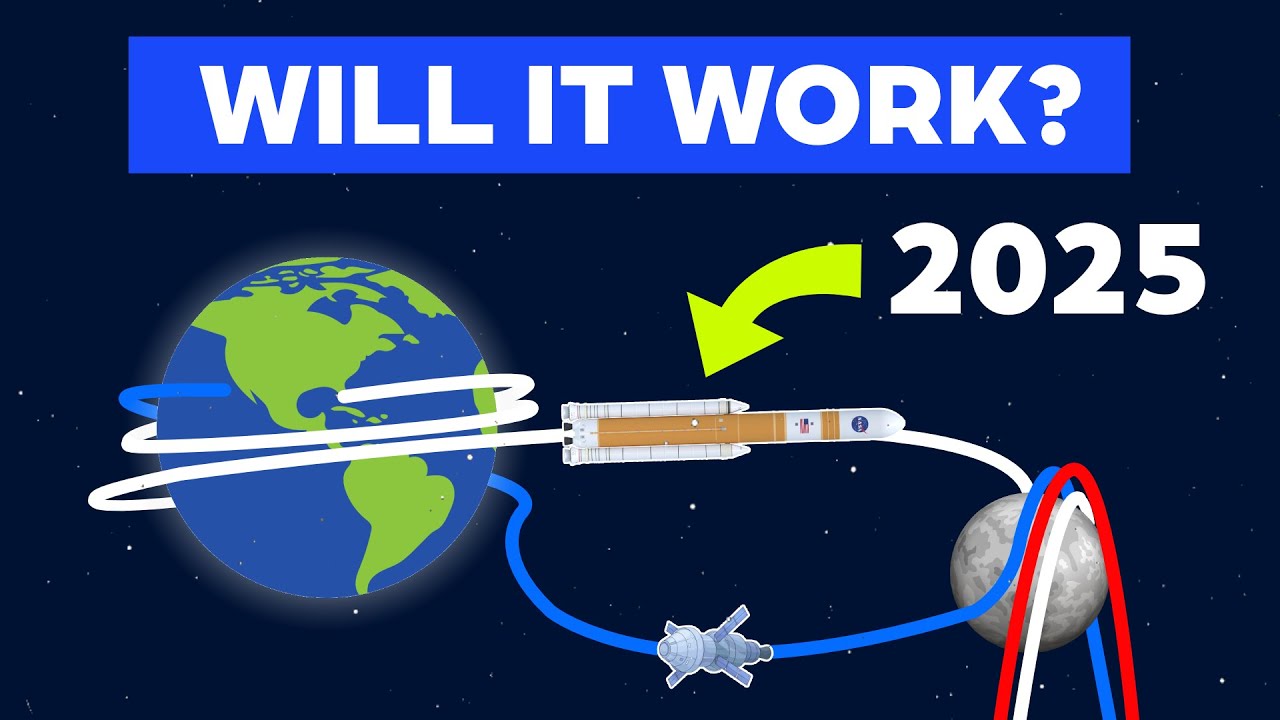
NASA’s $93BN Plan to Return to the Moon

Farther and Faster: NASA's Journey to the Moon with Artemis
Artemis II: Mission around the moon

Moon Astronaut Reacts to Moon Landing Deniers

NASA official Declared Most DIFFICULT Starship Mission Happen in MARCH 2025!
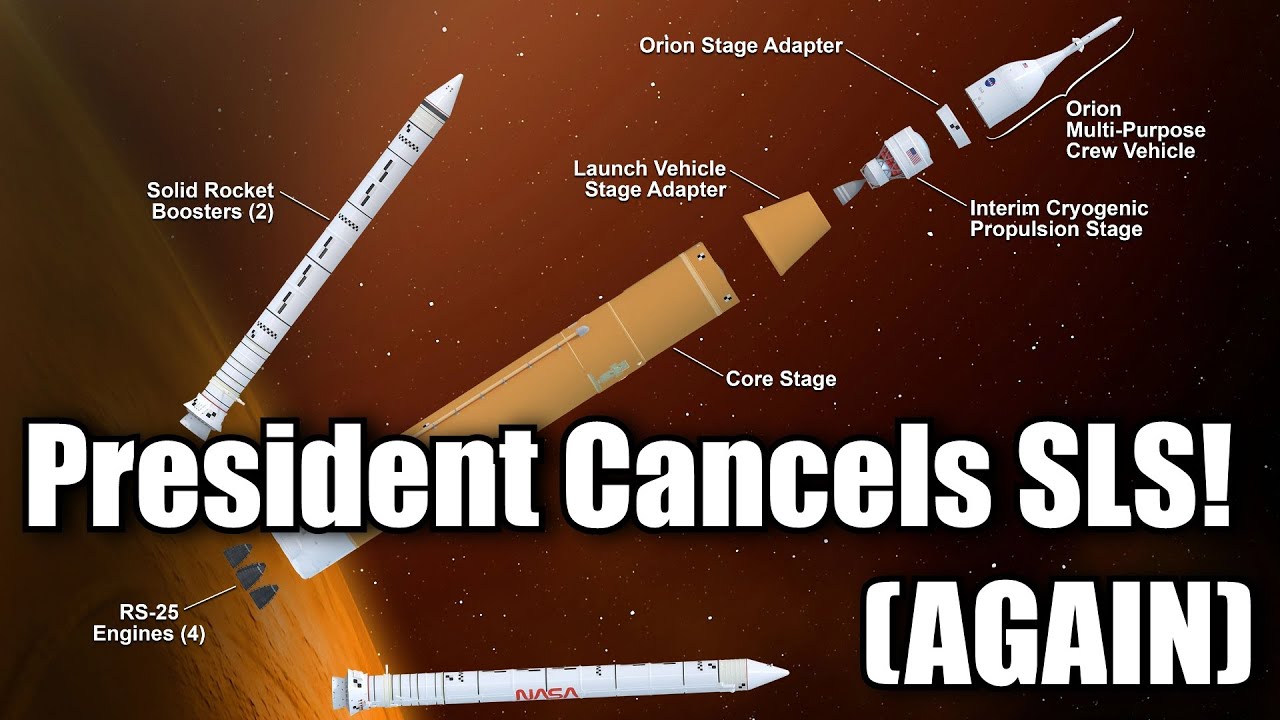
US President Cancels Giant NASA Rocket (AGAIN!) - Deep Space Updates May 4th
5.0 / 5 (0 votes)

