Biologi Kelas 11: Struktur dan Fungsi Organ Manusia, Fertilisasi, Gestasi, dan Persalinan
Summary
TLDRThis educational video explains human reproduction, covering fertilization, gestation, and childbirth. It details how sperm meets the egg, the enzymatic processes that allow fertilization, and the formation of a zygote. The video then follows embryonic development through morula, blastula, gastrula, and organogenesis stages, highlighting the creation of protective membranes and the placenta. It outlines pregnancy trimesters, fetal growth, and maternal changes. Finally, it describes childbirth, the hormonal influences that drive labor, and the postpartum process, including breastfeeding and colostrum production, emphasizing the crucial role of hormones and maternal support in nurturing the newborn.
Takeaways
- 😀 Fertilization occurs when sperm meets an egg, leading to the formation of a zygote, which then develops into an embryo.
- 😀 Out of 300 to 400 million sperm, only a few will reach the egg, aided by the sperm's tail and enzymes released from the sperm's head.
- 😀 Sperm has three main parts: the head, middle, and tail, with the head containing genetic material and enzymes to penetrate the egg.
- 😀 The egg is surrounded by protective layers, including the corona radiata and zona pellucida, which sperm must penetrate for fertilization.
- 😀 The zygote undergoes cell division and develops through stages: morula, blastula, gastrula, and organogenesis, eventually forming an embryo.
- 😀 During pregnancy, the embryo is surrounded by protective membranes, including the amnion, chorion, and allantois, each serving vital roles.
- 😀 The embryo's growth is tracked in three trimesters, with significant developments in organ formation, and fetal movements.
- 😀 The first trimester involves early development of the heart, brain, and limbs, while the second trimester sees the fetus developing more complex features.
- 😀 In the third trimester, the fetus grows to full size, and the mother's body prepares for labor with changes in the uterus and hormonal shifts.
- 😀 Labor involves three stages: cervix dilation, delivery of the baby, and delivery of the placenta, with various hormones aiding the process.
Q & A
What is fertilization and how does it occur in humans?
-Fertilization is the process where a sperm cell and an ovum (egg) meet and combine their nuclei, forming a zygote. This occurs when sperm swim through the vagina, reach the fallopian tube, and penetrate the protective layers of the egg using enzymes, leading to the union of genetic material.
How many sperm are typically released during ejaculation and how many reach the egg?
-A typical ejaculation releases 300 to 400 million sperm, but only a few actually reach and penetrate the egg due to natural barriers and differences in sperm quality.
What are the main parts of a sperm cell and their functions?
-A sperm cell has three main parts: the head, which contains the nucleus and enzymes to penetrate the egg; the midpiece, which contains mitochondria to provide energy for movement; and the tail, which propels the sperm toward the egg.
What role do the enzymes hialuronidase, akrosin, and antifertilizin play during fertilization?
-Hialuronidase breaks down the corona radiata surrounding the egg, akrosin dissolves the zona pellucida, and antifertilizin helps the sperm attach to the secondary oocyte, enabling successful penetration.
Describe the stages of embryonic development after fertilization.
-The stages include morula (solid ball of cells), blastula (hollow structure with inner cell mass), gastrula (formation of three germ layers: ectoderm, mesoderm, endoderm), and organogenesis (development of organs from the three layers).
What are the protective membranes of the embryo and their functions?
-The main membranes are the yolk sac (blood cell formation), chorion (outer layer forming the placenta), amnion (contains amniotic fluid to cushion and protect the embryo), and allantois (forms the umbilical cord for nutrient and oxygen transfer).
How long is a typical human pregnancy and how is it divided?
-A typical pregnancy lasts about 280 days (40 weeks) and is divided into three trimesters: first trimester (0–12 weeks), second trimester (13–27 weeks), and third trimester (28–40 weeks). Each trimester marks distinct stages of fetal development and maternal changes.
What hormones play a role in childbirth, and what are their functions?
-Estrogen stimulates uterine contractions, oxytocin strengthens contractions, prostaglandins increase contraction intensity, and relaxin helps soften the pelvis and cervix to facilitate delivery.
What are the stages of vaginal delivery?
-Vaginal delivery has three stages: dilation of the cervix (up to 10 cm), birth of the baby (assisted by maternal pushing and contractions), and delivery of the placenta (usually within 15–30 minutes after birth).
Why is breast milk important for newborns, and what is colostrum?
-Breast milk provides complete nutrition, antibodies, and enzymes for easier fat digestion. Colostrum, the first milk produced, is rich in protein and antibodies that protect the newborn from infections.
What changes occur in the mother’s body during the second and third trimesters?
-During the second trimester, the abdomen enlarges, stretch marks may appear, and hands and feet may swell. In the third trimester, fetal movements strengthen, the mother experiences more frequent urination, false contractions, and the fetus positions itself for birth.
How does a zygote develop into a fetus?
-The zygote undergoes cell division to form a morula, then a blastula, followed by gastrulation to create three germ layers. Organogenesis then forms functional organs. Once all organs and protective membranes are developed, the embryo is referred to as a fetus.
Outlines

このセクションは有料ユーザー限定です。 アクセスするには、アップグレードをお願いします。
今すぐアップグレードMindmap

このセクションは有料ユーザー限定です。 アクセスするには、アップグレードをお願いします。
今すぐアップグレードKeywords

このセクションは有料ユーザー限定です。 アクセスするには、アップグレードをお願いします。
今すぐアップグレードHighlights

このセクションは有料ユーザー限定です。 アクセスするには、アップグレードをお願いします。
今すぐアップグレードTranscripts

このセクションは有料ユーザー限定です。 アクセスするには、アップグレードをお願いします。
今すぐアップグレード関連動画をさらに表示

BIOLOGI Kelas 11 - Sistem Reproduksi (PART 2) | GIA Academy
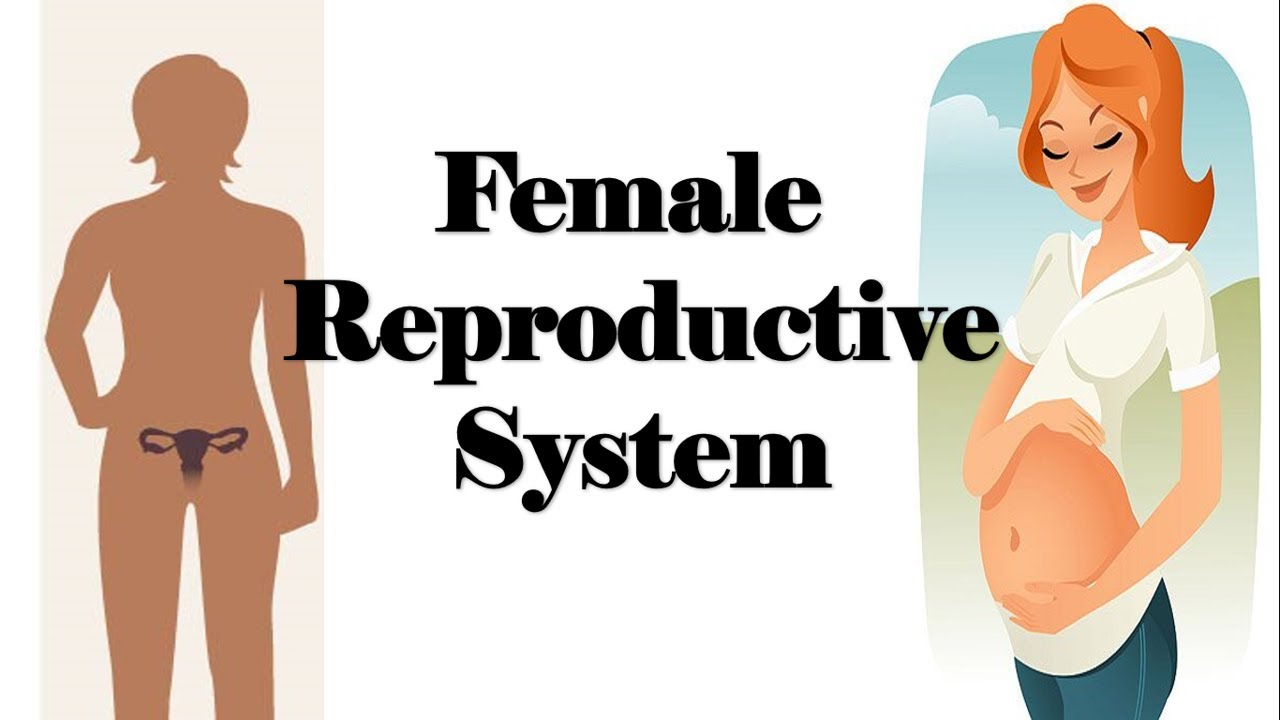
PARTS AND FUNCTION OF THE FEMALE REPRODUCTIVE SYSTEM (tagalog)
BIOLOGI Kelas 11 - Sistem Reproduksi (PART 1) | GIA Academy
SISTEM REPRODUKSI PADA MANUSIA | RINGKAS
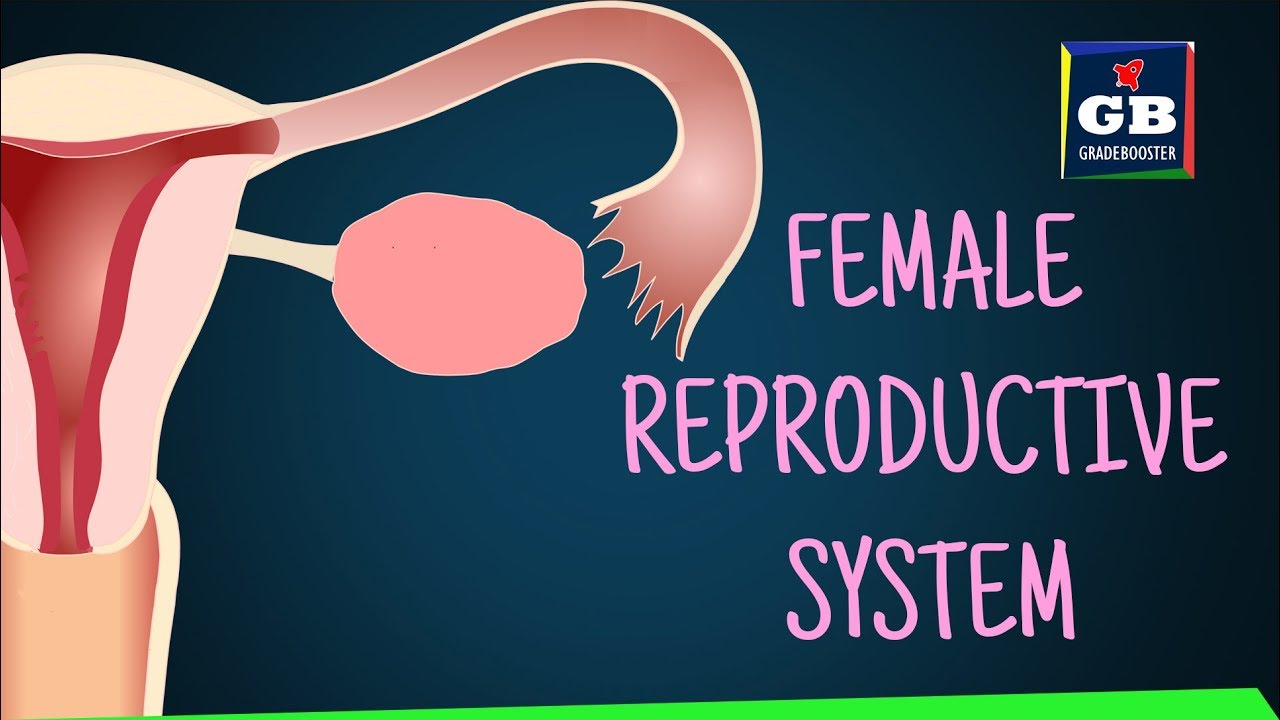
Human #female reproductive system |sexual reproduction| 10th Biology :CBSE | ncert class 10 |Science
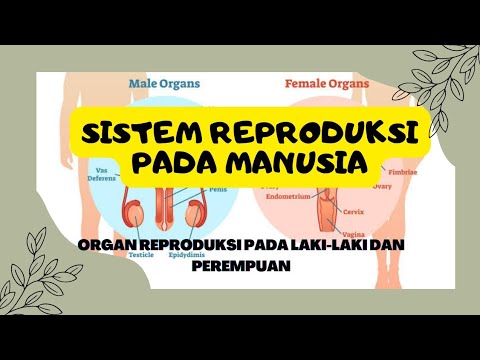
SISTEM REPRODUKSI PADA MANUSIA || ORGAN REPRODUKSI PADA LAKI-LAKI & PEREMPUAN
5.0 / 5 (0 votes)

