FEU Public Intellectual Lecture Series | Leah Guerrero | Part 1
Summary
TLDRIn this thought-provoking lecture, Lea Guerrero, Country Director for Greenpeace Philippines, discusses the urgent global climate crisis and its disproportionate impact on impoverished communities. She highlights how wealthier, industrialized nations are the primary culprits of climate change, yet poorer nations bear the brunt of its consequences. Guerrero delves into climate justice, emphasizing the rights of vulnerable populations, and critiques the voluntary nature of global agreements like the Paris Agreement. The discussion also touches on the waste management crisis, with a focus on single-use plastics in the Philippines, and the responsibility of corporations in managing the environmental damage they create.
Takeaways
- 😀 The global climate crisis is at a critical point, with only 12 years left to limit the impacts of climate change and prevent catastrophic consequences.
- 🌍 The Philippines is one of the most vulnerable countries to climate change, experiencing devastating impacts like Typhoon Haiyan and increasingly extreme weather patterns.
- ⚖️ Climate justice is a rights-based framework that highlights how poorer nations, who have contributed least to the crisis, are suffering the most from its impacts.
- 💡 The Paris Agreement is voluntary, meaning industrialized nations are not compelled to take drastic actions to reduce emissions, which hinders real global progress.
- 🌱 Greenpeace advocates for fossil fuel companies to stop profiting from harmful practices and shift towards renewable energy solutions to avoid the worst climate impacts.
- 🌡️ The increasing frequency of extreme weather events, such as heatwaves in Europe and rising temperatures globally, shows that the climate crisis is already here.
- 🛑 Poorer nations and local communities are disproportionately burdened by climate change, yet those responsible, like fossil fuel companies, continue to profit from it.
- 🌊 Waste management, especially plastic waste, is a growing issue in the Philippines, with single-use plastics like sachets contributing to overwhelming environmental pollution.
- 🔄 Greenpeace promotes a zero-waste approach, urging a shift from traditional waste management to resource management, focusing on product lifecycle responsibility.
- 🌏 The entrenched global economic system prioritizes unlimited growth, which encourages continuous fossil fuel use, making it hard to transition to a more sustainable, equitable model.
Q & A
What is the primary environmental crisis discussed in the transcript?
-The primary environmental crisis discussed is the global climate emergency. It is highlighted as one of the most pressing issues humanity is facing, with urgent action required to limit global warming to 1.5°C to avoid catastrophic effects on the planet and its inhabitants.
How is the Philippines affected by climate change according to the transcript?
-The Philippines is one of the most vulnerable countries to climate change. The country has experienced extreme weather events such as Typhoon Haiyan (Yolanda), which caused massive destruction and the loss of thousands of lives. Additionally, the Philippines faces ongoing slow-onset impacts like rising temperatures and changing weather patterns.
What is the concept of climate justice, and why is it important?
-Climate justice is a rights-based framework that seeks to address the inequities caused by climate change. It emphasizes that those who have historically contributed the least to climate change, such as poorer nations, are suffering the most. The framework advocates for holding fossil fuel companies and industrialized nations accountable for their role in causing climate change.
Why are industrialized nations primarily responsible for the climate crisis?
-Industrialized nations are primarily responsible for the climate crisis due to their historical and ongoing emissions of greenhouse gases. These countries industrialized early and contributed significantly to the accumulation of carbon in the atmosphere. Despite their responsibility, poorer nations are bearing the brunt of the impacts.
How does the Paris Agreement relate to the climate crisis and the disparity between rich and poor nations?
-The Paris Agreement is an international treaty aimed at reducing global greenhouse gas emissions. However, it is voluntary, which means nations are not legally bound to commit to specific emission reduction targets. This creates a disparity where richer nations, who are responsible for a significant portion of emissions, may not take the necessary actions to mitigate climate change, leaving poorer nations to cope with the consequences.
What role do fossil fuel companies play in perpetuating the climate crisis?
-Fossil fuel companies are central to the climate crisis because they are responsible for extracting and burning fossil fuels, which release large amounts of carbon dioxide into the atmosphere. These companies have profited from these activities for over a century and continue to resist transitioning to renewable energy sources, despite the urgent need to reduce emissions.
What are the main challenges in transitioning to renewable energy according to the interview?
-The main challenges in transitioning to renewable energy include the entrenched power of fossil fuel companies and their influence over governments. These companies profit immensely from fossil fuel extraction, and they resist change because renewable energy would disrupt their business models. Additionally, global economic systems are built around fossil fuel-based development, making it difficult to shift towards sustainability.
What is Greenpeace's stance on the role of fossil fuel companies in the climate crisis?
-Greenpeace believes that fossil fuel companies must acknowledge their responsibility for the climate crisis and transition away from fossil fuel extraction. They should prioritize developing and investing in renewable energy sources. Greenpeace also advocates for these companies to be held accountable for the harm caused by their actions, including through reparations to affected communities.
How does Greenpeace view waste management in the Philippines, particularly in relation to plastic pollution?
-Greenpeace highlights the severe waste management issues in the Philippines, particularly the overwhelming presence of single-use plastics like sachets and plastic bags. These plastics are non-biodegradable and contribute to significant environmental harm. Greenpeace advocates for a zero-waste approach, which focuses on reducing waste generation and holding companies accountable for the waste they produce.
Why is zero waste management seen as a solution to the waste crisis in the Philippines?
-Zero waste management is seen as a solution because it focuses on managing materials throughout their lifecycle, from production to post-use disposal, rather than merely addressing waste after it has been discarded. This approach encourages businesses to take responsibility for the waste they produce and reduces reliance on landfills and incineration, which are harmful to the environment.
Outlines

このセクションは有料ユーザー限定です。 アクセスするには、アップグレードをお願いします。
今すぐアップグレードMindmap

このセクションは有料ユーザー限定です。 アクセスするには、アップグレードをお願いします。
今すぐアップグレードKeywords

このセクションは有料ユーザー限定です。 アクセスするには、アップグレードをお願いします。
今すぐアップグレードHighlights

このセクションは有料ユーザー限定です。 アクセスするには、アップグレードをお願いします。
今すぐアップグレードTranscripts

このセクションは有料ユーザー限定です。 アクセスするには、アップグレードをお願いします。
今すぐアップグレード関連動画をさらに表示

Addressing the impact of climate change l New Day

We must have a just transition to net zero when fighting climate change

ENGLISH SPEECH | JASON MOMOA: Powerful Climate Speech (English Subtitles)

AR6 Synthesis Report: Climate Change 2023
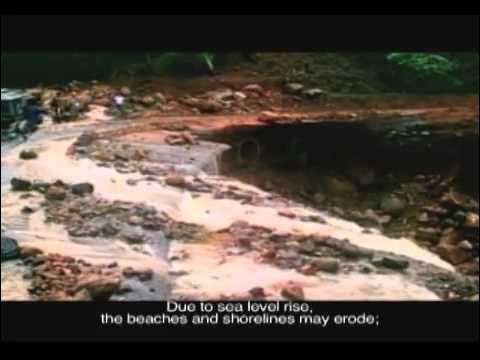
Philippines Climate Change in Coastal Areas

World Usbility Day 2023 Hamburg: Victor Lombardi
5.0 / 5 (0 votes)

