Lisa Harouni: A primer on 3D printing
Summary
TLDRThe transcript explores the transformative power of 3D printing, or additive manufacturing, highlighting its ability to rapidly create intricate, customized physical products directly from digital designs. It explains how CAD data is sliced into layers and built up by machines using various materials, from plastics to medical-grade titanium. The technology enables rapid prototyping, bespoke mass production, and even functional customization for implants, prosthetics, and spare parts. As machines become smaller, faster, and more affordable, 3D printing is poised to revolutionize manufacturing, allowing individuals and businesses to produce products on-demand, reducing waste, and challenging traditional production constraints.
Takeaways
- 😀 3D printing, also known as additive manufacturing, allows the creation of physical objects from digital data by building them layer by layer.
- 😀 3D printers have existed for nearly 30 years but are only recently becoming more accessible, efficient, and affordable for broader use.
- 😀 The process starts with CAD (Computer-Aided Design) data, which is sliced into layers for the printer to build the object sequentially.
- 😀 3D printing enables the production of highly intricate designs, including parts with moving components or internal structures impossible to create with traditional methods.
- 😀 Industries using 3D printing include aerospace, automotive, medical (implants and prosthetics), architecture, and consumer product design.
- 😀 The technology allows for rapid prototyping and mass customization, enabling one-off or small-batch production without large-scale manufacturing setups.
- 😀 Desktop 3D printers are now affordable and can potentially allow individuals to produce objects at home, though most people currently lack the skills to create printable 3D data.
- 😀 Functional customization is possible, such as creating prosthetics, dental fittings, or implants tailored to an individual's anatomy using scan data.
- 😀 3D printing reduces material waste and can improve efficiency, such as by creating internal cooling channels in engine parts that standard manufacturing cannot achieve.
- 😀 The technology is expected to disrupt manufacturing by decentralizing production, lowering carbon footprints, and allowing personalized, on-demand creation of products.
Q & A
What is additive manufacturing, and how does it work?
-Additive manufacturing, also known as 3D printing, is a technology where products are built layer by layer using data. A 3D printer reads the data (typically CAD files), slices it into 2D representations, and deposits material layer by layer to create a physical object. This process can be done with various materials, including liquids or powders, and is used to create intricate designs that traditional manufacturing methods cannot achieve.
Why is 3D printing becoming more accessible to the public now?
-For nearly 30 years, 3D printers were inefficient, expensive, and inaccessible. However, advancements in technology have made 3D printers faster, more affordable, and compact enough to sit on a desktop. This makes them more accessible to the public, allowing for personal use and small-scale production at home.
What types of products can be created with 3D printing?
-3D printing can produce a wide range of products, including shoes, jewelry, phone covers, medical implants, and even engine parts. The technology allows for intricate designs, such as moving components or parts within parts, which are difficult or impossible to create using traditional manufacturing methods.
How does 3D printing contribute to efficiency in manufacturing?
-3D printing enables the creation of products with complex internal structures, such as cooling channels or porous implants, which improve functionality and efficiency. For example, aerospace and automotive industries use 3D printing to create lighter, stronger, and more efficient parts with less material waste compared to traditional manufacturing.
What is the significance of creating bespoke products through 3D printing?
-Bespoke products refer to items that are customized to an individual's specifications. 3D printing allows for mass customization, enabling the production of unique, one-off products without the need for large-scale production runs or expensive molds. This is particularly useful for creating customized parts, medical devices, or personalized consumer goods.
How is 3D printing transforming industries like architecture and engineering?
-In architecture and engineering, 3D printing allows for the rapid creation of detailed prototypes and models that would be difficult or impossible to produce by hand. For instance, architects can use 3D printing to create building models that are more accurate and complex than traditional methods. Additionally, engineers can design parts with unique features like internal cooling channels for more efficient performance.
What are some of the challenges that still limit the widespread use of 3D printing?
-Despite the progress, several challenges remain, such as the need for specialized knowledge to create and manipulate 3D data. Most people lack the technical expertise to generate the necessary design files for a 3D printer. Additionally, while 3D printers have become more affordable, the materials used in printing and the technology itself may still be too expensive or complex for widespread home use.
What role does 3D printing play in healthcare, specifically in creating implants?
-3D printing has revolutionized healthcare by enabling the creation of highly specialized implants tailored to an individual's body. For example, 3D printing is used to create medical-grade titanium implants that fit patients perfectly, improving the chances of successful integration and reducing the risk of rejection. This technology also allows for the creation of prosthetics and dental implants tailored to a person's exact needs.
How could 3D printing impact the future of spare parts production?
-3D printing allows for on-demand production of spare parts. If a product breaks and a specific part is no longer available, individuals can download the necessary part's design from the web and print it at home. This eliminates the need to rely on manufacturers or shipping and supports a more sustainable, localized approach to parts production.
What is the potential for 3D printing in reducing the carbon footprint of manufacturing?
-3D printing can significantly reduce the carbon footprint of manufacturing by minimizing the need for shipping physical products around the globe. Instead of transporting goods, data is transmitted over the internet, and products are printed locally. This could reduce energy consumption and pollution associated with traditional mass production and transportation methods.
Outlines

このセクションは有料ユーザー限定です。 アクセスするには、アップグレードをお願いします。
今すぐアップグレードMindmap

このセクションは有料ユーザー限定です。 アクセスするには、アップグレードをお願いします。
今すぐアップグレードKeywords

このセクションは有料ユーザー限定です。 アクセスするには、アップグレードをお願いします。
今すぐアップグレードHighlights

このセクションは有料ユーザー限定です。 アクセスするには、アップグレードをお願いします。
今すぐアップグレードTranscripts

このセクションは有料ユーザー限定です。 アクセスするには、アップグレードをお願いします。
今すぐアップグレード関連動画をさらに表示
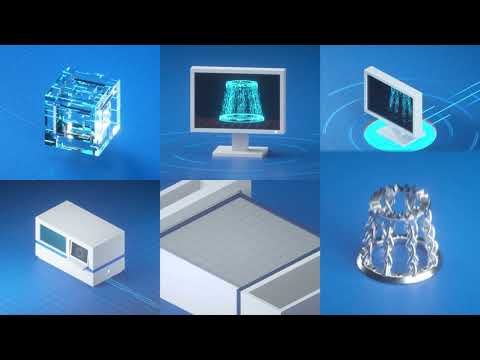
What is additive manufacturing? | GE Additive
Design Studio 3 Digital Fabrication

Why 3D printing is vital to success of US manufacturing | FT Film

What is 3D printing?

Lịch Sử In 3D - "Chìa Khoá" Của Công Nghệ Tương Lai Và Mặt Trái Đáng Sợ

How 3D printing is enabling the ‘4th Industrial Revolution’ | Dr. Tim Minshall | TEDxOxBridge
5.0 / 5 (0 votes)

