MAX WERTHEIMER (2) - LEI DA PREGNÂNCIA | PSICOLOGIA DA GESTALT
Summary
TLDRThis video explains key concepts of Gestalt psychology, focusing on how our brain organizes sensory information into structured, meaningful patterns. It introduces principles such as figure-ground, proximity, similarity, and closure, which guide our perception of the world. The brain naturally seeks simplicity, symmetry, and organization in processing stimuli, leading to a coherent psychological experience. The video also touches on how different individuals may perceive the same object differently based on their subjective interpretation, emphasizing the distinction between the physical world and our mental representation of it.
Takeaways
- 🧠 The brain is not a passive storage device; it actively processes sensory information through electrochemical activity.
- 🌀 Gestalt psychology emphasizes perceiving the whole first, before analyzing individual parts, as the whole gives meaning to the parts.
- ⚖️ The brain organizes information in the simplest, most symmetrical, and regular way possible, a principle known as the law of Prägnanz or predominance.
- 🌟 Psychological experiences are shaped by brain activity, not directly by genetic coding or the physical environment.
- 🔍 Perception is guided by specific factors that organize sensory input, such as figure-ground differentiation, continuity, proximity, and similarity.
- 🎨 Figure-ground principle divides the visual field into a focused figure and a less defined background, affecting what we notice first.
- 🔗 Continuity principle means stimuli forming continuous patterns are perceived as unified wholes rather than isolated points.
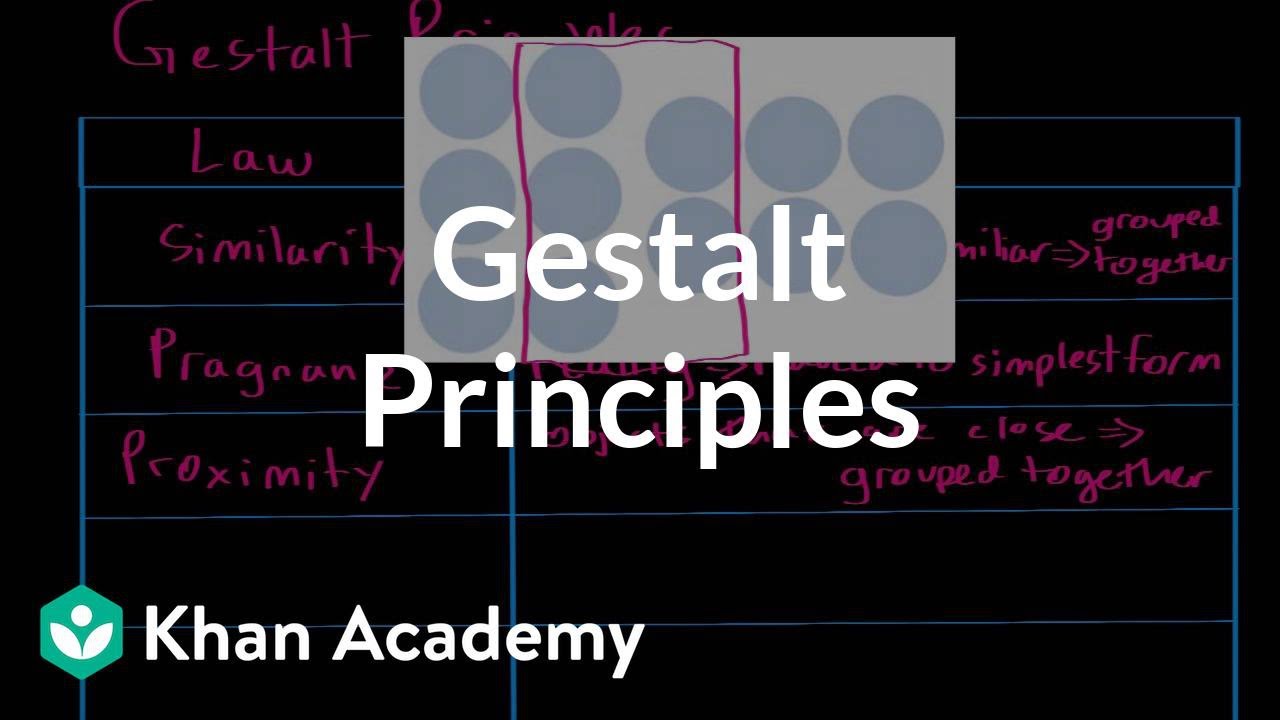
- 👥 Proximity and similarity principles cause objects that are close or similar to be grouped together in perception.
- 🔒 Closure principle allows incomplete figures to be perceived as complete, illustrating the brain's tendency to create order and meaning.
- 🌳 Individuals perceive the same physical environment differently; psychological reality is subjective and shaped by personal interpretation, not the objective world.
Q & A
What is the main focus of Gestalt psychology as discussed in the script?
-Gestalt psychology focuses on how the brain organizes sensory information into meaningful wholes or patterns, emphasizing that perception is not just a sum of individual parts but a holistic experience.
How does the brain process information according to Gestalt psychology?
-The brain processes sensory information through electrochemical activity, organizing and interpreting raw sensory input to create coherent, meaningful configurations, which are referred to as Gestalten (plural of Gestalt).
What does the principle of 'figure-ground' mean in Gestalt psychology?
-The 'figure-ground' principle refers to the ability to distinguish a figure from its background. The figure is the object of focus, while the background is less defined and encompasses everything not receiving attention.
Can you explain the principle of 'proximity' in Gestalt theory?
-The 'proximity' principle states that objects or stimuli that are close together tend to be perceived as a group or a whole. For example, lines or shapes near each other are perceived as part of a unified pattern.
What is the principle of 'continuity' in perception?
-The principle of 'continuity' suggests that stimuli that are visually continuous or connected are perceived as part of a single unit or configuration, even if individual elements are isolated.
What does the principle of 'closure' in Gestalt psychology mean?
-The 'closure' principle indicates that incomplete or fragmented stimuli are perceived as complete shapes or forms. Our brain fills in gaps to create a full, recognizable figure, such as seeing a triangle in an incomplete set of lines.
How does Gestalt psychology explain the simplicity of perception?
-Gestalt psychologists believe that our brains tend to organize and simplify sensory experiences into symmetrical, regular, and straightforward configurations, making the experience as organized and simple as possible.
How do Gestalt psychologists view the role of genetics in perception and brain activity?
-Gestalt psychologists do not attribute the organization of sensory input and brain activity to genetics. Instead, they believe that the brain organizes information in the simplest and most symmetrical way due to physical principles of how systems work.
What does the script mean by the 'environmental' and 'behavioral' environments?
-The 'environmental' environment refers to the physical world as it exists, while the 'behavioral' environment is the subjective, interpreted version of that world created by our brain. Our actions and experiences are based more on this interpreted reality than on the physical world itself.
How do Gestalt principles influence our perception of the world around us?
-Gestalt principles like figure-ground, proximity, continuity, and closure guide how we group and organize visual stimuli. These principles help the brain make sense of the world by creating coherent and simple perceptions, even in ambiguous or complex situations.
Outlines

このセクションは有料ユーザー限定です。 アクセスするには、アップグレードをお願いします。
今すぐアップグレードMindmap

このセクションは有料ユーザー限定です。 アクセスするには、アップグレードをお願いします。
今すぐアップグレードKeywords

このセクションは有料ユーザー限定です。 アクセスするには、アップグレードをお願いします。
今すぐアップグレードHighlights

このセクションは有料ユーザー限定です。 アクセスするには、アップグレードをお願いします。
今すぐアップグレードTranscripts

このセクションは有料ユーザー限定です。 アクセスするには、アップグレードをお願いします。
今すぐアップグレード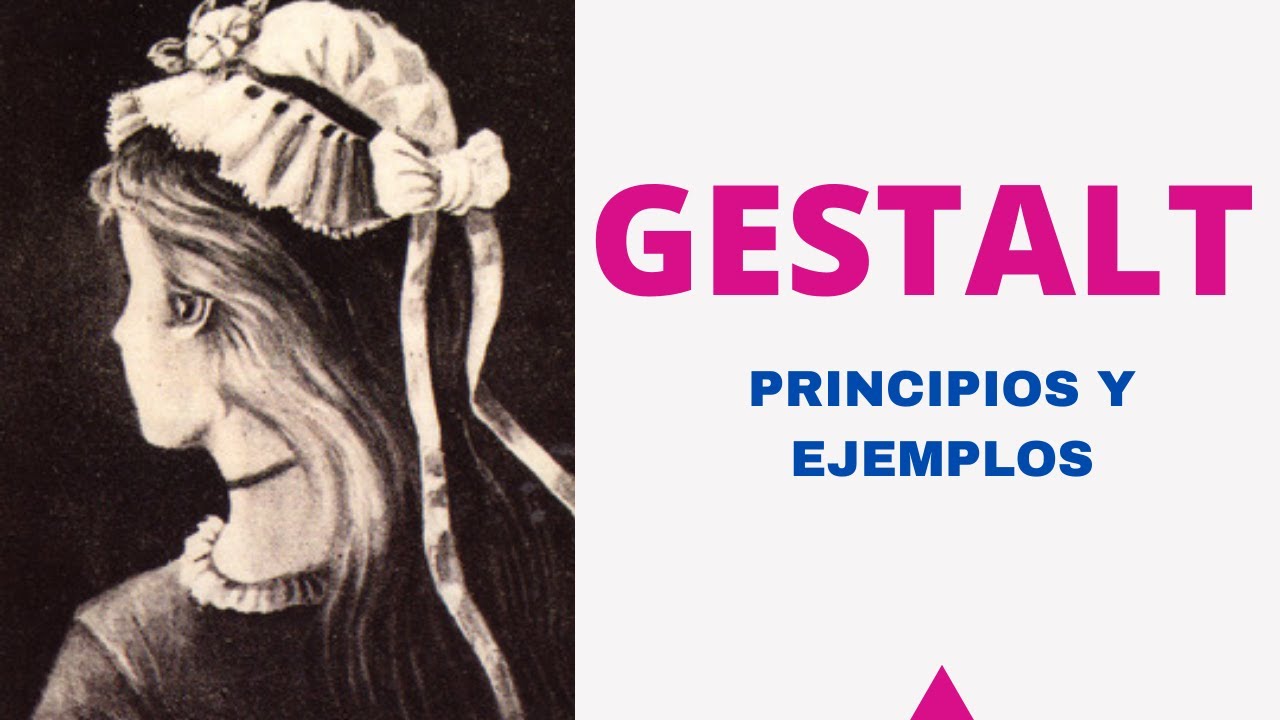




5.0 / 5 (0 votes)

