Linguagem, língua e gramática - Língua Portuguesa - Ensino Médio
Summary
TLDRIn this lesson, Taciana, a Portuguese language teacher, explores the evolution of language, from primitive communication in cavemen to modern forms. She explains the importance of understanding language theory to teach grammar effectively. The lesson covers verbal, non-verbal, and mixed forms of communication, including examples such as written words, music, and art. Taciana highlights the role of language codes, including the Portuguese language and Brazilian Sign Language (Libras), in shaping communication. She emphasizes how language reflects cultural, historical, and social contexts and stresses the need for formal grammar learning in school.
Takeaways
- 🗣️ Language is a tool for communication and the expression of ideas, evolving from primitive gestures and sounds to complex systems.
- 📜 There are three main types of language: verbal, non-verbal, and mixed (hybrid).
- ✍️ Verbal language uses words, either spoken or written, to communicate ideas, such as reading a newspaper or listening to the radio.
- 🎶 Non-verbal language communicates through feelings and emotions, often via music, art, or gestures, and is highly subjective.
- 🖼️ Mixed language combines verbal and non-verbal elements, like in comics or news broadcasts, for more effective communication.
- 💻 Digital language, common on social media and the internet, uses symbols and images to communicate emotions and messages efficiently.
- 🔤 A language code is a system of conventions and rules shared by a community, such as the Portuguese language among lusophone countries.
- 🌎 Portuguese has evolved differently in various countries due to historical, cultural, and social influences, including indigenous and African languages.
- 🤟 Brazilian Sign Language (Libras) is an official language in Brazil since 2002, representing the communication needs of the deaf community.
- 📚 Grammar and the normative rules of a language are tools to refine communication, even though natural communication is already mastered by native speakers.
- 💡 Understanding language involves recognizing its cultural, historical, and social context, which shapes the way people communicate.
Q & A
What is the main topic of the lesson presented in the script?
-The main topic of the lesson is 'language, language, and grammar,' which focuses on the theoretical aspects of language and communication.
Why does the teacher refer to the time of cavemen in the lesson?
-The teacher refers to the time of cavemen to illustrate the origins of language. Early humans used basic communication methods like gestures and sounds to express themselves, which marks the beginning of language development.
What are the three main types of language discussed in the lesson?
-The three main types of language discussed are verbal language, non-verbal language, and mixed language.
What is verbal language, and how is it used?
-Verbal language refers to communication through words, either spoken or written. Examples include reading a newspaper or listening to the radio, where the communication occurs through written or spoken words.
What does the teacher explain about non-verbal language?
-Non-verbal language is communication that does not use words but instead relies on other forms, such as music, art, or body language. For example, classical music can evoke emotional responses without words, highlighting its subjectivity.
What is the concept of mixed language?
-Mixed language, or hybrid language, combines verbal and non-verbal elements. For instance, a comic strip uses both text (verbal) and images (non-verbal) to convey a complete message.
Why is understanding the context of communication important in modern times?
-Understanding the context of communication is crucial, especially in the digital age. The internet and social media have introduced new ways of communicating, such as through emojis and images, which often convey deeper or more personal meanings than words alone.
How does the teacher explain the evolution of the Portuguese language?
-The teacher explains that the Portuguese language evolved through a blend of different cultures, including indigenous languages, African languages, and the Portuguese language itself, due to the historical context of colonization.
What is Brazilian Sign Language (Libras), and why is it important?
-Brazilian Sign Language (Libras) is an official language in Brazil, recognized since 2002. It is crucial for communication within the deaf community and represents a significant part of Brazil's linguistic and cultural diversity.
What role does grammar play in the context of communication?
-Grammar plays a key role in formal communication, especially in written and spoken language used in academic and professional settings. It helps ensure clarity and coherence in expressing ideas, but daily communication often bypasses strict grammar rules.
Outlines

このセクションは有料ユーザー限定です。 アクセスするには、アップグレードをお願いします。
今すぐアップグレードMindmap

このセクションは有料ユーザー限定です。 アクセスするには、アップグレードをお願いします。
今すぐアップグレードKeywords

このセクションは有料ユーザー限定です。 アクセスするには、アップグレードをお願いします。
今すぐアップグレードHighlights

このセクションは有料ユーザー限定です。 アクセスするには、アップグレードをお願いします。
今すぐアップグレードTranscripts

このセクションは有料ユーザー限定です。 アクセスするには、アップグレードをお願いします。
今すぐアップグレード関連動画をさらに表示

O que é SUBSTANTIVO? [Prof Noslen]

Como o LATIM evoluiu para o PORTUGUÊS? | História da Língua Portuguesa

Formação de palavras: outros processos – Língua Portuguesa – 8º ano – Ensino Fundamental

Ciclo de Debates 2026 - Debate 6 - «O EPE, um direito constitucional [...]» - Augusto Pascoal
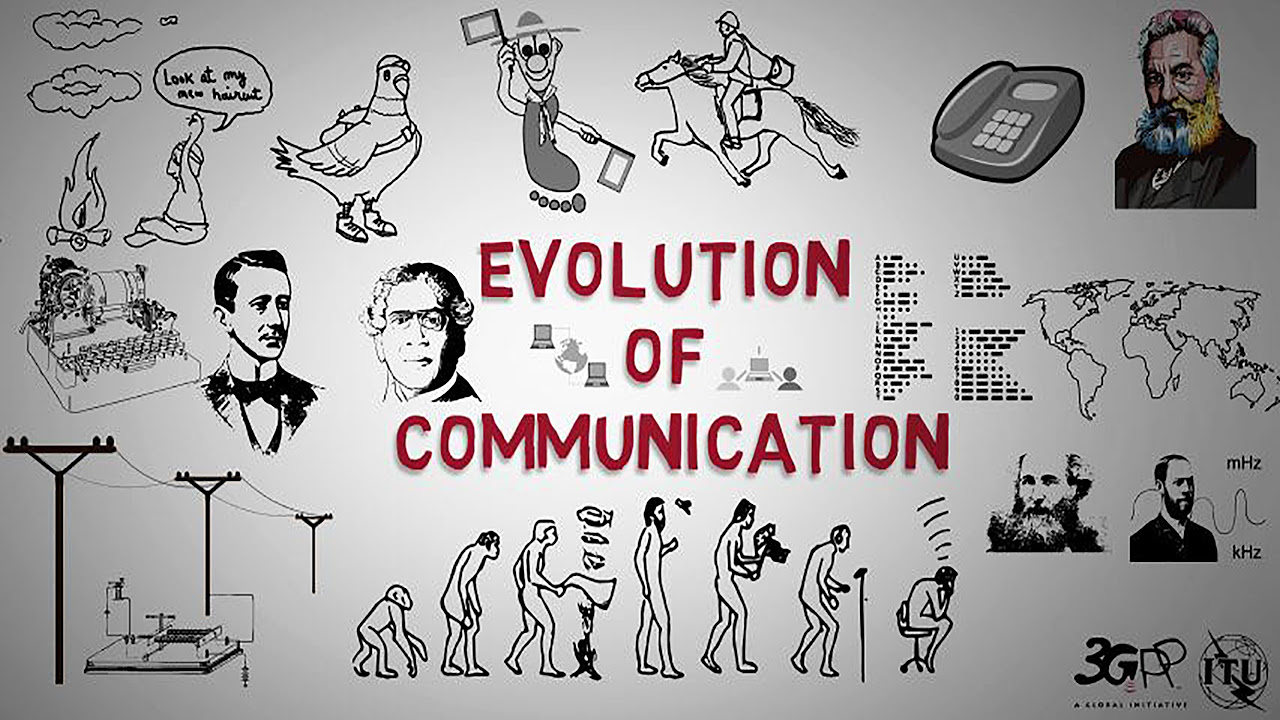
1.1 - EVOLUTION OF COMMUNICATION - STONE AGE TO MODERN AGE
Teknologi Informasi dan komunikasi (TIK) - Materi Prakarya kelas 8 bab 2
5.0 / 5 (0 votes)

