FASCINATING 1962 FILM ABOUT THE EU
Summary
TLDRThis video outlines the evolution of the European Union, emphasizing the vision of unity first presented by Winston Churchill. It traces Europe’s journey from division to collaboration, focusing on the establishment of the European Coal and Steel Community, the Common Market, and advancements in agriculture, industry, and atomic energy. The video highlights the benefits of economic integration, from job creation to improved living standards, while acknowledging the challenges of change. The EU's success in uniting diverse nations offers hope for broader global cooperation and peace, showcasing the power of shared ideals and collective action.
Takeaways
- 😀 Europe is a continent with a rich cultural and historical heritage, home to the great parent races of the western world, and the origin of Christianity, philosophy, and science.
- 😀 Sir Winston Churchill called for European unity, foreseeing that a united Europe would lead to immense happiness, prosperity, and glory for its people.
- 😀 In the modern era, Europe faces the challenge of unity to ensure its voice is heard in a world dominated by giants, and to overcome its historical divisions.
- 😀 The European Community (EC) began with six countries that sought to abolish barriers to trade, movement of people, and money, starting with coal and steel.
- 😀 The European Coal and Steel Community (ECSC) successfully united resources from six nations, laying the foundation for greater integration in the European economy.
- 😀 The creation of a common market for goods and services was a goal, with plans to eliminate all economic barriers by 1970, allowing free movement of goods, money, and people.
- 😀 European institutions, such as the Council of Ministers, European Commission, European Parliament, and the Court of Justice, work together to guide the integration process, with decisions carrying the force of law.
- 😀 Establishing a common market required overcoming complex barriers, such as customs tariffs and regulations. It took thousands of meetings and a great deal of patience to create a unified system.
- 😀 The EC's efforts in the coal and steel industries resulted in modernization, job creation, and economic growth, as seen in regions like Genoa, Italy, and the Barinage district in Belgium.
- 😀 The agricultural sector in Europe faced challenges with overproduction and poverty. The EC worked to streamline agricultural policies and improve farm incomes through technology, irrigation, and the free movement of farm produce.
- 😀 The EC helped bring industries and jobs to poorer regions, like southern Italy, by creating opportunities for movement of labor across borders and improving local economies through industrial growth.
- 😀 The European atomic energy program fostered collaboration among member countries in the peaceful use of atomic science, paving the way for future developments in energy, medicine, and technology.
- 😀 The European Community, while facing significant global challenges, is emerging as a new form of international cooperation, promoting peaceful unity and offering a model for global collaboration.
Q & A
What was Winston Churchill's vision for Europe that the transcript refers to?
-Winston Churchill envisioned a united Europe, where countries would share a common inheritance, promoting happiness, prosperity, and collective strength. This unity was seen as essential to ensure peace and to amplify Europe's voice on the global stage.
Which six countries initially formed the foundation of a united Europe?
-The six founding countries were Belgium, France, Italy, Luxembourg, the Netherlands, and West Germany, which started by pooling their coal and steel resources to overcome historical divisions and barriers.
What were the main objectives of the European Coal and Steel Community?
-The main objectives were to abolish trade barriers, integrate the coal and steel industries of the six founding countries, modernize production, and promote economic cooperation to prevent future conflicts.
How did the European Atomic Energy Community (Euratom) contribute to European integration?
-Euratom aimed to build a peaceful atomic energy industry in Europe, promoting shared research, development, and training across member states, ensuring that no single country bore the financial or scientific burden alone.
What role does the European Commission play in the governance of the European Community?
-The European Commission is responsible for proposing legislation and implementing decisions. It consists of nine commissioners who, once appointed, operate independently of national governments, ensuring impartial execution of community policies.
How did the Common Market simplify trade between member states?
-The Common Market abolished economic barriers, standardized customs duties, and simplified the handling of goods, reducing 26,000 customs categories from the six countries to a unified list of 6,000, enabling smoother trade and economic integration.
What examples does the transcript provide to show the economic impact of European integration?
-Examples include the modernization of steel plants in Genoa, which created jobs and housing, and the retraining of coal miners in Belgium, allowing them to adapt to new industries and maintain economic stability despite the closure of mines.
How did European integration affect agricultural policy?
-The community established a unified agricultural policy to ensure abundant food at reasonable prices, support farmers' incomes, modernize inefficient farms, reclaim arid land, and enable free movement of farm produce across member states.
What measures were taken to facilitate labor mobility within the European Community?
-Workers were allowed to move freely between member states, receive training for new jobs, maintain full pension and insurance benefits, and gain equal housing and employment rights, fostering equality and economic opportunity across borders.
How did the European Community promote scientific and technical collaboration?
-Through joint research centers like the one at Ispra in Italy, scientists from all member states worked together on atomic energy, medical applications, and other research, sharing knowledge and resources to achieve results that individual countries could not accomplish alone.
What role do education and schools play in the European integration process?
-European schools teach children in multiple languages and cultivate mutual understanding, helping young generations internalize European ideals and fostering a sense of shared identity, reducing cultural and language barriers.
What is the broader significance of the European Community according to the transcript?
-The European Community represents a new model of international cooperation, blending economic, political, and cultural integration. It aims to show that peaceful, united, and practical collaboration among nations can address shared challenges and contribute to a more stable world.
Outlines

このセクションは有料ユーザー限定です。 アクセスするには、アップグレードをお願いします。
今すぐアップグレードMindmap

このセクションは有料ユーザー限定です。 アクセスするには、アップグレードをお願いします。
今すぐアップグレードKeywords

このセクションは有料ユーザー限定です。 アクセスするには、アップグレードをお願いします。
今すぐアップグレードHighlights

このセクションは有料ユーザー限定です。 アクセスするには、アップグレードをお願いします。
今すぐアップグレードTranscripts

このセクションは有料ユーザー限定です。 アクセスするには、アップグレードをお願いします。
今すぐアップグレード関連動画をさらに表示

European Union: What is the EU?
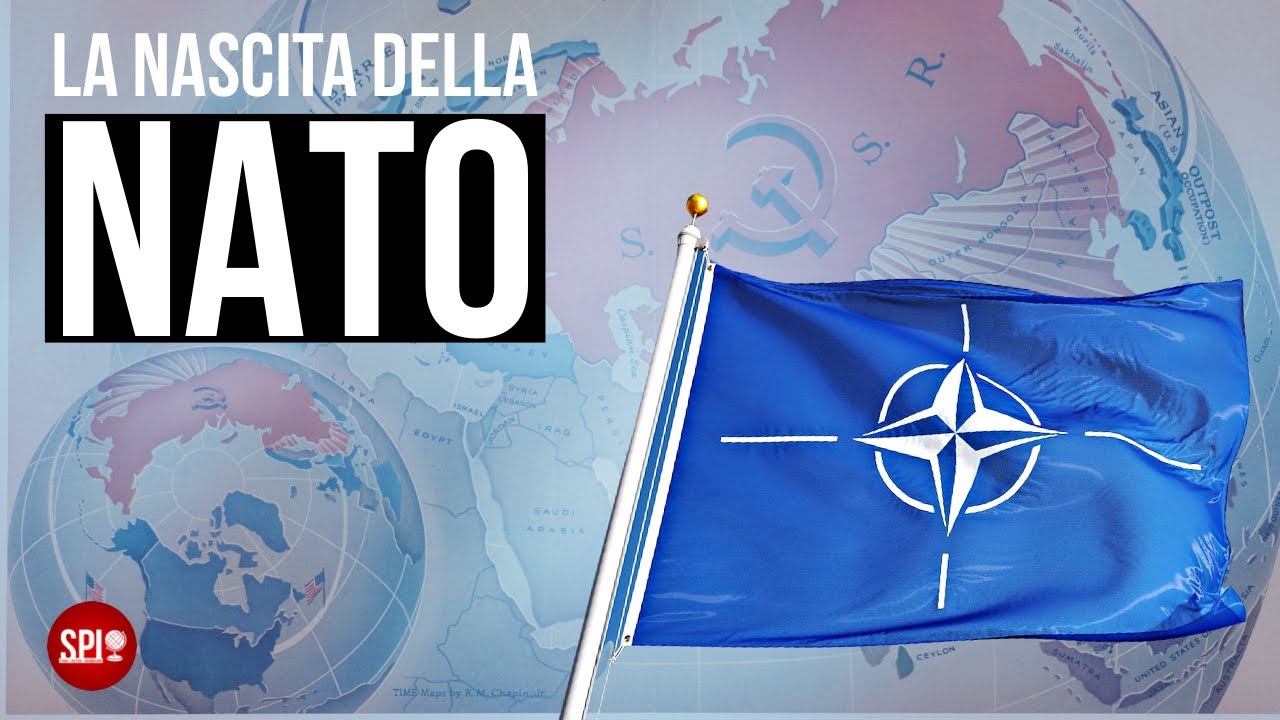
La nascita della NATO e il Patto di Varsavia: il mondo diviso

The EUROPEAN UNION, Explained [AP Euro Review—Unit 9 Topic 10]

Charismatic leadership style: All you need to know and why you should AVOID it!
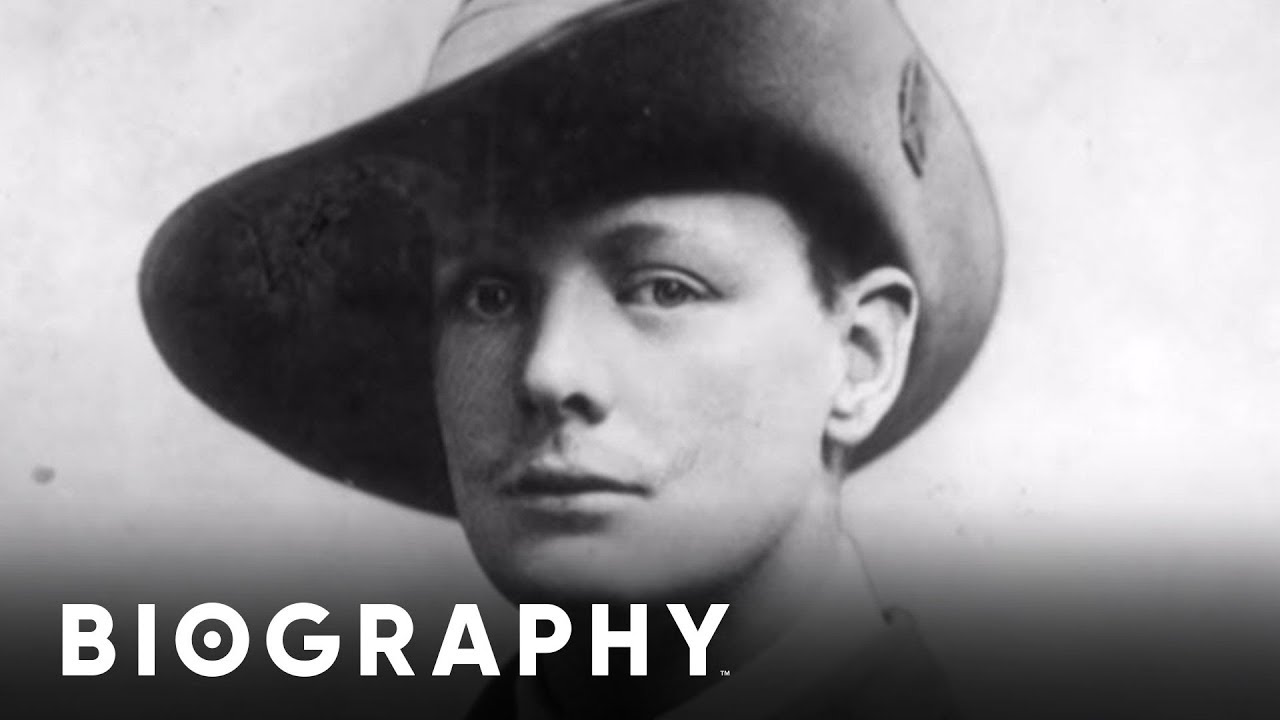
Winston Churchill - Prime Minister | Mini Bio | BIO
La carne sintetica è il futuro? Ecco come nasce la CARNE COLTIVATA in laboratorio
5.0 / 5 (0 votes)

