#SELARAS #2 "INTUBASI"
Summary
TLDRThis script provides an in-depth guide on airway management and endotracheal intubation procedures. It covers key indications, complications, and step-by-step instructions for preparing and performing intubation. Key points include protecting the airway, facilitating mechanical ventilation, and handling oxygen therapy. The process emphasizes the importance of proper equipment, including the endotracheal tube and laryngoscope, as well as pre-oxygenation and sedation. Additionally, it highlights safety measures, such as confirming family consent and ensuring appropriate monitoring during the procedure. This comprehensive guide is essential for healthcare professionals performing critical airway interventions.
Takeaways
- 🫁 Indications for endotracheal intubation include airway protection, relieving obstruction, oxygen therapy, mechanical ventilation, respiratory failure, shock, hyperventilation for increased intracranial pressure, reducing breathing effort, and facilitating secretion suctioning.
- ⚠️ Potential complications of intubation include hypoxia, hypocapnia, cardiovascular disturbances, trauma to teeth, lips, gums, pharynx, larynx, or trachea, malposition of the tube, gastric distension, aspiration, and bronchospasm or laryngospasm.
- 🛠 Proper preparation involves checking all necessary equipment, including laryngoscope, endotracheal tubes of appropriate size, lubricants, bag-valve-mask, stylet, connectors, sedative or paralytic medications, and head support if needed.
- 🧴 Use of personal protective equipment (PPE) such as gloves, mask, cap, and gown is mandatory to ensure safety during the procedure.
- 📄 Obtain written informed consent from the patient’s family before performing intubation.
- 💉 Ensure patient readiness by confirming airway patency, adequate oxygenation and ventilation, available intravenous access, and functioning monitors.
- 🫀 Preoxygenation with 100% oxygen for 2–3 minutes is recommended before intubation if time allows.
- 🤲 Positive pressure ventilation using a bag-mask should be performed with proper airway adjuncts, assessing sedation depth and ensuring correct technique.
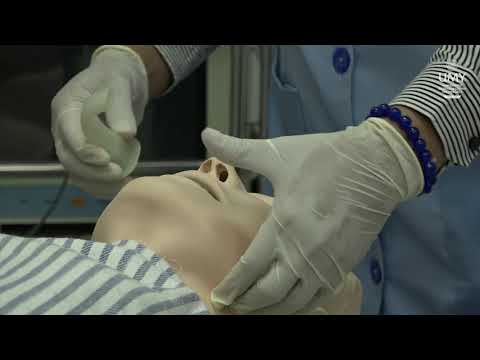
- 🔑 Endotracheal intubation steps include positioning the patient, inserting the laryngoscope, visualizing the vocal cords, passing the tube, inflating the cuff, verifying placement through auscultation and condensation, and securing the tube with tape.
- 🧍♂️ Assistance may be required for cricoid pressure during tube insertion, and careful handling of the laryngoscope and tube is essential to avoid trauma.
- 📏 Accurate tube placement must be confirmed by observing symmetrical breath sounds, condensation in the tube, and appropriate cuff inflation, followed by fixation at the correct position at the lips.
Q & A
What are the primary indications for performing endotracheal intubation?
-The primary indications include: 1) Airway protection, 2) Clearing the airway, 3) Administering oxygen therapy and mechanical ventilation, 4) Respiratory failure, 5) Shock, 6) Hyperventilation therapy for increased intracranial pressure, 7) Reducing respiratory effort, 8) Facilitating airway suctioning and bronchial lavage.
What are the common complications associated with endotracheal intubation?
-Common complications include: 1) Hypoxia and hypocapnia during the procedure, 2) Cardiovascular disturbances during and immediately after the procedure, 3) Trauma to the teeth, lips, and gums, 4) Malposition of the endotracheal tube, 5) Trauma to the pharynx, larynx, and trachea, 6) Gastric distension and aspiration, 7) Bronchospasm or laryngospasm.
What is the first step in performing endotracheal intubation?
-The first step is preparing the necessary equipment, which includes items such as a static, music, stethoscope, endotracheal tube (ETT), switch, lubricants, introducer (stylet), ventilator connector, and sedatives or anesthetics if needed.
Why is checking the airway and ensuring its patency important before intubation?
-Ensuring that the airway is clear and open is essential to facilitate proper intubation, ensure adequate oxygenation, and avoid complications such as airway obstruction or improper ventilation.
What does the pre-oxygenation step involve and why is it necessary?
-Pre-oxygenation involves administering 100% oxygen for 2-3 minutes before intubation. This step is important to maximize the oxygen reserves in the patient’s lungs, reducing the risk of hypoxia during the intubation process.
What are the key steps in the technique of mouth-to-mask ventilation?
-The key steps include: 1) The operator stands at the head of the bed, 2) Assesses the patient's consciousness or checks the corneal reflex, 3) Uses an oropharyngeal airway, 4) Performs positive pressure ventilation with a bag-mask device, 5) Ensures adequate ventilation by adjusting the volume and rate of breaths.
What is the purpose of the cricoid pressure during intubation?
-Cricoid pressure is applied by an assistant to compress the cricoid cartilage, helping to stabilize the airway and prevent aspiration by closing the esophagus during the intubation procedure.
How is the proper placement of the endotracheal tube confirmed after intubation?
-Proper placement is confirmed by listening to breath sounds with a stethoscope (checking for symmetry), inspecting for condensation in the tube during exhalation, and ensuring the tube is positioned correctly at the level of the lips (using fixation methods like tape).
What is the importance of choosing the right size endotracheal tube?
-Choosing the correct size ensures that the tube fits properly, allowing for effective ventilation without causing damage to the trachea or airway. It also helps reduce the risk of complications such as tube displacement or obstruction.
What safety precautions must be taken before performing intubation?
-Precautions include: 1) Ensuring the patient’s family has signed the intubation consent, 2) Ensuring the airway is open and oxygenation is adequate, 3) Ensuring intravenous access and monitoring equipment are available, 4) Using personal protective equipment (PPE), and 5) Confirming the preparation of the necessary tools and medications.
Outlines

このセクションは有料ユーザー限定です。 アクセスするには、アップグレードをお願いします。
今すぐアップグレードMindmap

このセクションは有料ユーザー限定です。 アクセスするには、アップグレードをお願いします。
今すぐアップグレードKeywords

このセクションは有料ユーザー限定です。 アクセスするには、アップグレードをお願いします。
今すぐアップグレードHighlights

このセクションは有料ユーザー限定です。 アクセスするには、アップグレードをお願いします。
今すぐアップグレードTranscripts

このセクションは有料ユーザー限定です。 アクセスするには、アップグレードをお願いします。
今すぐアップグレード関連動画をさらに表示



5.0 / 5 (0 votes)

