Analisis Gerobak Seblak -- Kritik Terhadap Kebijakan Publik
Summary
TLDRIndonesia's economy faces a growing crisis as small businesses (UMKM) dominate, driven by the decline of manufacturing industries and a lack of job opportunities. The shift to informal work, like selling street food, has become a survival tactic for many. Education fails to equip graduates with market-ready skills, leading to underemployment. The script argues for the revival of local industries, emphasizing the need for manufacturing and innovation to escape the 'middle-income trap.' The call to action urges the government to focus on industrial growth, infrastructure, and education reforms to secure a prosperous future.
Takeaways
- 🍲 Many Indonesians end up selling similar food items (gorengan, seblak, boba) because surviving day-to-day is the priority, not wealth creation.
- 🏭 Indonesia is experiencing 'early deindustrialization' where industries close before the country becomes wealthy, forcing people into informal jobs.
- 💸 Most UMKM (micro, small, and medium enterprises) are survival businesses, keeping people fed but not generating significant economic growth.
- 🔄 There is a poverty cycle where poor people mainly serve other poor people, limiting economic mobility and value creation.
- 📉 Local factories are closing due to competition from cheap imports, high electricity costs, and logistical challenges, leading to widespread unemployment.
- 🎓 Universities produce many graduates, but the industry cannot absorb them, resulting in underemployment where skills exceed job requirements.
- 🥡 Many young graduates become informal workers (like food vendors or ride-hailing drivers) not by choice, but due to lack of alternatives.
- 🌏 Indonesia’s potential as a strong economy is hindered by dependence on low-value production and lack of investment in technology and manufacturing.
- 🚀 Other countries like Vietnam, Japan, and Korea advanced by protecting and growing manufacturing, not by romanticizing small businesses.
- 🏗️ For real progress, UMKM should support strong industries, not replace them; industrial growth is essential for sustainable prosperity.
- ⚙️ A bold solution is to forcefully rebuild local manufacturing, protect domestic markets, and invest in education and applied research.
- 📚 Schools and universities need to align with industry needs to prevent creating graduates who cannot find meaningful employment.
- 💡 Indonesia Emas 2045 requires systemic change: building factories, supporting technology, and ensuring stable jobs—not relying solely on entrepreneurship.
- 📣 Citizens must advocate for policies that prioritize industry and economic independence, rather than being content with surviving hardship.
Q & A
Why do so many people in Indonesia sell similar food products like seblak, martabak, and boba?
-Many Indonesians sell similar food products because the majority of UMKM (micro, small, and medium enterprises) operate as a survival strategy rather than for wealth creation. Most are micro-businesses aimed at daily sustenance due to limited job opportunities in the formal sector.
What is the main problem with Indonesia's economy according to the script?
-The main problem is the hidden 'job apocalypse' caused by the decline of manufacturing industries, leading to fewer formal jobs. People are forced into the informal sector, often selling food or services with no long-term security.
What does 'lingkaran setan orang miskin' mean in the context of the video?
-It refers to the cycle where poor people serve other poor people, keeping money circulating within a small circle without adding new value or income from outside. This creates economic vulnerability and limits upward mobility.
Why are factories closing in Indonesia?
-Factories are closing due to competition with cheap imported goods, high electricity and logistic costs, and lack of government protection for local industries. Many factory owners choose to shut down local production and focus on imports instead.
How has the educational system contributed to the employment problem?
-The education system produces many graduates with theoretical knowledge that is often outdated and mismatched with industry needs. This creates a surplus of educated people who end up in informal jobs, underemployed, or stuck in low-skill roles like delivery services.
What does 'underemployment' mean as mentioned in the transcript?
-Underemployment occurs when individuals possess skills or qualifications beyond what their jobs require. For instance, highly educated graduates may work in low-skill, low-pay jobs because formal employment opportunities are insufficient.
What is the 'Indonesia Emas 2045' concept and why is it at risk?
-'Indonesia Emas 2045' is the vision of Indonesia becoming a top global economy by 2045. It is at risk because the country’s young workforce may lack proper industrial jobs, being trapped in informal or low-productivity work rather than in innovation and manufacturing.
What role should UMKM play in Indonesia’s economy according to the video?
-UMKM should support larger industries rather than being the primary economic engine. They are likened to spare tires, useful but insufficient alone. Strong manufacturing and innovation sectors are essential for sustainable national growth.
What is the suggested 'extreme step' to improve Indonesia’s economy?
-The extreme step is to stop pushing everyone into entrepreneurship and force the government to rebuild domestic manufacturing industries. This includes creating real industrial jobs, developing local technology, and protecting domestic markets from destructive imports.
How can education and industry be better aligned for Indonesia’s future?
-Education should focus on applied research and practical skills through SMKs and universities, creating graduates ready for real-world industrial jobs. This alignment ensures graduates can work in labs, offices, and factories, driving technological and industrial growth.
Why is relying solely on informal businesses like street food sales insufficient for Indonesia’s long-term prosperity?
-Relying only on informal businesses limits income potential, social security, and economic stability. It prevents mass innovation and industrial development, keeping the country in the 'middle-income trap' and unable to compete globally.
Outlines

このセクションは有料ユーザー限定です。 アクセスするには、アップグレードをお願いします。
今すぐアップグレードMindmap

このセクションは有料ユーザー限定です。 アクセスするには、アップグレードをお願いします。
今すぐアップグレードKeywords

このセクションは有料ユーザー限定です。 アクセスするには、アップグレードをお願いします。
今すぐアップグレードHighlights

このセクションは有料ユーザー限定です。 アクセスするには、アップグレードをお願いします。
今すぐアップグレードTranscripts

このセクションは有料ユーザー限定です。 アクセスするには、アップグレードをお願いします。
今すぐアップグレード関連動画をさらに表示
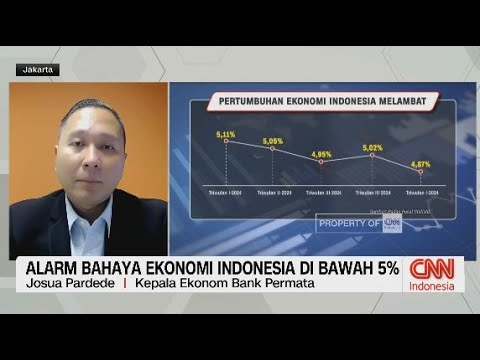
Alarm Bahaya Ekonomi Indonesia di Bawah 5%, Ekonom: Ini Masalah Struktural

Kalian Harus Tau! Inilah Dampak E-Commerce di Indonesia
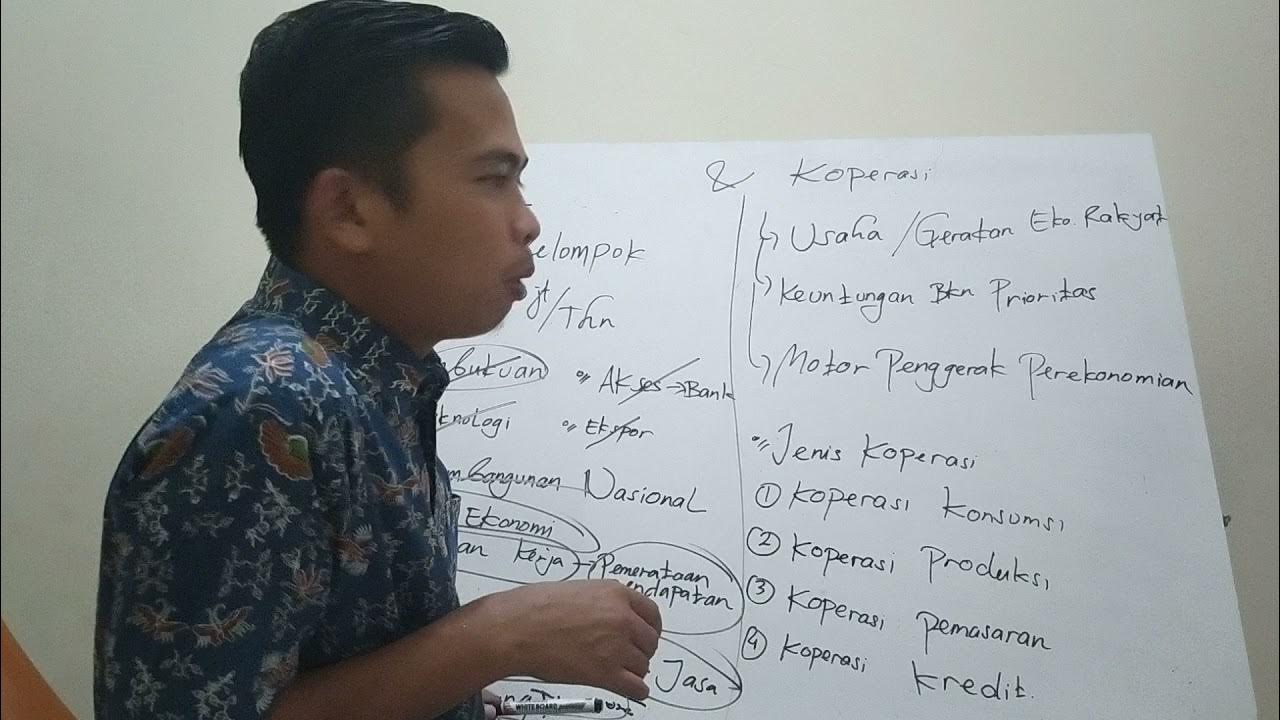
UMKM dan Koperasi

'5만6천개 폐업' 떠나거나 망하거나 '한국 제조업의 몰락'

Millions of men in their prime working age are leaving the labor force, creating a hole in the ma…

PERAN PEMERINTAH DALAM MENGATASI PENGANGGURAN DI INDONESIA | P5 KELOMPOK 4
5.0 / 5 (0 votes)

