Teaching Language Methods and Approaches | A Teacher master list of language teaching methods
Summary
TLDRThis video covers various ESL/EFL teaching methods, including the Functional-Notional Approach, the Direct Method, Suggestopedia, Grammar-Translation, and others. Each method is explored in terms of its key principles, goals, and application in the classroom. The video also introduces different techniques such as the Test-Teach-Test (TTT) method, Presentation-Practice-Production (PPP), and micro-teaching, emphasizing the importance of context, student autonomy, and effective feedback. The focus is on practical strategies for teachers to enhance language acquisition and communication skills, with a strong emphasis on real-life situations and student-centered learning.
Takeaways
- 😀 The Functional-Notional Approach focuses on real-life communication and the meaning of words over strict grammar rules, using functions (reasons to communicate) and notions (ideas/vocabulary).
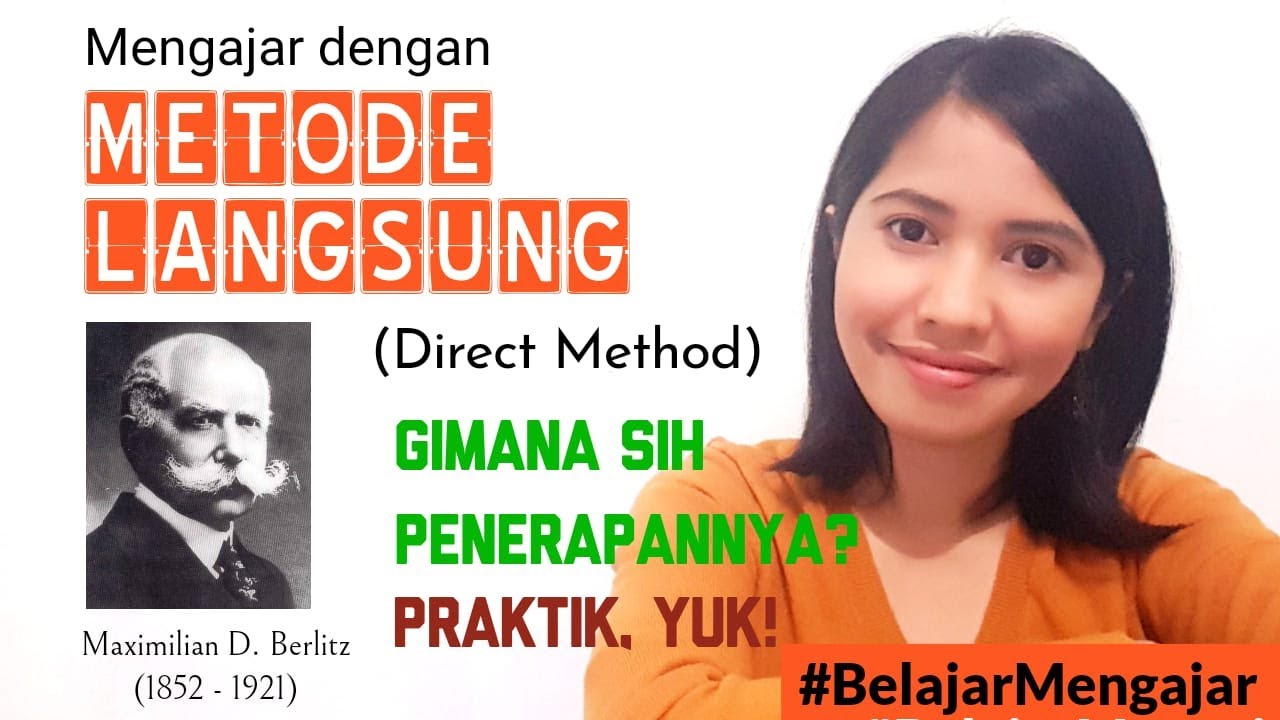
- 😀 The Direct Method emphasizes listening and speaking in the target language, aiming for learners to think and speak without translating from their native language.
- 😀 Suggestopedia creates a relaxed, playful classroom environment to reduce anxiety and enhance learning, often using music while introducing grammar and vocabulary.
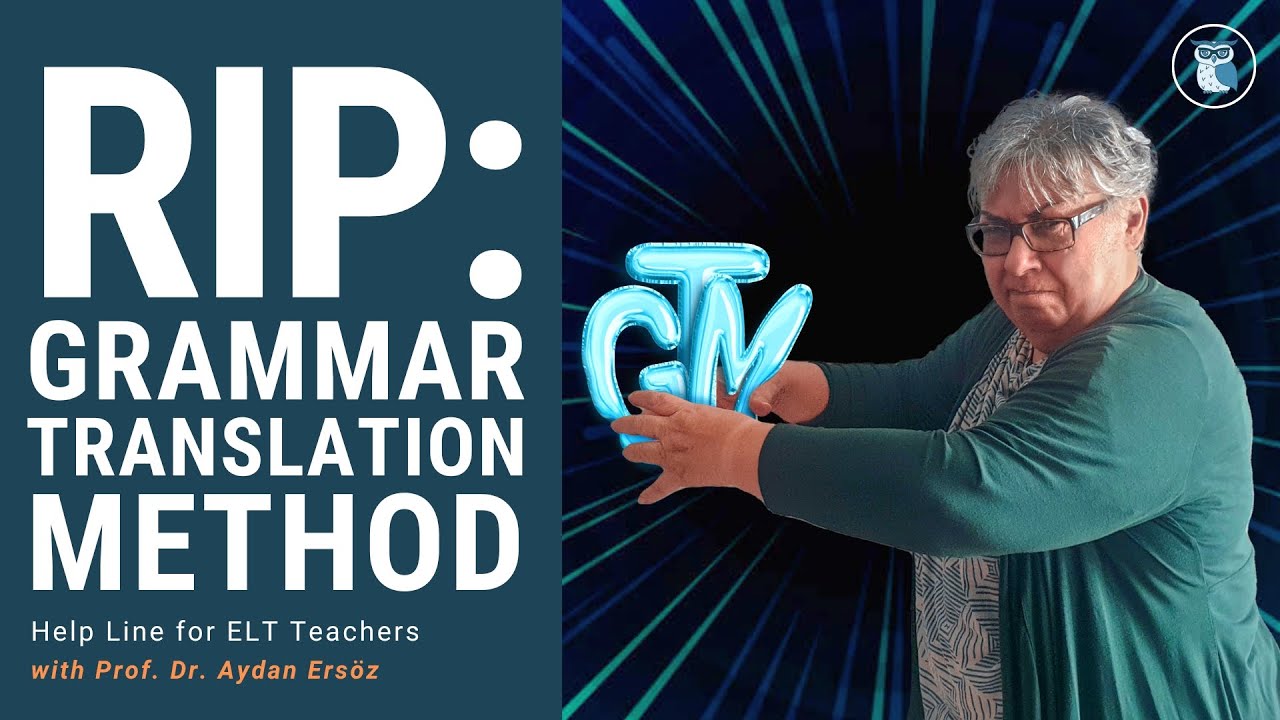
- 😀 The Grammar-Translation Method focuses on reading, translating, and memorizing vocabulary and grammar, with minimal attention to speaking or pronunciation.
- 😀 The Audio-Lingual Method forms language habits through repetition, drills, and structured dialogues, starting with speaking/listening before moving to reading/writing.
- 😀 The Structural Approach teaches grammar rules in a specific sequence, building from simpler to more complex forms, covering all four language skills.
- 😀 The Bilingual Method uses both the students' native language and the target language, which can aid beginners, clarify grammar, and save time, but may cause confusion at higher levels.
- 😀 The Situational Approach teaches language structures in specific situations, focusing on repetition and error correction, but may limit creative language use.
- 😀 The Test-Teach-Test (TTT) approach first assesses learners’ knowledge, teaches gaps, then reassesses to ensure understanding, useful for grammar and vocabulary points.
- 😀 Presentation-Practice-Production (PPP) guides learners through presenting a language point, controlled practice exercises, and freer production activities like discussions or games.
- 😀 Micro-Teaching involves short, recorded teaching sessions with a few students, aimed at receiving constructive feedback from peers or supervisors to improve teaching skills.
Q & A
What is the main principle of the Functional Notional Approach in language teaching?
-The Functional Notional Approach emphasizes communication and real-life situations, prioritizing the meaning of words over strict grammatical structures. It focuses on functions (reasons for communicating) and notions (ideas, grammar, and vocabulary).
How does the Direct Method differ from the Grammar-Translation Method?
-The Direct Method focuses on listening and speaking through immersion in the target language without translation, while the Grammar-Translation Method focuses on reading, translating texts, memorizing vocabulary, and learning grammar, often with little emphasis on speaking or pronunciation.
What is the role of music in Suggestopedia?
-In Suggestopedia, music is used to create a relaxed and positive classroom atmosphere. Students follow along with texts while listening to music to enhance comfort and learning.
Why is student autonomy important in the Functional Notional Approach?
-Student autonomy allows learners to take responsibility for their own learning. The teacher acts as a guide, but students make decisions, which increases motivation and engagement with real-life language use.
What are the four types of dialogues in the Audio-Lingual Method?
-The four types are: 1) Repetition – students repeat patterns, 2) Inflection – a word changes in a pattern, 3) Replacement – students substitute words in patterns, and 4) Restatement – students express sentences in different ways.
What is the key sequence in the Presentation-Practice-Production (PPP) method?
-PPP consists of three stages: 1) Presentation – teacher introduces the language, 2) Practice – controlled exercises, 3) Production – freer use of the language in discussions or activities.
What are the advantages and disadvantages of the Bilingual Method?
-Advantages: helps achieve fluency, saves time, promotes accuracy, and is easy to teach. Disadvantages: can cause confusion between languages, less useful for higher-level students, may lead to pronunciation issues, and can encourage blended language use.
How does Test-Teach-Test (TTT) work in an ESL classroom?
-TTT involves three stages: first, students complete a test or task to assess current knowledge; second, the teacher teaches to address gaps; third, another test or task checks for learning gains. This method helps target instruction based on student needs.
What is micro-teaching and what is its purpose?
-Micro-teaching is a short, recorded teaching session with a few students, designed to receive constructive feedback from mentors, peers, or supervisors. Its purpose is to improve teaching skills through reflection and critique.
Why does the Situational Approach emphasize repetition and error correction?
-The Situational Approach views language as habit formation, so repetition reinforces correct patterns, and error correction prevents mistakes from becoming fossilized. The approach focuses on high-frequency vocabulary and structured oral practice.
How does the Structural Approach organize grammar teaching?
-The Structural Approach teaches grammar rules in a specific sequence, starting with simple forms (e.g., simple present) and progressing to more complex structures (e.g., present continuous), ensuring that each step builds on previous knowledge.
What types of classroom activities are commonly used in the Functional Notional Approach?
-Common activities include role-plays simulating real-life situations, information-gap exercises where students must exchange information, and task-based learning projects that encourage practical communication.
Outlines

このセクションは有料ユーザー限定です。 アクセスするには、アップグレードをお願いします。
今すぐアップグレードMindmap

このセクションは有料ユーザー限定です。 アクセスするには、アップグレードをお願いします。
今すぐアップグレードKeywords

このセクションは有料ユーザー限定です。 アクセスするには、アップグレードをお願いします。
今すぐアップグレードHighlights

このセクションは有料ユーザー限定です。 アクセスするには、アップグレードをお願いします。
今すぐアップグレードTranscripts

このセクションは有料ユーザー限定です。 アクセスするには、アップグレードをお願いします。
今すぐアップグレード


5.0 / 5 (0 votes)

