#22 Cerah Muda | Ramadhan adalah Madrasah Kehidupan | Ustadzah Islakha (Guru Al Islam)
Summary
TLDRThis video emphasizes the spiritual and moral lessons of Ramadan. It highlights the importance of fasting as an act of obedience to Allah, as prescribed in the Quran. The speaker explains that Ramadan teaches patience, honesty, social care, and discipline. By fasting, individuals learn to control desires, improve character, and foster a sense of community. The ultimate goal is not just to observe rituals, but to carry the values of Ramadan into everyday life, continuing to grow in faith, kindness, and self-discipline beyond the month of fasting.
Takeaways
- 😀 Ramadan is a divine command from Allah to fast, as stated in Surah Al-Baqarah (2:183).
- 😀 Fasting is a way to attain taqwa (piety) by learning to control desires and actions.
- 😀 Patience is one of the key lessons of Ramadan, as fasting teaches us to control even our halal desires.
- 😀 Ramadan is a time to practice sincerity and honesty, as fasting is between the individual and Allah alone.
- 😀 True fasting involves more than abstaining from food and drink; it also requires moral discipline and controlling one's behavior.
- 😀 Ramadan encourages social awareness and compassion, as it reminds us of the hunger of the less fortunate.
- 😀 Being charitable and helping others are important aspects of Ramadan, promoting a spirit of sharing.
- 😀 The spiritual benefits of Ramadan extend beyond the month, reflected in improved prayers, behavior, and social compassion.
- 😀 Successful fasting results in the improvement of character and a deeper connection with Allah.
- 😀 Ramadan is an opportunity to reform our habits, improve discipline, and enhance our personal conduct.
- 😀 The ultimate success in Ramadan is when the positive changes made during the month continue after it ends.
Q & A
What is the primary purpose of Ramadan according to the transcript?
-The primary purpose of Ramadan is to serve as a 'madrasah of life,' teaching believers to develop piety (taqwa) through fasting, self-discipline, and spiritual growth.
Which Quranic verse is cited in the transcript to explain the obligation of fasting?
-Surah Al-Baqarah, verse 183 is cited, which commands fasting for those who believe, as it was prescribed for previous generations, to cultivate taqwa.
What is meant by 'taqwa' in the context of fasting?
-Taqwa refers to being conscious of Allah, striving to avoid sin, and performing acts of worship sincerely, aiming to please Allah alone.
How does Ramadan teach patience according to the transcript?
-Fasting trains individuals to restrain themselves from lawful desires such as food and drink, which cultivates patience and the ability to face life's challenges calmly.
What role does honesty and sincerity play in fasting?
-Fasting is an act of worship known only to Allah, which encourages believers to perform actions sincerely for Allah's sake rather than seeking praise from others.
How does fasting during Ramadan encourage social care?
-Experiencing hunger and thirst increases empathy for those in need, motivating believers to engage in charity, sharing, and helping others.
What are the aspects of discipline highlighted in the transcript?
-Discipline in Ramadan involves observing prayer times, controlling speech, managing emotions, maintaining good behavior, and improving overall character.
According to the transcript, what signifies true fasting beyond abstaining from food and drink?
-True fasting includes controlling one's tongue, maintaining good behavior, restraining anger, and improving moral conduct, not just refraining from eating or drinking.
What indicates the success of Ramadan in a believer's life?
-Success is shown when the increased worship, improved character, and social care cultivated during Ramadan continue beyond the month itself.
What is the final message or call to action in the transcript?
-The final message is to compete in doing good deeds, continually strive for personal growth, and become more pious and beneficial to others.
Why is fasting described as a 'madrasah of life'?
-Because it teaches practical life lessons such as patience, honesty, social responsibility, discipline, and moral improvement, preparing believers for challenges beyond Ramadan.
How does Ramadan influence a believer's relationship with others?
-By fostering empathy, charity, and social care, Ramadan strengthens bonds with the community and encourages helping those in need.
Outlines

このセクションは有料ユーザー限定です。 アクセスするには、アップグレードをお願いします。
今すぐアップグレードMindmap

このセクションは有料ユーザー限定です。 アクセスするには、アップグレードをお願いします。
今すぐアップグレードKeywords

このセクションは有料ユーザー限定です。 アクセスするには、アップグレードをお願いします。
今すぐアップグレードHighlights

このセクションは有料ユーザー限定です。 アクセスするには、アップグレードをお願いします。
今すぐアップグレードTranscripts

このセクションは有料ユーザー限定です。 アクセスするには、アップグレードをお願いします。
今すぐアップグレード関連動画をさらに表示

RAMADHAN: BULAN PENDIDIKAN KARAKTER - USTADZ HUSAENI, B.A. - CERAMAH SINGKAT RAMADHAN

Kultum Ramadhan 1447 H YASPIA / PONPES AL 'IMAROH oleh KH. Drs. Solehun Kurniawan, M.Pd.I

Ramadhan Bulan Tarbiyah _ Sahabat Madrasah _ Dra. Hj. ANI MULYANURANI

#24 Cerah Muda | Keikhlasan dan Kesabaran | Ustadzah Muthia
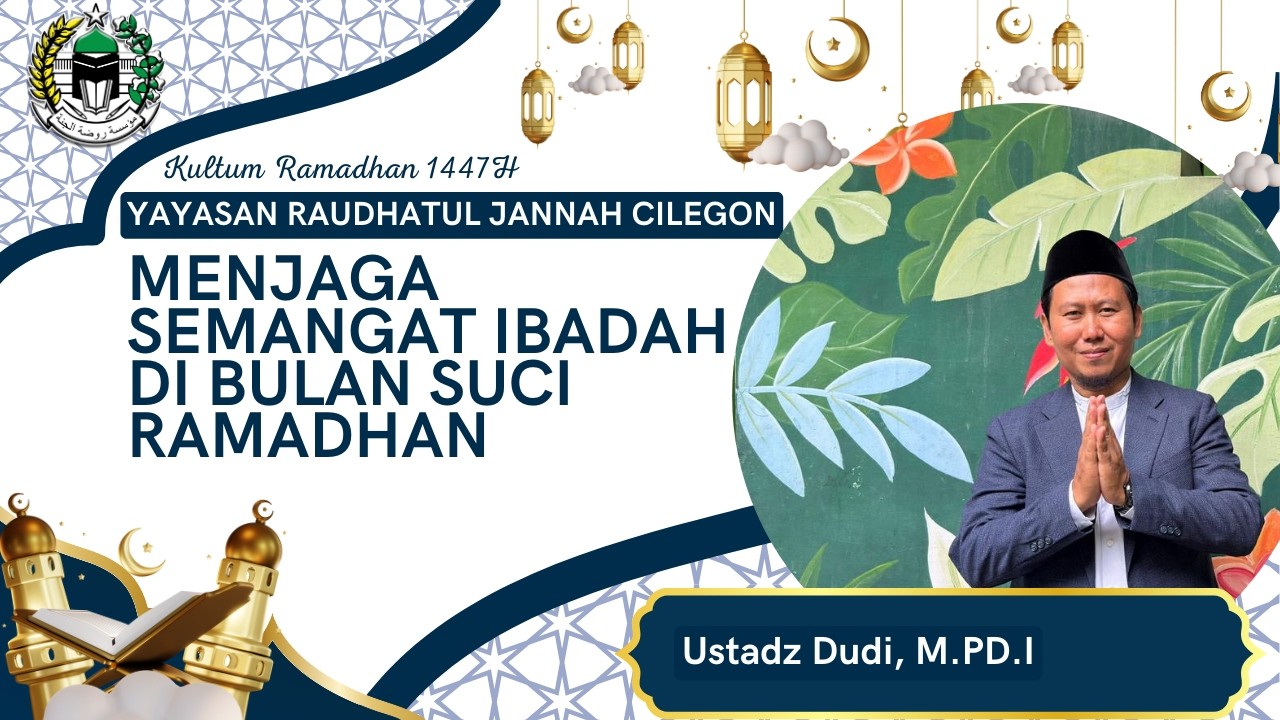
Kultum Ramadhan 1447 H || Ramadhan Ke-18|| Menjaga Semangat Di Bulan Ramadhan - Ustadz Dudi, M.Pd.I

TAFAKUR RAMADHAN - Eps.015 : Ramadhan Bulan Tarbiyah - Ibu Haris Ilmawati., S.Pd.I
5.0 / 5 (0 votes)

