Lean principles for small businesses: Cutting Waste and Maximizing Profit #leanprinciples
Summary
TLDRThis video explores how small businesses can apply lean manufacturing principles to boost efficiency and profitability. Despite lean principles often being associated with large companies, they are highly effective for small businesses, where even small inefficiencies can lead to significant financial losses. By identifying and eliminating waste—such as overordering, unnecessary motions, or waiting times—small businesses can streamline operations. The video offers practical advice on implementing lean techniques like just-in-time inventory and continuous improvement, showing real-world examples of businesses benefiting from these approaches.
Takeaways
- 😀 Lean manufacturing principles are not just for large companies; they can be incredibly effective for small businesses as well.
- 😀 Small businesses can benefit greatly from eliminating waste, as every dollar saved directly impacts the bottom line.
- 😀 The seven types of waste (TIMWOOD) that lean manufacturing aims to eliminate are: Transportation, Inventory, Motion, Waiting, Overproduction, Overprocessing, and Defects.
- 😀 Waste in small businesses can come in many forms, such as extra trips to the store, overstocked inventory, unnecessary tasks, or frustrated customers waiting too long.
- 😀 Lean thinking is all about eliminating anything that doesn't add value to the customer experience.
- 😀 Just-in-time inventory helps save money and storage space by purchasing only what’s needed, rather than overstocking.
- 😀 Kaizen, or continuous improvement, encourages small, incremental changes over time, leading to significant long-term benefits.
- 😀 The pulse system ensures that you only produce or order products when there is actual demand, preventing waste from overproduction.
- 😀 Small improvements, such as reducing email response times or moving tools closer, can make a big difference in efficiency.
- 😀 Start with one small change—pick one waste to reduce and implement one lean principle. Avoid overhauling everything at once.
- 😀 Lean is not a one-time fix but an ongoing mindset, continuously seeking opportunities to improve efficiency and reduce waste.
Q & A
What is lean manufacturing and how does it apply to small businesses?
-Lean manufacturing is a system that focuses on reducing waste and increasing efficiency in production processes. While it's often associated with large companies, lean principles are highly applicable to small businesses as they help reduce waste, improve processes, and increase profitability with every small improvement.
Why do small business owners often think lean manufacturing is only for large companies?
-Small business owners often associate lean manufacturing with large companies because of its origin in big factories with advanced technology like robots and conveyor belts. However, lean principles are universal and can be scaled down for small businesses to improve efficiency.
What are the seven types of waste in lean manufacturing, and how do they affect small businesses?
-The seven types of waste in lean manufacturing, remembered by the acronym TIMWOOD, are: Transportation, Inventory, Motion, Waiting, Overproduction, Overprocessing, and Defects. In small businesses, these wastes result in unnecessary costs and time delays, such as excess inventory, wasted movement, or customer waiting times.
How can small business owners identify and eliminate waste in their operations?
-Small business owners can identify waste by documenting their workflow and visually mapping their processes. By paying attention to daily activities, they can spot inefficiencies such as extra trips for supplies or unnecessary steps in customer service.
What is 'Just in Time' inventory, and how can small businesses implement it?
-'Just in Time' inventory means ordering or producing only what’s needed, when it’s needed, to avoid overstocking. Small businesses can implement this by calculating their regular usage of supplies and ordering them accordingly, rather than buying in bulk to save money.
What does Kaizen mean, and how can it benefit small businesses?
-Kaizen is a Japanese term that means continuous improvement. For small businesses, it means making small, incremental changes that can add up over time. Whether it’s improving response times to emails or organizing tools more efficiently, these micro-improvements lead to greater efficiency and profitability.
What is a 'pulse system' in lean manufacturing?
-A pulse system refers to producing or ordering goods only when there is actual demand for them. This eliminates the waste of producing too much and ensures that small businesses are only using resources as needed.
How did Maria’s bakery apply lean principles to improve her business?
-Maria, the bakery owner, implemented lean principles by mapping her workflow and realizing that she could batch common ingredients and switch to made-to-order specialty items. This saved her 20% of morning prep time, reduced waste, and allowed her to start work later with fresher products.
What is the best approach for small business owners to start implementing lean principles?
-The best approach is to start small by focusing on one specific waste from the TIMWOOD categories and applying one lean principle. For example, begin with reducing motion waste by organizing tools to be within easier reach or adjusting inventory levels. Measure results and make continuous, small improvements.
What are the common pitfalls small business owners face when implementing lean principles?
-Common pitfalls include trying to change too much at once, treating lean as a one-time project instead of an ongoing mindset, and failing to track results to measure the effectiveness of changes. It’s important to approach lean with patience and a focus on continuous improvement.
Outlines

このセクションは有料ユーザー限定です。 アクセスするには、アップグレードをお願いします。
今すぐアップグレードMindmap

このセクションは有料ユーザー限定です。 アクセスするには、アップグレードをお願いします。
今すぐアップグレードKeywords

このセクションは有料ユーザー限定です。 アクセスするには、アップグレードをお願いします。
今すぐアップグレードHighlights

このセクションは有料ユーザー限定です。 アクセスするには、アップグレードをお願いします。
今すぐアップグレードTranscripts

このセクションは有料ユーザー限定です。 アクセスするには、アップグレードをお願いします。
今すぐアップグレード関連動画をさらに表示
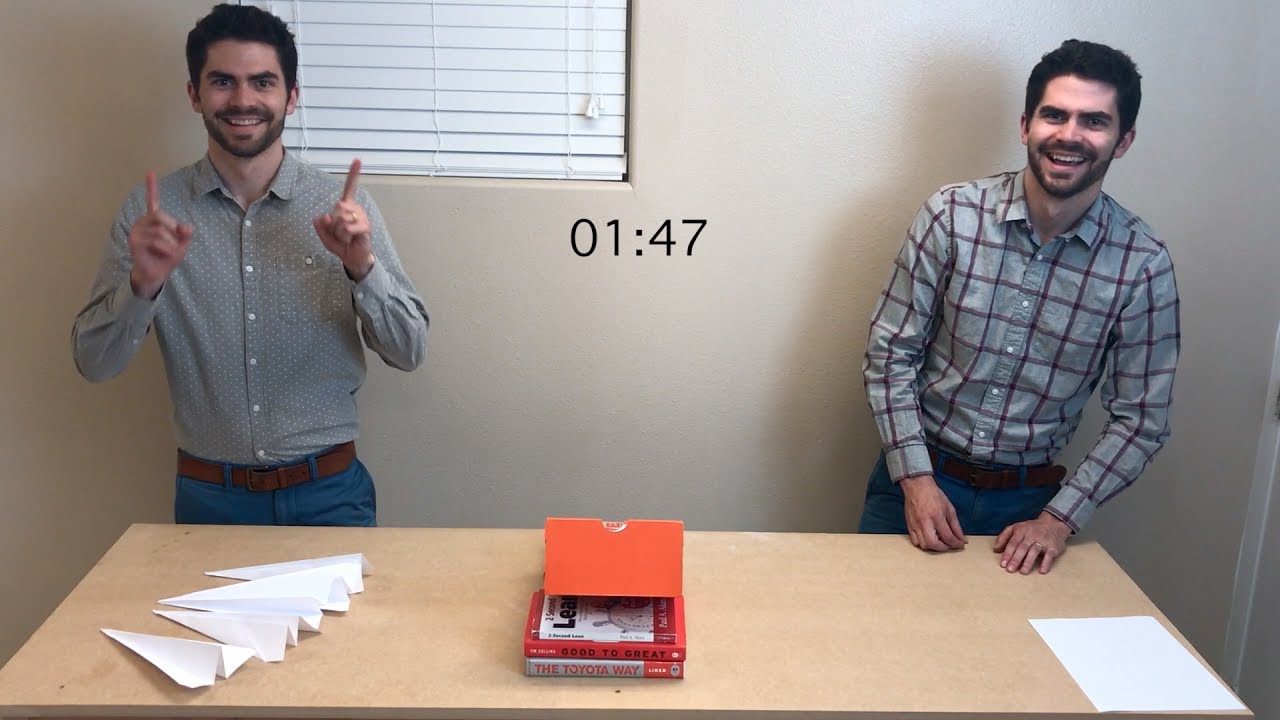
Lean Manufacturing One Piece Flow vs. Mass Production Paper Airplane Simulation (Lean Tip 005)
UNDERSTAND MANUFACTURING ACCOUNTS WITHIN 10 MINUTES!!!
Essential Strategies for Increasing Production Efficiency
4.1 Production of goods and services IGCSE Business Part 1

What is Corporate Social Responsibility?

Apa itu CRM?
5.0 / 5 (0 votes)

