6 Simple Japanese Mindset to Master Self-Discipline
Summary
TLDRThe video delves into the essence of Japanese discipline, offering six principles that form the foundation of a disciplined mindset. It challenges the common notion of harsh rules, instead emphasizing a deeper, more internal sense of integrity and virtue. Key principles include living with Otento sama (a divine witness), accumulating toku (virtue), embracing impermanence through the Sakura mindset, maintaining a beginner’s mind (shin), enduring hardships with gammon, and always rising after failure (fall seven times, rise eight). These teachings guide individuals to develop self-respect, resilience, and personal growth through daily actions.
Takeaways
- 😀 True Japanese discipline is about developing inner strength and integrity, not about harsh punishment or external control.
- 😀 The principle of Otento sama teaches that you should behave well not because others are watching, but because your actions are seen by something greater than yourself.
- 😀 Accumulating 'toku' (virtue) is a concept in Japanese thinking where every positive action adds to your moral merit and shapes your character.
- 😀 The Sakura mindset emphasizes appreciating the beauty of impermanence, teaching that everything valuable in life is fleeting and should be cherished while it lasts.
- 😀 'Shin' or beginner's mind advocates for maintaining openness and humility, even as you gain experience, recognizing there is always more to learn.
- 😀 The principle of 'Gaman' teaches endurance through difficult times with patience, dignity, and perseverance, without complaining or giving up.
- 😀 The saying 'Fall seven times, rise eight' encourages resilience, highlighting that true failure only occurs when you stop trying after setbacks.
- 😀 These six principles (Otento sama, Toku, Sakura, Shin, Gaman, Fall seven times, rise eight) form a cohesive mindset that guides you toward living with discipline and integrity.
- 😀 The foundation of Japanese discipline is not about external rules but about cultivating an inner quality of self-discipline that shapes your character over time.
- 😀 To practice these principles, you don’t need to master them all at once—start with one and gradually integrate it into your life, building a disciplined character over time.
Q & A
What does the concept of 'Otento sama' represent in Japanese culture?
-'Otento sama' refers to the sun but symbolizes a divine witness that sees everything you do, even when no one else is around. It teaches the importance of behaving well not because someone might catch you, but because your actions are always seen by something greater than yourself.
How does the 'Otento sama' principle influence a person's behavior?
-The 'Otento sama' principle encourages individuals to act with integrity, whether they are in public or private. It fosters a sense of self-respect and a commitment to doing the right thing even when no one is watching.
What is the concept of 'toku' in Japanese discipline?
-'Toku' is a concept that can be translated as virtue or moral merit. It is accumulated through daily actions like kindness, honesty, and hard work without seeking recognition. The more positive actions you take, the more 'toku' you build, shaping who you become as a person.
How does the 'Sakura mindset' influence how Japanese people view life?
-The 'Sakura mindset' is rooted in the appreciation of impermanence, as seen with cherry blossoms that bloom beautifully but only last for a short time. This mindset teaches people to appreciate the present moment, cherish relationships, and embrace change rather than resist it.
How does understanding the impermanence of life help individuals?
-By understanding that everything is temporary, people learn to appreciate what they have right now and embrace life's changes, whether they are positive or negative. It also helps develop resilience during difficult times, knowing that hardships will pass.
What does 'shin' or 'beginner's mind' mean in the context of learning?
-'Shin' refers to maintaining the openness, humility, and eagerness of a beginner when learning something new. This mindset allows continuous growth and prevents individuals from becoming rigid or closed-minded as they gain more experience.
Why is it important to maintain 'shin' throughout life?
-Maintaining 'shin' helps individuals stay open to new ideas and experiences, fostering lifelong learning. Even experts in their fields continue to approach each day with a beginner's mindset, recognizing there is always something new to learn.
What does the Japanese concept of 'gammon' teach us?
-'Gammon' refers to enduring difficult circumstances with patience, dignity, and perseverance. It encourages people to accept hardships without complaining and continue forward, trusting that persistence will lead to a better outcome.
How does the principle of 'fall seven times, rise eight' relate to resilience?
-This principle teaches that failure is not the end. No matter how many times you fall or face setbacks, as long as you get up one more time, you have not truly failed. It emphasizes the importance of persistence and learning from failure.
How do the six principles of Japanese discipline contribute to character development?
-These principles work together to cultivate an inner discipline that guides individuals toward their best selves. Each principle helps build integrity, resilience, humility, and a mindset focused on long-term growth, ultimately shaping a disciplined and strong character.
Outlines

このセクションは有料ユーザー限定です。 アクセスするには、アップグレードをお願いします。
今すぐアップグレードMindmap

このセクションは有料ユーザー限定です。 アクセスするには、アップグレードをお願いします。
今すぐアップグレードKeywords

このセクションは有料ユーザー限定です。 アクセスするには、アップグレードをお願いします。
今すぐアップグレードHighlights

このセクションは有料ユーザー限定です。 アクセスするには、アップグレードをお願いします。
今すぐアップグレードTranscripts

このセクションは有料ユーザー限定です。 アクセスするには、アップグレードをお願いします。
今すぐアップグレード関連動画をさらに表示

Give Me 14 Minutes, You’ll Beat 97% of People !! Japanese Mindset
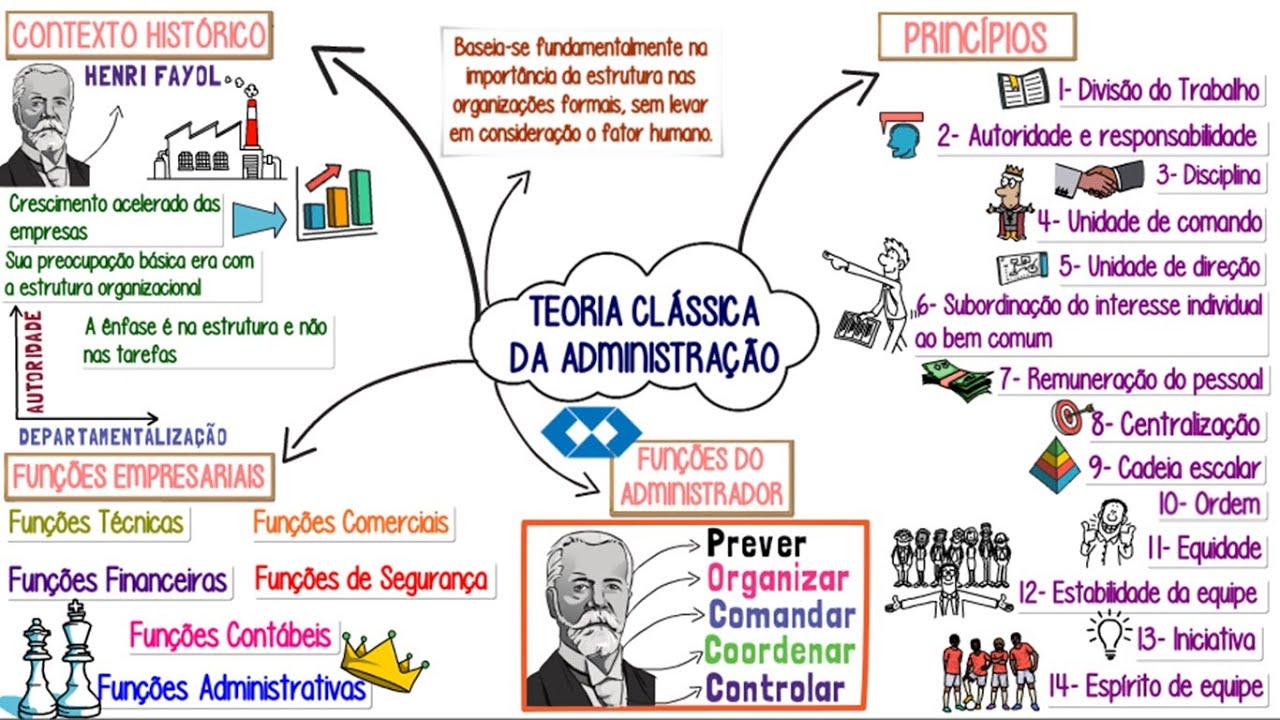
Teoria Clássica da Administração de Henry Fayol║Surgimento, Conceito, Funções, Princípios e muito +

5 unexpected habits that led to six figures (in one year)

7 Japanese Rules for Unbreakable Discipline – Master These or Stay Weak

How to Build Self-Discipline: The Mindset Method

How to Be More DISCIPLINED - Ways to Master Self Control
5.0 / 5 (0 votes)

