Lecture 01
Summary
TLDRThis introductory course on ancient Indian technology explores the country's rich heritage of scientific and technological advancements, often overlooked in modern education. The speaker delves into the definitions of science and technology, highlighting their practical applications in ancient India, particularly through the concept of 'Shilpa,' a blend of engineering, technology, and science. The course emphasizes India's historical strengths, including its fertile land, biodiversity, and mineral resources, and encourages further research into ancient technologies. By examining India's dynastic history, the speaker aims to inspire students to rediscover and preserve these valuable contributions for modern development.
Takeaways
- 😀 Ancient Indian technology is vast and rich, but it is not widely taught or acknowledged in modern education systems.
- 😀 The discovery of ancient Indian science and technology is a recent realization for many, including the speaker, who learned about it only five years ago.
- 😀 Science is defined as the systematic, organized study of natural laws, and it is rooted in human curiosity and creativity.
- 😀 Technology is the practical application of science, aimed at improving human life through innovation and the development of tools, systems, and materials.
- 😀 Engineering is the process of creation or doing, such as writing with a pen, while technology is the tools or products that support those processes.
- 😀 'Shilpa' refers to an ancient concept that blends engineering, technology, and science, and was foundational to the development of industries in ancient India.
- 😀 Ancient Indian technological knowledge was embedded in various fields like material science, motion, transportation, and architecture (Vaastu Shastra).
- 😀 India’s geographical advantages, such as fertile land, diverse climates, abundant water resources, and rich mineral deposits, contributed to its technological prowess.
- 😀 The country’s **biodiversity**, livestock populations, and the importance of food and agriculture played a critical role in sustaining ancient technological practices.
- 😀 India’s ancient dynasties, including the Mauryan, Gupta, and Vijayanagar empires, contributed significantly to the development and application of technology in different regions.
- 😀 The study of ancient Indian science and technology is critical to understanding the true capabilities and contributions of the country to the world’s knowledge base.
- 😀 The next lecture in the course will focus on the importance of studying and preserving ancient science and technology in the context of modern education.
Q & A
What is the main focus of the course introduced in the script?
-The course focuses on an introduction to ancient Indian technology, exploring the scientific and technological advancements developed by ancient Indian civilizations.
Why does the lecturer believe it is important to study ancient Indian technology?
-The lecturer argues that ancient Indian technology offers valuable insights into how our ancestors developed methods and tools that improved human life. This knowledge is often overlooked, and studying it could help us rediscover useful concepts for modern applications.
How does the lecturer define science?
-Science is defined as a systematic study of nature and the universe, organized in a way that allows for testable explanations, predictions, and verifiable knowledge.
What is the distinction between science and technology as discussed in the script?
-Science is the systematic study of natural phenomena, while technology refers to the practical application of scientific knowledge to create products, tools, or processes that improve human life.
What is the relationship between engineering and technology?
-Engineering involves the processes and methods used to create tools or products, while technology is the practical application of those engineered processes to develop useful tools or systems.
What does the term 'Shilpa' refer to in the context of ancient Indian technology?
-'Shilpa' refers to a combination of engineering, technology, and science, often used to describe traditional industries and craftsmanship that integrated all three elements to create functional and artistic products.
What geographical factors made ancient India conducive to technological advancements?
-India’s diverse geography, including fertile lands, rivers, varied climatic regions, and mineral resources, played a significant role in supporting agriculture, trade, and the development of technologies across different dynasties.
What role did ancient Indian dynasties play in the development of technology?
-Ancient Indian dynasties, such as the Mauryas, Guptas, and Cholas, were instrumental in advancing technology in fields like metallurgy, architecture, and agriculture, contributing to the overall growth of Indian civilization.
What evidence supports the existence of ancient technologies in India?
-Archaeological discoveries, such as those from the Indus Valley Civilization and recent research by institutions like IIT Kharagpur, provide evidence of advanced technological practices dating back thousands of years.
Why does the lecturer emphasize the need to revisit ancient knowledge?
-The lecturer believes that revisiting ancient knowledge can help modern societies rediscover lost techniques and technologies, offering solutions to contemporary challenges and fostering innovation.
Outlines

このセクションは有料ユーザー限定です。 アクセスするには、アップグレードをお願いします。
今すぐアップグレードMindmap

このセクションは有料ユーザー限定です。 アクセスするには、アップグレードをお願いします。
今すぐアップグレードKeywords

このセクションは有料ユーザー限定です。 アクセスするには、アップグレードをお願いします。
今すぐアップグレードHighlights

このセクションは有料ユーザー限定です。 アクセスするには、アップグレードをお願いします。
今すぐアップグレードTranscripts

このセクションは有料ユーザー限定です。 アクセスするには、アップグレードをお願いします。
今すぐアップグレード関連動画をさらに表示

IKS_CH10_C01
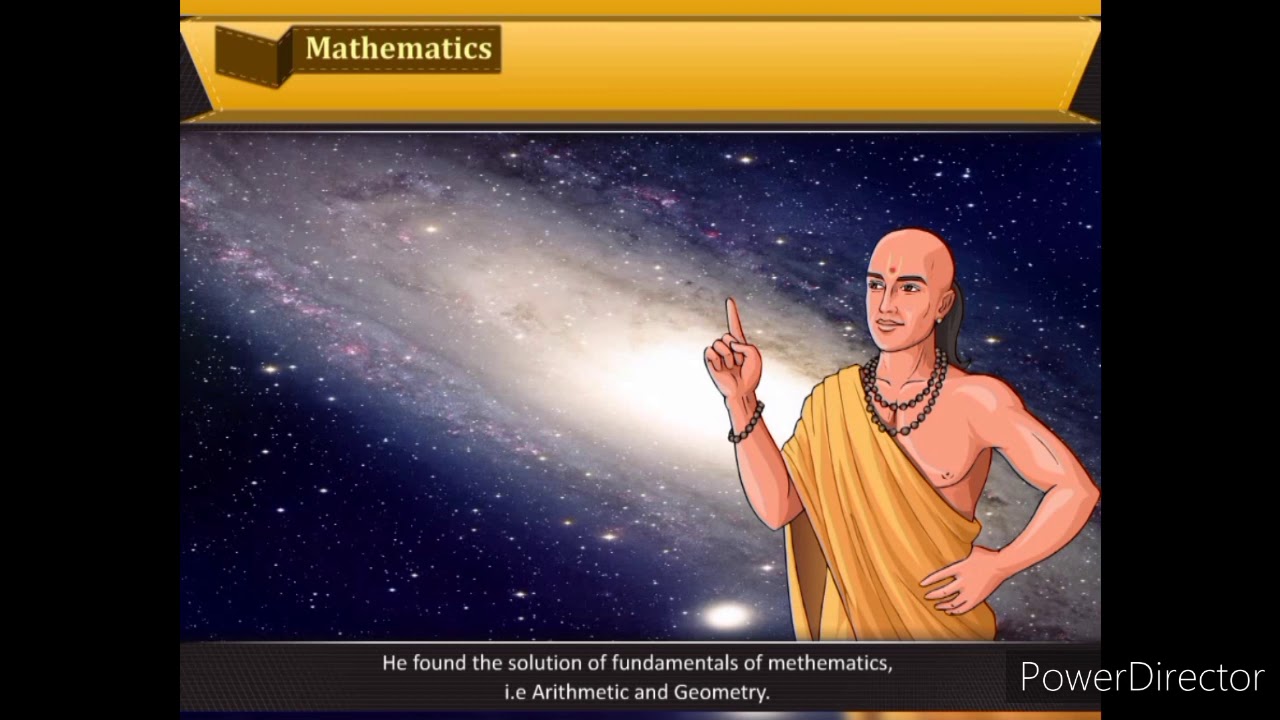
Class 10 Social Studies Chapter 5 India s Heritage of Science and Technology
STS 10 Ch.1 Lesson 1- Historical Antecedents of Science and Technology (Part 1)
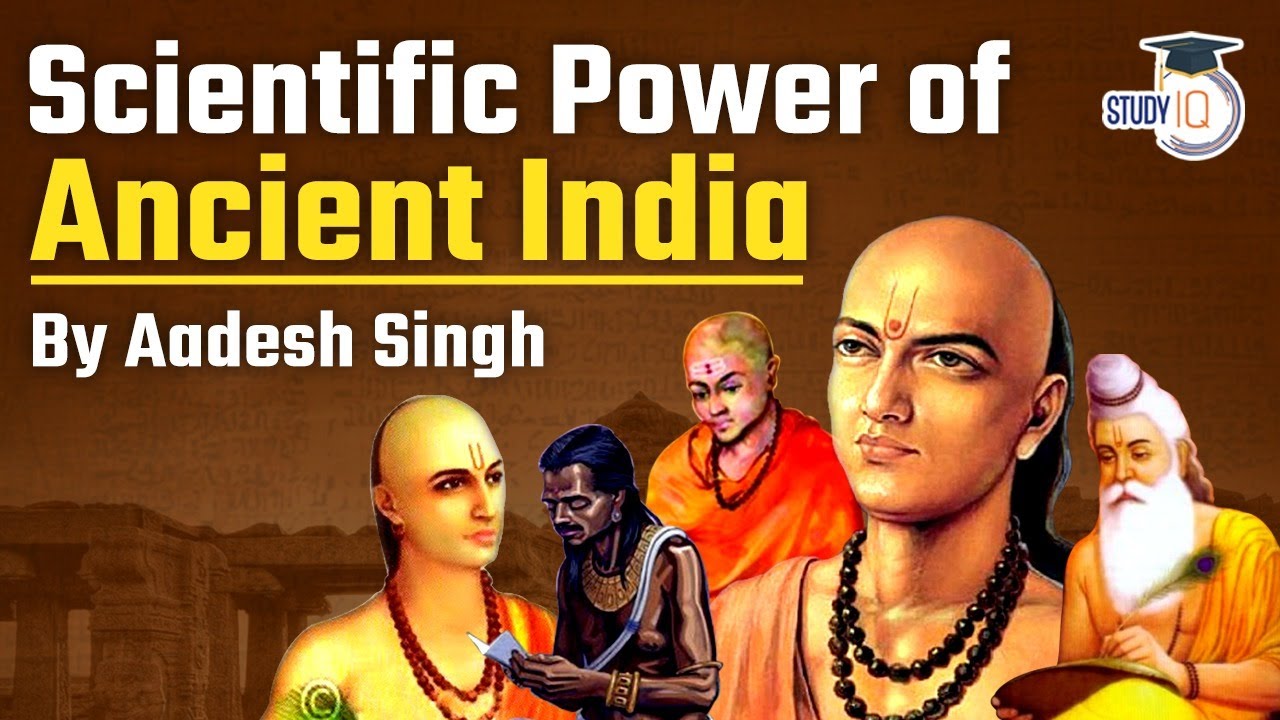
Ancient India's Scientific Achievements & Contribution in Mathematics, Astronomy, Science & Medicine

Iks - History
The History of Science and Technology in the Philippines | Online Class Edition
5.0 / 5 (0 votes)

