Introducing phonetics
Summary
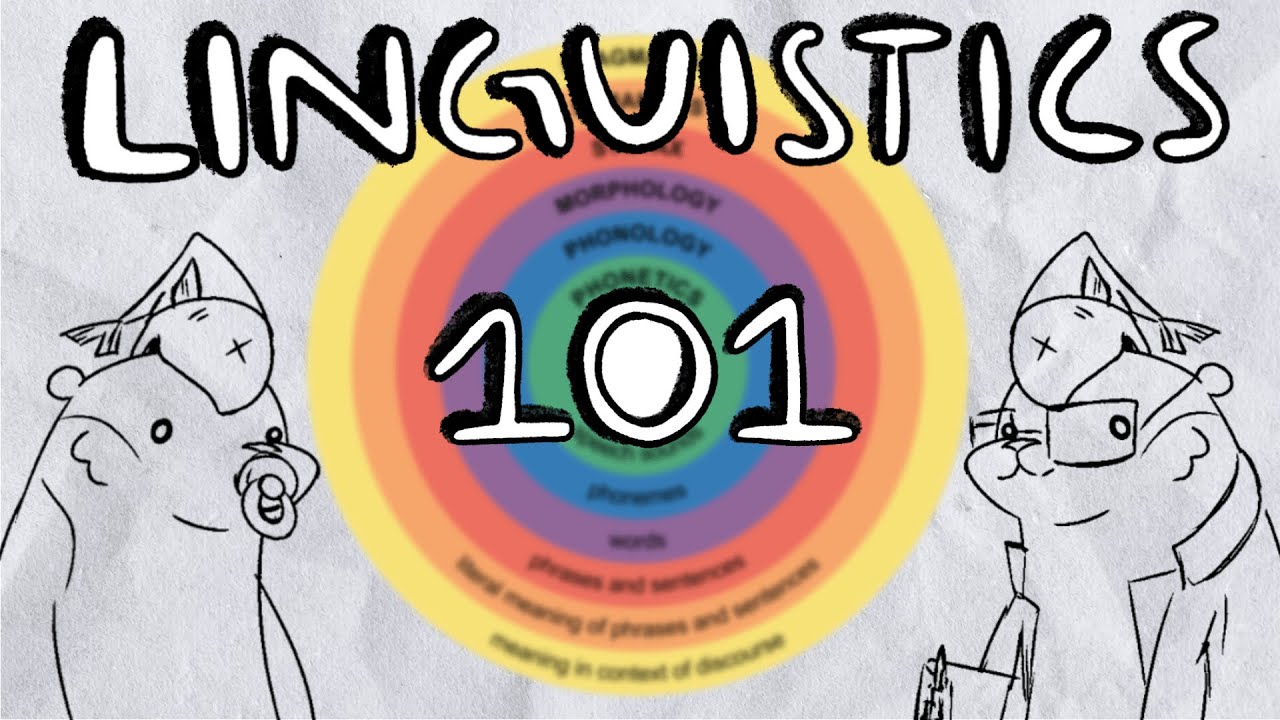
TLDRThis video introduces the basic concepts of phonetics and phonology, exploring the study of human speech sounds. Phonology focuses on sound structure as part of micro-linguistics, while phonetics covers both sound production, transmission, and perception, linking it to macro-linguistics. The video highlights three branches of phonetics: articulatory (sound production), acoustic (sound transmission), and auditory (sound perception), with the course focusing on articulatory phonetics. This branch is crucial for understanding sound classification through the International Phonetic Alphabet (IPA).
Takeaways
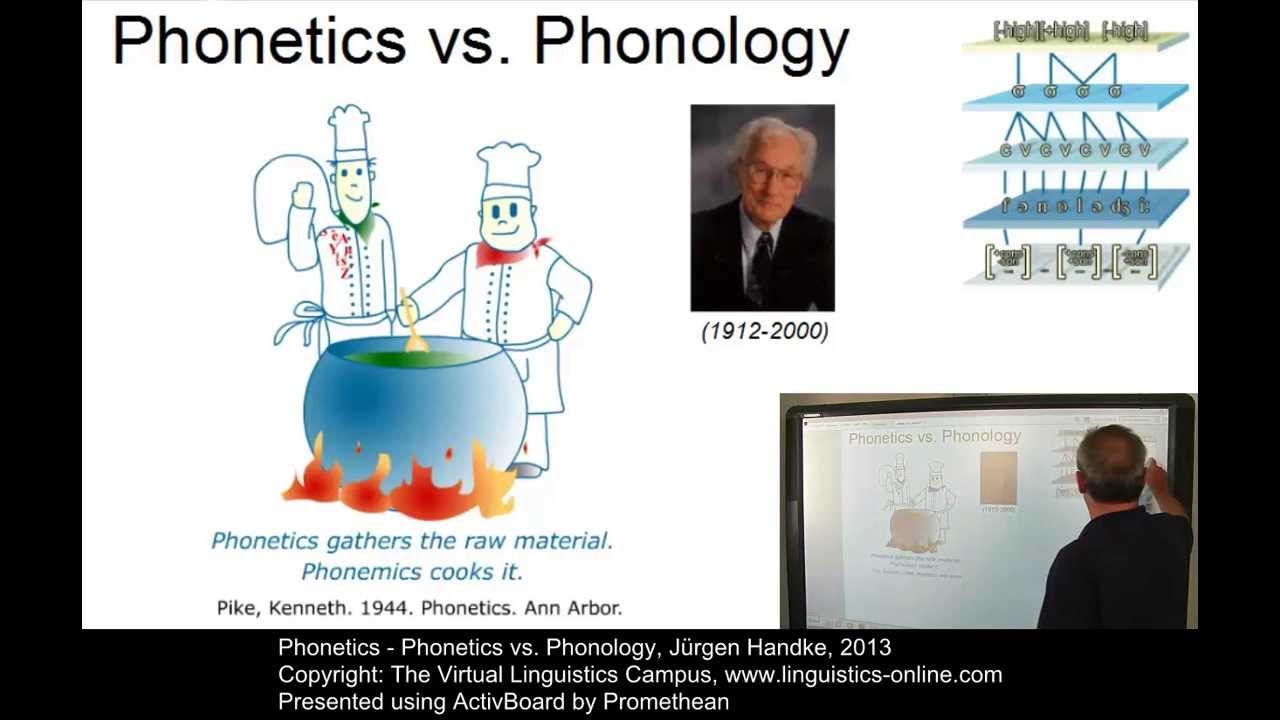
- 😀 Phonetics and phonology both study speech sounds, but phonology focuses exclusively on sound structure, while phonetics covers production, transmission, and perception.
- 😀 All sounds in the universe, including those from humans, animals, and environmental sources, are categorized into 'sound types,' with human speech sounds being the subject of phonetics and phonology.
- 😀 Phonology is part of micro-linguistics, focusing on the internal elements of language (sound structure), while phonetics is part of macro-linguistics and studies both the internal and external elements (speech organs).
- 😀 Phonetics has three branches: articulatory phonetics (sound production), acoustic phonetics (sound transmission), and auditory phonetics (sound perception).
- 😀 Articulatory phonetics is the study of how speech sounds are produced using the speech organs and air stream management.
- 😀 Sound transmission in phonetics refers to how sounds travel from the speaker's vocal tract to the listener's ear, a focus of acoustic phonetics.
- 😀 Auditory phonetics deals with how sounds are perceived and understood by the listener after being transmitted to the ear.
- 😀 Air is a fundamental component in sound production, as speech sounds cannot be produced without airflow.
- 😀 The International Phonetic Alphabet (IPA) classifies sounds based on articulatory variables, which are studied in articulatory phonetics.
- 😀 This course primarily focuses on articulatory phonetics, exploring the interaction of speech organs and air stream management in sound production.
Q & A
What is the main focus of the video lesson?
-The main focus of the video is to introduce the basic concepts of phonetics and phonology, explain their similarities and differences, and describe the branches of phonetics, especially articulatory phonetics.
How does the speaker categorize sounds in the universe?
-The speaker categorizes sounds into three broad groups: all sounds in the universe, animal and human sounds, and speech sounds produced specifically by humans.
What are speech sounds?
-Speech sounds are sounds produced by humans that are used for communication, and they are the primary object of study in phonetics and phonology.
What is the main similarity between phonetics and phonology?
-Both phonetics and phonology study sounds produced by humans, which are known as speech sounds.
What is the main difference between phonetics and phonology?
-Phonology studies only sound structure as an internal element of language, while phonetics studies both the sounds and the speech organs involved in producing them, including sound production, transmission, and perception.
Why is phonology considered part of microlinguistics?
-Phonology is considered part of microlinguistics because it focuses exclusively on the internal elements of language, specifically sound structure.
Why is phonetics associated with macrolinguistics according to the lecture?
-Phonetics is associated with macrolinguistics because it studies not only the internal element of language (sounds) but also the external elements, such as speech organs, which are part of the human body.
What are the three main branches of phonetics?
-The three main branches of phonetics are articulatory phonetics, acoustic phonetics, and auditory phonetics.
What does articulatory phonetics study?
-Articulatory phonetics studies how speech sounds are produced using the speech organs and the management of the airstream.
What does acoustic phonetics focus on?
-Acoustic phonetics focuses on how sounds are transmitted as sound waves through the air from the speaker to the listener.
What does auditory phonetics deal with?
-Auditory phonetics deals with how sounds are perceived, processed, and understood by the listener’s auditory system.
Why is articulatory phonetics considered especially important in this course?
-Articulatory phonetics is emphasized because the classification of speech sounds in the International Phonetic Alphabet (IPA) is based on articulatory variables.
What role does the airstream play in sound production?
-The airstream is essential for sound production, as no speech sound can be produced without air movement through the vocal tract.
How does the process of sound production, transmission, and perception occur?
-First, a concept is encoded in the brain, then realized through the vocal tract as sound production, transmitted through the air to the listener, and finally perceived and decoded in the listener’s brain for comprehension.
Outlines

このセクションは有料ユーザー限定です。 アクセスするには、アップグレードをお願いします。
今すぐアップグレードMindmap

このセクションは有料ユーザー限定です。 アクセスするには、アップグレードをお願いします。
今すぐアップグレードKeywords

このセクションは有料ユーザー限定です。 アクセスするには、アップグレードをお願いします。
今すぐアップグレードHighlights

このセクションは有料ユーザー限定です。 アクセスするには、アップグレードをお願いします。
今すぐアップグレードTranscripts

このセクションは有料ユーザー限定です。 アクセスするには、アップグレードをお願いします。
今すぐアップグレード



5.0 / 5 (0 votes)

