Apa Itu LMS (Learning Management System)?
Summary
TLDRLearning Management Systems (LMS) are essential platforms for planning, delivering, managing, and assessing educational content and training programs. They support both academic and corporate learning by offering centralized systems for students to access lessons, quizzes, tasks, and certifications, while instructors track progress. LMS platforms are cloud-based or hosted locally, with key features like course creation, user registration, assessments, and certification. As online education grows, LMS plays a central role in remote learning, hybrid models, and corporate training, offering scalable, cost-effective, and customizable solutions for organizations. The future of LMS includes AI, adaptive learning, and immersive technologies like VR, shaping the evolution of education and professional development.
Takeaways
- 😀 LMS (Learning Management System) is a platform for planning, delivering, managing, and assessing educational and training content, widely used across institutions, businesses, and online courses.
- 😀 LMS supports both remote education and corporate training, playing a central role in digital learning by centralizing content access, assessments, and progress tracking.
- 😀 Modern LMS platforms allow instructors to upload diverse learning materials (videos, PDFs, interactive modules) and organize them into courses that students can access anytime, anywhere.
- 😀 The LMS workflow typically includes user registration, progress tracking, assessments, feedback, and certification, making it a comprehensive learning solution.
- 😀 Key features of LMS include course creation and management, user registration, access control, assessments, progress tracking, certification, and collaboration tools like forums and messaging.
- 😀 In educational settings, LMS platforms are used to distribute lessons, monitor attendance, conduct remote classes, and engage students with multimedia and interactive content.
- 😀 Popular LMS in education include Moodle, Google Classroom, Blackboard, Canvas, and Schoology, which cater to academic workflows, curriculum standards, and multi-language environments.
- 😀 In corporate environments, LMS is used for employee training, onboarding, and professional development, offering cost-effective, scalable, and consistent learning experiences.
- 😀 Different types of LMS include cloud-based (SaaS), self-hosted, open-source, and commercial platforms, each offering varying degrees of customization, control, and maintenance needs.
- 😀 Mobile-friendly LMS platforms allow learners to access content on the go, with features like offline access and push notifications, crucial for remote workers and learners with limited internet access.
Q & A
What is a Learning Management System (LMS)?
-An LMS is a software or application used for planning, delivering, managing, and assessing educational content and training programs. It is commonly used in academic institutions, companies, and online course platforms.
How does an LMS function in a digital learning environment?
-LMS acts as a digital hub for learning content where educators upload materials such as videos, PDFs, and interactive modules. Learners access the content, follow progress, complete assessments, and receive feedback or certifications.
What are the core features of most modern LMS platforms?
-Core features include course creation and management, user registration and access control, assessments and quizzes, progress tracking, reporting, certification, gamification, and communication tools for collaboration.
How has the COVID-19 pandemic impacted the adoption of LMS in educational institutions?
-The pandemic accelerated the adoption of LMS in schools, making it essential for remote learning during lockdowns. Even after the return of in-person classes, many institutions have maintained hybrid learning models supported by LMS.
What types of content can be managed within an LMS?
-LMS platforms can manage various types of content, including video lectures, SCORM packages, HTML5 materials, PDFs, and audio files. These materials are organized into modules or lessons.
What are the differences between academic LMS and corporate LMS?
-Academic LMS focuses on long-term courses, teacher-student dynamics, and assessment systems, whereas corporate LMS prioritizes skill training, compliance tracking, and integration with business systems.
How does gamification enhance learning within an LMS?
-Gamification in LMS motivates learners by offering digital certificates, badges, leaderboards, and point systems, encouraging participation, course completion, and engagement.
Can LMS be used for mobile learning, and how is it important?
-Yes, modern LMS platforms are designed to be mobile-friendly, allowing learners to access training materials on-the-go. This is crucial for remote workers, field employees, or students in regions with limited internet access.
What is the future of LMS with emerging technologies like AI and VR?
-The future of LMS involves integrating AI for personalized learning, using adaptive learning algorithms to recommend content based on user performance. Virtual reality (VR) may be used to create immersive learning environments for hands-on simulations.
What are some popular LMS solutions in education and corporate sectors?
-In education, popular LMS platforms include Moodle, Google Classroom, Blackboard, Canvas, and Schoology. In the corporate sector, platforms like TalentLMS, Dosibo, Litmos, and LearnUpon are commonly used.
Outlines

このセクションは有料ユーザー限定です。 アクセスするには、アップグレードをお願いします。
今すぐアップグレードMindmap

このセクションは有料ユーザー限定です。 アクセスするには、アップグレードをお願いします。
今すぐアップグレードKeywords

このセクションは有料ユーザー限定です。 アクセスするには、アップグレードをお願いします。
今すぐアップグレードHighlights

このセクションは有料ユーザー限定です。 アクセスするには、アップグレードをお願いします。
今すぐアップグレードTranscripts

このセクションは有料ユーザー限定です。 アクセスするには、アップグレードをお願いします。
今すぐアップグレード関連動画をさらに表示
Pembelajaran Berbasis Web #edukasi #motivasi #teknologi #pendidikan #digital #learning #system
RV3 TTL1 CHAPTER 3
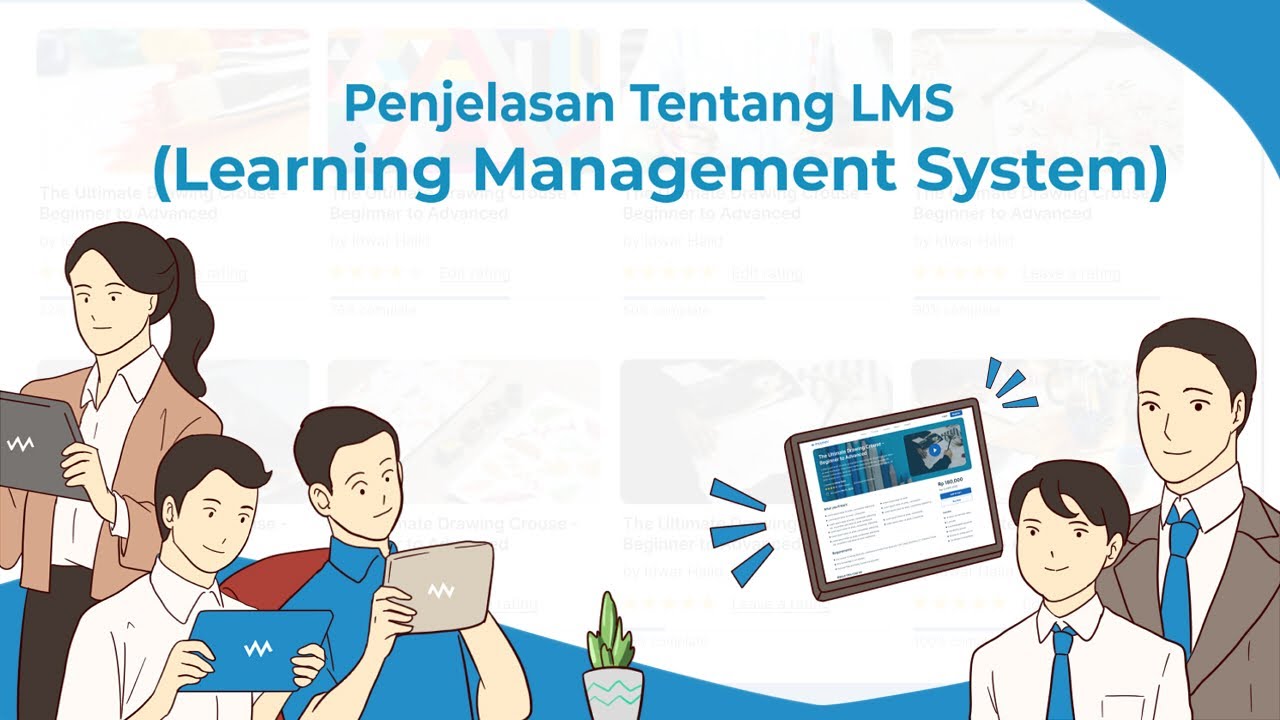
Penjelasan tentang LMS - Learning Management System

Teknologi Dalam Manajemen Pendidikan

Learning Management System | What is LMS? | Future of Online Learning | Simple Explanation

How to become an Instructional Designer
5.0 / 5 (0 votes)

