INTRODUÇÃO A ANATOMIA VETERINÁRIA E TOPOGRÁFICA
Summary
TLDRThis video lecture introduces the anatomy of domestic animals, emphasizing the importance of understanding anatomy for veterinary practice. It covers systemic and topographical anatomy, explaining how these fields interrelate to provide critical insights for clinical work. Key anatomical terms like medial, lateral, cranial, and caudal are explored, with a focus on their practical applications in diagnosing and treating animals. The session also provides a historical context for anatomical terminology, discusses animal-specific terminology, and sets the stage for deeper studies in osteology, myology, and more. Overall, it lays the groundwork for a comprehensive understanding of veterinary anatomy.
Takeaways
- 😀 Anatomy is a prerequisite for success in veterinary practice and medical professions, providing the foundation for practical skills.
- 😀 The study of anatomy is centuries-old, with a key historical contribution being the 1543 definition by Vesalius, which established its importance in medicine.
- 😀 The *Nomina Anatomica Veterinaria* (1968) standardized anatomical terminology worldwide, ensuring consistency in veterinary practices across countries.
- 😀 Systemic anatomy studies the body systems (e.g., respiratory, cardiovascular), while topographic anatomy focuses on the location and relationship of organs within the body.
- 😀 Understanding anatomy is essential for veterinary students to apply clinical methods, such as palpation, on animals and assess their health in real-world settings.
- 😀 Anatomical terms like 'medial', 'lateral', 'proximal', and 'distal' help accurately describe the position of structures relative to each other in the body.
- 😀 Topographic anatomy describes the relative positions of organs and structures in the body, which is crucial for diagnosing and treating animals.
- 😀 Veterinary anatomy includes specific study areas like osteology (bones), arthrology (joints), myology (muscles), and angiography (blood vessels).
- 😀 Anatomical terms are used differently in quadruped animals compared to humans, with distinctions between thoracic and pelvic limbs for animals.
- 😀 The understanding of anatomical planes, such as the medial, sagittal, and transversal planes, is essential for accurate dissection and diagnosis in veterinary practice.
- 😀 Practical application of anatomy is vital in veterinary practice, especially when understanding how to locate organs and structures in live animals or when performing surgery.
Q & A
Why is studying anatomy important in veterinary medicine?
-Anatomy is the foundation of medical practice. It helps veterinarians understand the structure and function of the body, which is essential for accurate diagnosis and treatment in clinical settings.
What is the difference between systemic and topographic anatomy?
-Systemic anatomy studies organ systems (like respiratory, circulatory), while topographic anatomy focuses on the spatial relationships and locations of organs and structures within the body.
What does 'topographic anatomy' allow veterinarians to do?
-Topographic anatomy helps veterinarians accurately locate and describe the position of organs and structures within the body, which is crucial for clinical procedures like surgery and diagnostics.
How does the knowledge of systemic anatomy relate to the study of physiology?
-Systemic anatomy is closely linked to physiology because it helps explain how the structure of organs and systems supports their functional roles within the body.
What is the Nomina Anatomica Veterinaria, and why is it important?
-The Nomina Anatomica Veterinaria, published in 1968, is a standardized nomenclature for veterinary anatomy. It helps ensure consistency in anatomical terminology worldwide, making it easier for veterinarians to communicate across different languages.
What is the role of anatomy in veterinary surgery?
-Anatomy provides the essential knowledge for performing surgeries safely and effectively. Understanding the precise location and structure of organs and tissues helps surgeons avoid complications and perform procedures with accuracy.
Can you give an example of how topographic anatomy is used in practice?
-If a veterinarian suspects that a dog has swallowed a foreign object, they will use topographic anatomy to locate the object through techniques like ultrasound, ensuring they accurately target the area for intervention.
What are some common confusions between anatomical terms?
-Terms like 'medial' and 'median' or 'proximal' and 'distal' are often confused. 'Medial' refers to being closer to the body's midline, while 'median' refers to the exact midline. 'Proximal' means closer to the body, and 'distal' means further away.
How do anatomical terms change when referring to quadrupeds (four-legged animals) versus humans?
-For quadrupeds, terms like 'cranial' and 'caudal' are used for direction toward the head and tail, respectively, instead of 'superior' and 'inferior' as in humans. The terms 'toracic' and 'pelvic' limbs replace 'upper' and 'lower' limbs.
What is the significance of the anatomical terms 'dorsal' and 'ventral'?
-In anatomical terminology, 'dorsal' refers to the upper side (back) of the body or limbs, while 'ventral' refers to the lower side (belly). These terms are essential for correctly describing body regions and orientations in both the trunk and limbs.
Outlines

このセクションは有料ユーザー限定です。 アクセスするには、アップグレードをお願いします。
今すぐアップグレードMindmap

このセクションは有料ユーザー限定です。 アクセスするには、アップグレードをお願いします。
今すぐアップグレードKeywords

このセクションは有料ユーザー限定です。 アクセスするには、アップグレードをお願いします。
今すぐアップグレードHighlights

このセクションは有料ユーザー限定です。 アクセスするには、アップグレードをお願いします。
今すぐアップグレードTranscripts

このセクションは有料ユーザー限定です。 アクセスするには、アップグレードをお願いします。
今すぐアップグレード関連動画をさらに表示
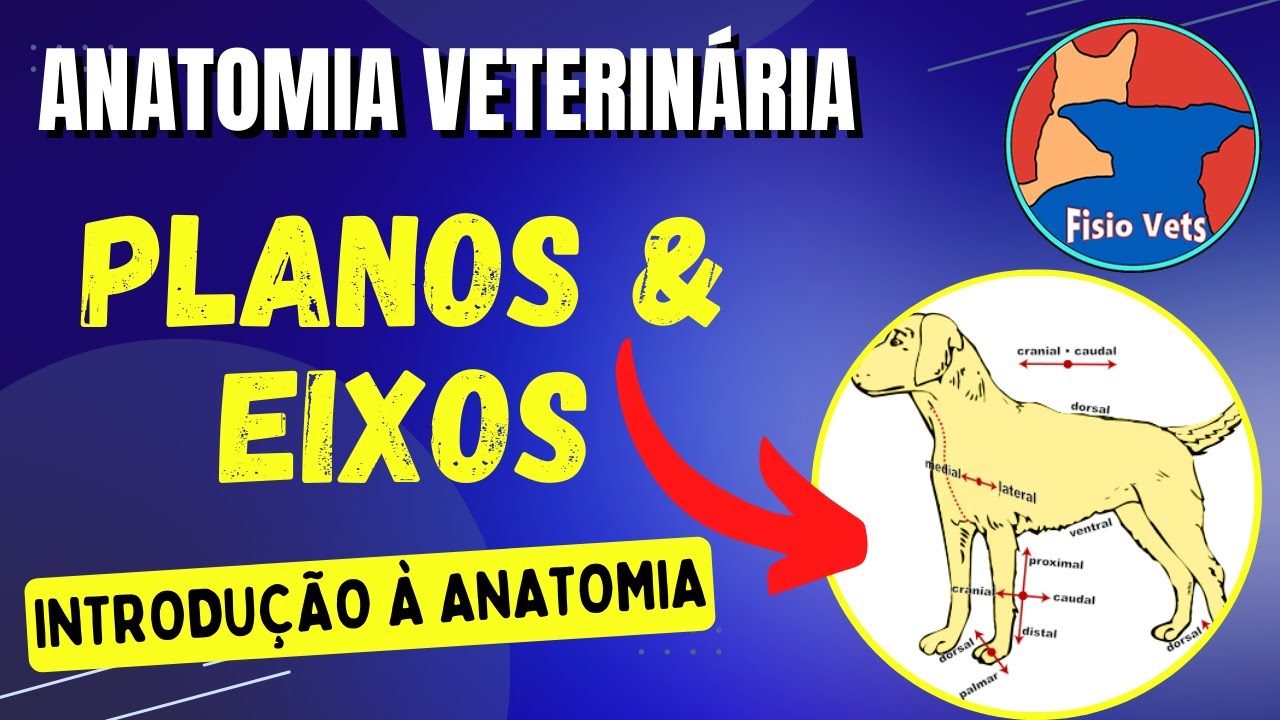
Planos e eixos anatômicos - Anatomia veterinária
Introduction to Veterinary Sciences
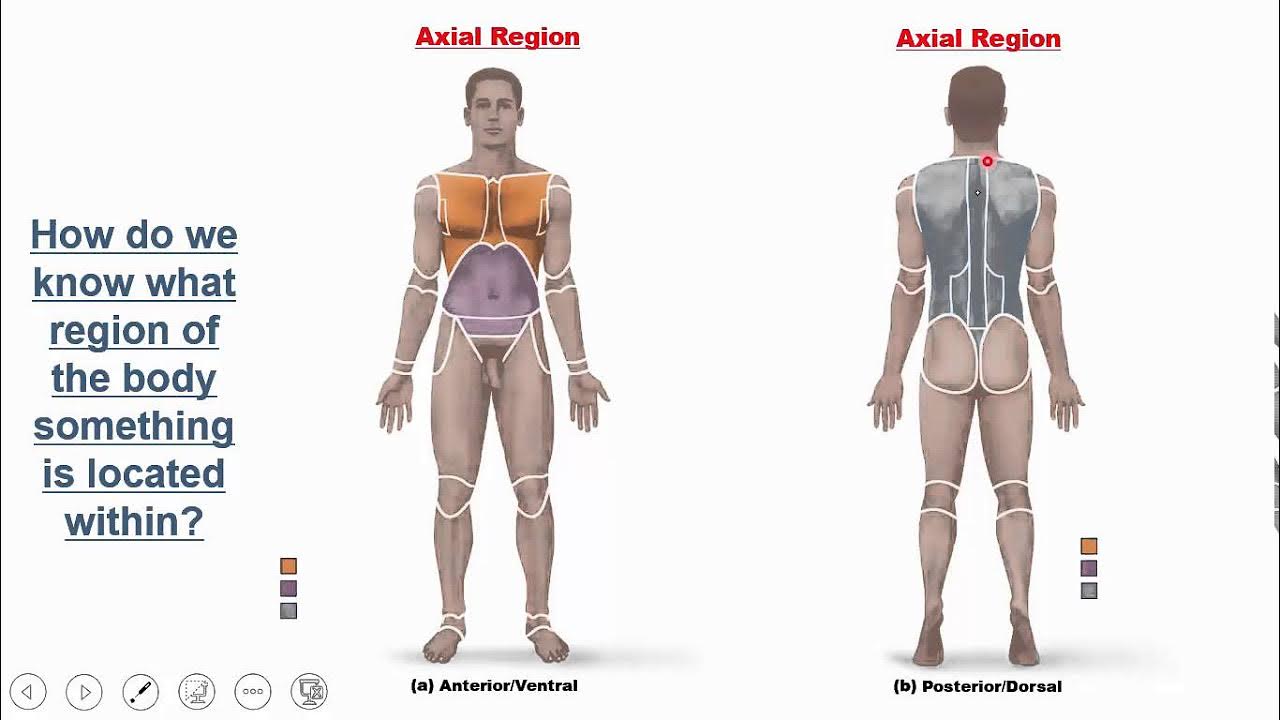
Introduction to the Human Body: Overview and Gross Anatomy

Avaliação Semiológica e Diagnóstico em Pequenos Animais - Aula 10 a 10.1

Introduction Of Anatomy Sesi 1 - Putri Halleyana Adrikni Rahman, dr., M.Kes

Avaliação Semiológica e Diagnóstico em Pequenos Animais - Aula 14.1 e 14.2
5.0 / 5 (0 votes)

