LAMPAHING UPACARA ADAT MANTU JAWA KELAS XI SMK N 1 WONOSOBO
Summary
TLDRThis script provides a detailed overview of the traditional Javanese wedding ceremony (mantu Jowo). It covers various stages, including pre-wedding rituals, the engagement process, and the formal marriage ceremony. Emphasizing the cultural significance, it highlights elements such as family roles, ceremonial practices, and spiritual symbolism. The ceremony includes a mix of prayer, symbolic offerings, and mutual exchanges between the families of the bride and groom. The script concludes with a message of gratitude and blessings, emphasizing the unity of the couple and their families. It reflects deep cultural values and traditions of the Javanese community.
Takeaways
- 😀 **Introduction of the Event**: The ceremony begins with greetings, music, and applause, introducing the significance of the Javanese marriage traditions.
- 😀 **Traditional Greetings**: The event opens with a formal greeting in Javanese, expressing peace and respect towards the audience, especially the students of SMK Negeri 1 Wonosobo.
- 😀 **Cultural Significance**: The presentation covers the importance of Javanese language and customs in the wedding ceremony, particularly focusing on the Javanese marriage rituals.
- 😀 **Pre-Marriage Stage**: The first phase of the wedding process involves activities such as the family of the groom visiting the bride's family, and the formal proposal, which includes symbolic offerings.
- 😀 **Symbolic Offerings**: The groom's family provides symbolic items and money to the bride's family, showcasing the formal commitment between the two families.
- 😀 **The Process of Engagement**: The engagement (Lamaran) is a significant event where families meet and agree on the future union of the couple.
- 😀 **The Wedding Rituals**: The ceremony involves several traditional rituals like ‘Tarub’ (decorating the area) and ‘Bleketepe’, signaling the official start of the wedding festivities.
- 😀 **Siring Rituals (Siraman)**: A cleansing ritual using ‘Tirta Perwitosari’ (holy water) symbolizes the purification of the bride and groom before the marriage.
- 😀 **Midodareni Ceremony**: A ritual where the bride is kept in seclusion the night before the wedding, symbolizing her transformation into a sacred figure.
- 😀 **Final Wedding Act (Ijab Kabul)**: The official marriage vows are exchanged, and the union is sealed in a sacred and formal ceremony.
- 😀 **Post-Wedding Celebration**: The event concludes with a festive reception (Pahargyan) to celebrate the union, and additional traditions such as ‘Ngunduh Mantu’ (returning to the groom's family home).
Q & A
What is the primary subject of the script?
-The script primarily discusses traditional Javanese wedding ceremonies, including the steps and rituals involved in the marriage process, such as the engagement, the formal wedding, and the rituals for both the groom and bride.
What does 'pra mantu' refer to in the Javanese wedding context?
-'Pra mantu' refers to the pre-wedding phase or preparations before the actual wedding ceremony. This includes activities such as engagement, asking for the bride's hand in marriage, and the rituals leading up to the wedding day.
What is the significance of the 'serah-serahan' ritual in Javanese weddings?
-The 'serah-serahan' ritual is the exchange of gifts and symbolic items between the families of the bride and groom, marking the formal agreement of the marriage and the merging of the two families.
What does 'midodareni' refer to in the script?
-'Midodareni' is a traditional Javanese ceremony that takes place the night before the wedding. It is a gathering of the bride’s family and close relatives, where the bride is usually dressed in traditional attire and is blessed by her elders.
How does the script describe the 'siraman' ritual?
-The 'siraman' ritual is a cleansing ceremony for the bride and groom, where water, often infused with flowers, is poured over their bodies as a symbolic act of purification and blessing before the wedding.
What role does music play in the ceremony according to the script?
-Music plays an important role in setting the atmosphere for the various rituals, including traditional Javanese music that accompanies the ceremonies such as 'siraman', 'midodareni', and the wedding itself.
What is the meaning behind the use of 'Banyu Pitung' in the ceremony?
-'Banyu Pitung' refers to a sacred water source used in the wedding rituals, symbolizing purity and blessings for the couple as they embark on their married life.
What does 'sanggar' or 'sasono' refer to in the script?
-'Sanggar' or 'sasono' refers to the place where the wedding rituals are held. It is often a designated space for the various traditional ceremonies, decorated with symbols of fertility and prosperity.
What are the responsibilities of the parents of the bride and groom in this ceremony?
-The parents of both the bride and the groom are responsible for overseeing the proper conduct of the rituals, providing blessings, and ensuring that the ceremony adheres to the traditional customs.
What cultural significance does 'Puspo' have in the wedding rituals?
-'Puspo' is a traditional offering of flowers that is often used in Javanese wedding rituals, symbolizing beauty, fertility, and the continuity of life, blessings for the couple's future.
Outlines

このセクションは有料ユーザー限定です。 アクセスするには、アップグレードをお願いします。
今すぐアップグレードMindmap

このセクションは有料ユーザー限定です。 アクセスするには、アップグレードをお願いします。
今すぐアップグレードKeywords

このセクションは有料ユーザー限定です。 アクセスするには、アップグレードをお願いします。
今すぐアップグレードHighlights

このセクションは有料ユーザー限定です。 アクセスするには、アップグレードをお願いします。
今すぐアップグレードTranscripts

このセクションは有料ユーザー限定です。 アクセスするには、アップグレードをお願いします。
今すぐアップグレード関連動画をさらに表示

ACARA SIRAMAN ADAT JAWA | RUANG MANTEN
Pranatacara Kelas XI
Tiga Basa Jawa Bab Upacara Adat lan Pranatacara
JUARA 1 LOMBA PIDATO BAHASA JAWA // PRANATA ADICARA // TEMANGGUNG FEST 2022
Contoh mc acara pernikahan adat jawa paling Mudah plus Teks
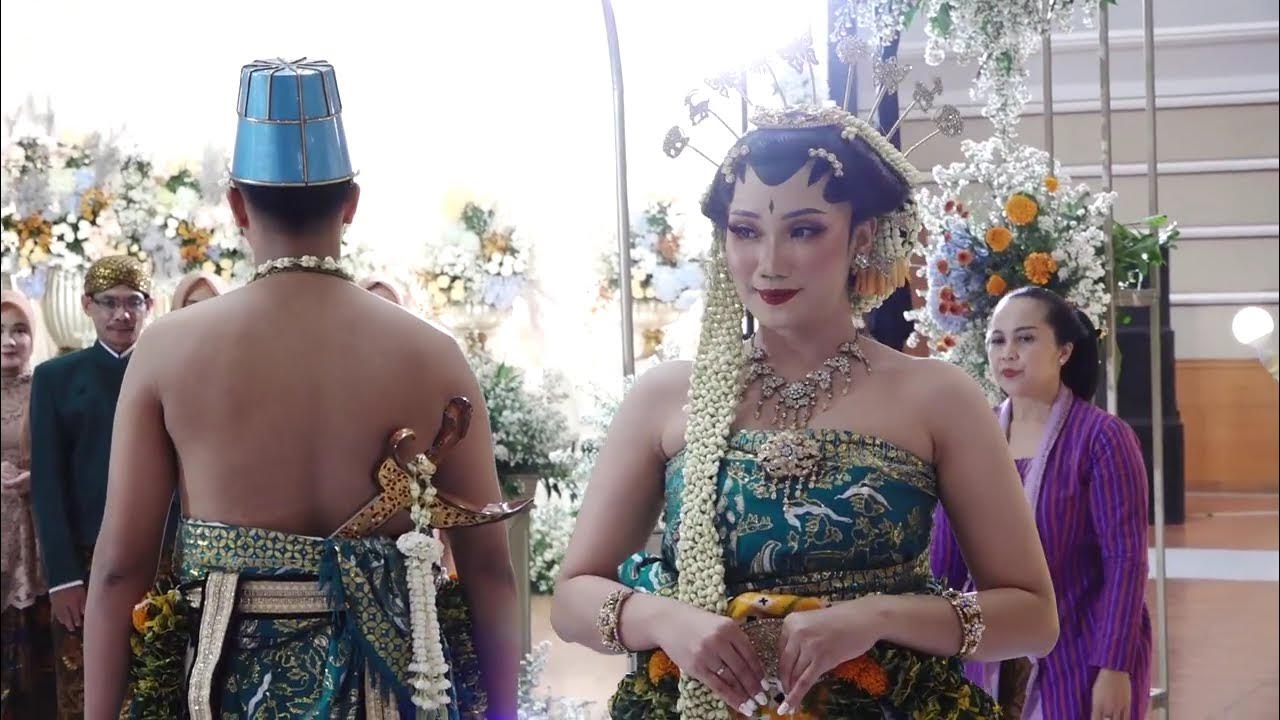
#2 Prosesi Adat Panggih Jawa Solo Basahan Wedding Kiki & Janu 28 12 22 #Ankyanu
5.0 / 5 (0 votes)

