Kekosongan kekuasaan & Agresi militer 1 dan 2.#Sejarah #sejarahindonesia #viralvideo #beranda #fyp
Summary
TLDRThe video explores the pivotal events surrounding Indonesia's power vacuum and the military aggression by the Dutch following Japan's surrender in 1945. It discusses the political turmoil that emerged after Japan's defeat, leading to Indonesia's declaration of independence. The Dutch launched two major military aggressions to reclaim their former colony, with the second one focused on Yogyakarta, where key Indonesian leaders were captured. The eventual resolution came through international negotiations, resulting in the 1949 Round Table Conference and the official recognition of Indonesia's sovereignty.
Takeaways
- 😀 The power vacuum in Indonesia occurred on August 15, 1945, when Japan surrendered unconditionally to the Allies, leading to a collapse of Japanese authority in Indonesia.
- 😀 Japan's surrender on August 15, 1945, followed the devastation caused by two atomic bombs, signaling the defeat of Japan in World War II.
- 😀 The first Dutch military aggression (Agresi Militer Belanda I) began on July 21, 1947, with Dutch forces launching attacks to reclaim territories in Indonesia, including strategic locations like Jakarta, Bandung, and Surabaya.
- 😀 The goal of the first Dutch military aggression was to regain control over Indonesia's natural resources, especially plantations and oil fields.
- 😀 The second Dutch military aggression (Agresi Militer Belanda II) started on December 19, 1948, with a focused attack on Yogyakarta, which was the capital of Indonesia at the time.
- 😀 In the second aggression, key Indonesian leaders, including President Soekarno and Vice President Hatta, were captured and exiled to Sumatra, while the Indonesian government moved to Bukittinggi in West Sumatra under the PDRI (Emergency Government of the Republic of Indonesia).
- 😀 The formation of the PDRI was crucial to maintaining Indonesia’s sovereignty and ensuring the continuity of the independence struggle despite the fall of Yogyakarta to Dutch forces.
- 😀 One of the key reasons for the second Dutch military aggression was the dissatisfaction with the Linggarjati Agreement and the desire to reassert control over Indonesia after Japan's defeat.
- 😀 The economic pressures on the Netherlands post-World War II also motivated their desire to regain control of Indonesia, which was a valuable resource hub.
- 😀 The second aggression ended after the United Nations formed the UNCI (United Nations Commission for Indonesia), leading to the Renville Agreement and ultimately, the recognition of Indonesia’s sovereignty in the Dutch-Indonesian negotiations at the Round Table Conference (KMB) in 1949.
Q & A
What event triggered the power vacuum in Indonesia on August 15, 1945?
-The power vacuum in Indonesia on August 15, 1945 was triggered by Japan's unconditional surrender to the Allies after the devastation caused by two atomic bombings, marking the end of Japan's control over Indonesia.
What does the term 'vacuum of power' refer to in the context of Indonesia's history?
-The term 'vacuum of power' refers to the absence of effective governance in Indonesia after Japan's surrender, which left the country without a clear authority until Indonesian leaders took control.
How did Japan's surrender on August 15, 1945, affect the power dynamics in Indonesia?
-Japan's surrender left Indonesia in a state of confusion and powerlessness, as Japanese forces withdrew and no clear governing authority replaced them, creating an opportunity for Indonesian independence movements.
What was the main goal of the first Dutch military aggression (Agresi Militer Belanda) in 1947?
-The main goal of the first Dutch military aggression in 1947 was to regain control over territories rich in natural resources, especially plantations and oil fields, which were under the control of the newly established Indonesian Republic.
What event marked the end of the first Dutch military aggression in 1947?
-The first Dutch military aggression ended when Indonesia and the Netherlands accepted the United Nations Security Council resolution on August 17, 1947, which called for a ceasefire and the cessation of hostilities.
Why did the second Dutch military aggression begin in December 1948?
-The second Dutch military aggression began in December 1948 due to continuing dissatisfaction with the Renville Agreement, along with Belanda's desire to reassert control over Indonesia and crush the Republic's central government, which had been established after the first aggression.
What was the significance of Yogyakarta during the second Dutch military aggression?
-Yogyakarta was significant as it was the capital and center of the Indonesian government at the time. The Dutch focused their attacks on Yogyakarta, aiming to cripple the Indonesian administration by capturing key leaders, including President Soekarno and Vice President Hatta.
What role did the PDRI (Emergency Government of the Republic of Indonesia) play during the second Dutch military aggression?
-The PDRI played a crucial role in ensuring the continuity of the Indonesian independence movement. After the capture of key leaders in Yogyakarta, the PDRI was formed in Bukittinggi, Sumatra, to maintain governance and the struggle for independence.
What was the outcome of the negotiations between Indonesia and the Netherlands during the Renville Agreement?
-The Renville Agreement, signed in 1948, failed to resolve the underlying issues of the conflict, leading to further tensions and eventually the second Dutch military aggression. The agreement did not meet the expectations of the Dutch, especially in terms of territorial boundaries.
How did the UN and the Dutch and Indonesian governments come to a resolution after the second aggression?
-The UN established the United Nations Commission for Indonesia (UNCI) to mediate between the two sides. This led to the signing of the Renville Agreement and later the Dutch-Indonesian negotiations that resulted in the 1949 Round Table Conference (KMB), which ultimately led to Indonesia's full sovereignty.
Outlines

このセクションは有料ユーザー限定です。 アクセスするには、アップグレードをお願いします。
今すぐアップグレードMindmap

このセクションは有料ユーザー限定です。 アクセスするには、アップグレードをお願いします。
今すぐアップグレードKeywords

このセクションは有料ユーザー限定です。 アクセスするには、アップグレードをお願いします。
今すぐアップグレードHighlights

このセクションは有料ユーザー限定です。 アクセスするには、アップグレードをお願いします。
今すぐアップグレードTranscripts

このセクションは有料ユーザー限定です。 アクセスするには、アップグレードをお願いします。
今すぐアップグレード関連動画をさらに表示
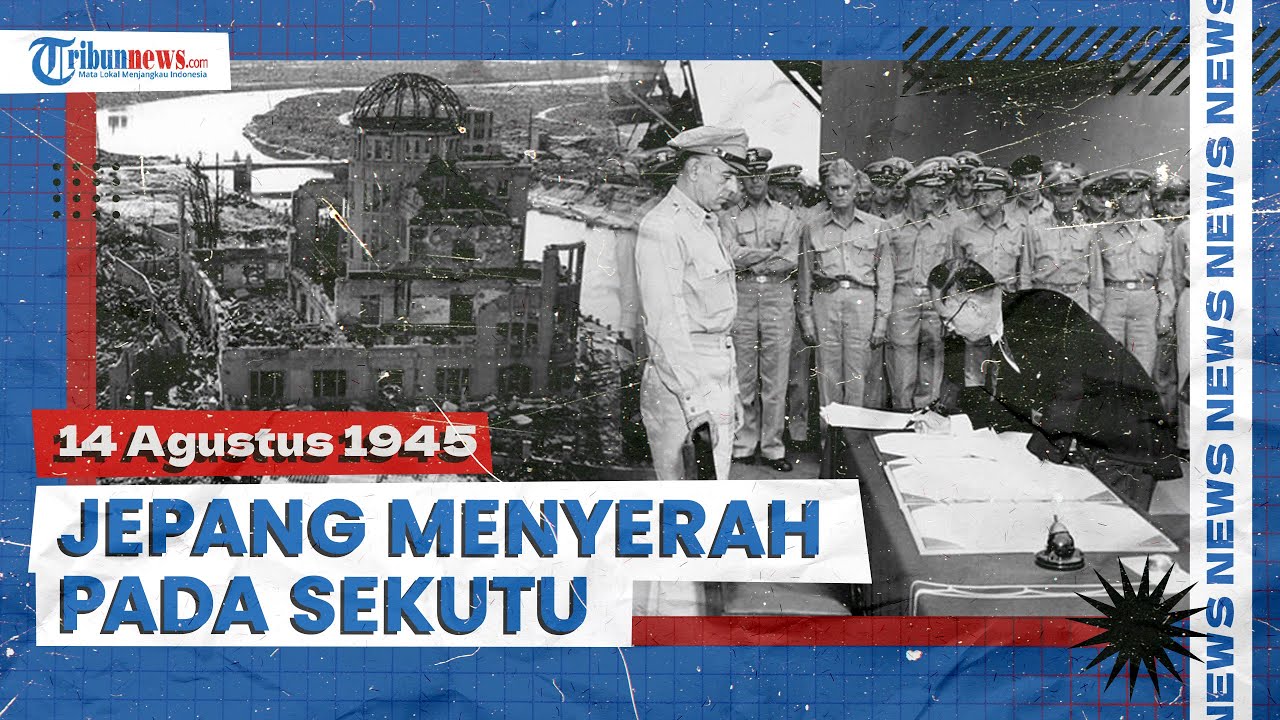
14 Agustus 1945, Kronologi Jepang Menyerah Tanpa Syarat ke Sekutu, Tutupi Kabar dari Indonesia

Kronologi “Proklamasi Kemerdekaan Indonesia” 🇮🇩

Peristiwa-Peristiwa Penting Menjelang Indonesia Merdeka

Detik-Detik Proklamasi Kemerdekaan Indonesia | Short Movie | Sejarah Indonesia
SIMAK! Detik-detik Hiroshima & Nagasaki di Bom, Peristiwa Sejarah Sebelum Proklamasi RI
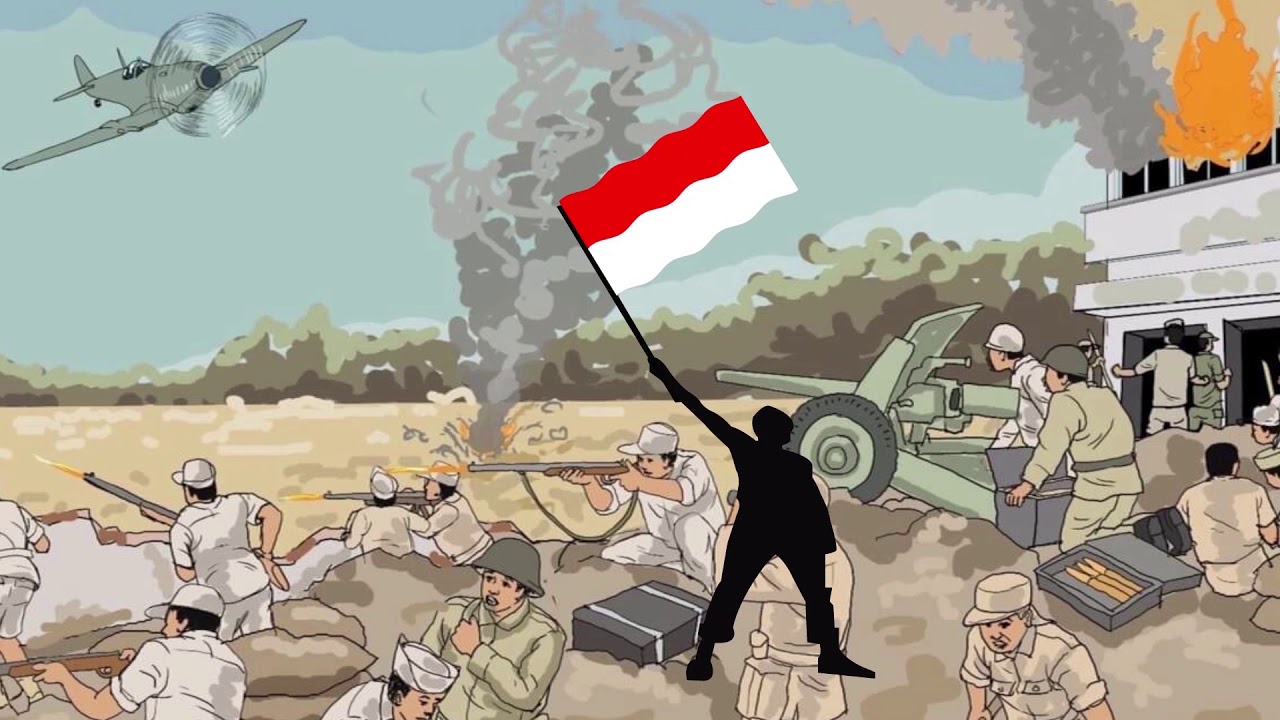
Sejarah (Kedatangan Sekutu serta Perjuangan Mempertahankan Kemerdekaan)
5.0 / 5 (0 votes)

