Top 5 Best Phones for Astrophotography 2025
Summary
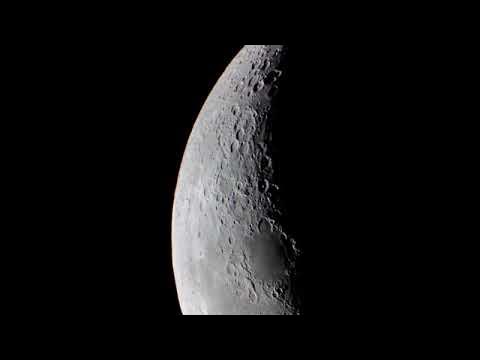
TLDRThis video explores the best smartphones for astrophotography, showcasing top models that excel in capturing the night sky. Featured phones include the Google Pixel 9 Pro, Samsung Galaxy S25 Ultra, Apple iPhone 16 Pro Max, Samsung Galaxy S24 Ultra, and Google Pixel 8 Pro. Each phone is highlighted for its unique features like powerful sensors, advanced night modes, AI-driven image processing, and manual controls for astrophotographers. Whether you're a beginner or an expert, these phones offer outstanding performance for capturing stars, the Milky Way, and other celestial wonders with ease.
Takeaways
- 😀 The best smartphones for astrophotography offer powerful cameras, night mode features, and advanced image processing to capture the beauty of the night sky.
- 😀 The Google Pixel 9 Pro is praised for its dedicated astrophotography mode, featuring a 50MP main sensor and an easy-to-use stacking feature that produces noise-free, sharp images of stars and nebulae.
- 😀 The Pixel 9 Pro also offers a time-lapse mode for capturing dynamic videos of star trails, and its Tensor G4 chipset ensures accurate color processing.
- 😀 The Samsung Galaxy S25 Ultra excels with its massive 200MP main sensor, AI-driven image processing, and manual controls for shutter speed, ISO, and focus, making it a top choice for advanced astrophotographers.
- 😀 The iPhone 16 Pro Max lacks a dedicated astrophotography mode but uses its Night Mode and Pro RAW format for excellent low-light performance, with the flexibility to adjust settings using third-party apps.
- 😀 The S25 Ultra’s Pro mode allows precise manual control of astrophotography settings, making it ideal for capturing distant stars, galaxies, and nebulae with great detail.
- 😀 The Samsung Galaxy S24 Ultra, while a step behind the S25 Ultra, still offers impressive performance with its 200MP sensor, versatile lens array, and reliable low-light performance.
- 😀 The Pixel 8 Pro, while slightly older, is still a strong choice for beginners with its intuitive astrophotography mode, offering AI-powered stacking and time-lapse features.
- 😀 The Pixel 8 Pro and Pixel 9 Pro both have limitations like 16MP output due to pixel binning, which could limit use for large prints or detailed editing.
- 😀 The iPhone 16 Pro Max’s RAW support and color accuracy make it a favorite for those who prefer fine-tuning their astrophotography shots post-processing, but its manual controls are more limited compared to some Android competitors.
Q & A
What is the main feature of the Google Pixel 9 Pro that makes it stand out in astrophotography?
-The Google Pixel 9 Pro stands out for its dedicated astrophotography mode, which uses the night sight feature to automatically stack multiple 16-second exposures, producing a noise-free image with sharp stars and vibrant details.
How does the Google Pixel 9 Pro handle astrophotography for beginners?
-The Pixel 9 Pro is beginner-friendly, as it requires minimal manual adjustments. The astrophotography mode automatically handles image stacking and processing, allowing users to focus on capturing the night sky without needing advanced technical knowledge.
What limitations does the Google Pixel 9 Pro have when it comes to astrophotography?
-The Pixel 9 Pro's images are capped at 16MP due to pixel binning, which can be limiting for users who want higher resolution shots for large prints. Additionally, the astrophotography mode lacks granular manual controls, which might be a drawback for advanced users.
What makes the Samsung Galaxy S25 Ultra a strong contender for astrophotography?
-The Galaxy S25 Ultra features a 200MP main sensor with an f/1.7 aperture and advanced AI-driven image processing, making it excellent for capturing intricate details in low-light conditions. Its night mode merges multiple exposures to reduce noise and enhance clarity, and it offers manual controls for shutter speed, ISO, and focus.
How does the Samsung Galaxy S25 Ultra's Pro mode enhance astrophotography?
-The Pro mode on the S25 Ultra provides manual controls for shutter speed, ISO, and focus, allowing experienced astrophotographers to fine-tune settings for specific conditions, such as reducing star streaking during long exposures.
What are the drawbacks of using the Samsung Galaxy S25 Ultra for astrophotography?
-The S25 Ultra's astrophotography performance in auto mode can be less consistent than the Pixel 9 Pro's, as it relies more on user input. Additionally, the high price tag might be a barrier for some users.
What is the key astrophotography feature of the Apple iPhone 16 Pro Max?
-The iPhone 16 Pro Max excels in astrophotography through its night mode and Pro RAW format, which combines multiple exposures to capture detailed images of the night sky. The Pro RAW format also allows for better post-processing flexibility, enabling astrophotographers to enhance faint stars and reduce noise.
How does the iPhone 16 Pro Max compare to its competitors in terms of manual controls for astrophotography?
-While the iPhone 16 Pro Max provides excellent image processing and post-processing flexibility, it lacks a dedicated astrophotography mode and offers limited manual controls compared to Android competitors, requiring users to use third-party apps for long exposures and additional setup.
What feature of the Samsung Galaxy S24 Ultra is particularly useful for astrophotography?
-The Samsung Galaxy S24 Ultra's Pro mode allows users to adjust shutter speed, ISO, and focus up to 30 seconds, offering precise control over long exposures and minimizing issues like star trailing or overexposure.
What is a limitation of the Samsung Galaxy S24 Ultra for astrophotography?
-The main limitation of the Galaxy S24 Ultra is its tendency to overprocess images in auto mode, leading to unnatural colors in certain conditions. It also faces stiff competition from newer models like the S25 Ultra, which offer incremental improvements.
How does the Google Pixel 8 Pro handle astrophotography, and who is it most suitable for?
-The Pixel 8 Pro is a user-friendly option for astrophotography, especially for beginners. It features a night sight mode with a dedicated astrophotography setting, which stacks multiple exposures to produce clear, detailed images of the night sky. Its ease of use and affordability make it a great choice for those starting out in astrophotography.
What are the main drawbacks of the Google Pixel 8 Pro in astrophotography?
-The main drawbacks of the Pixel 8 Pro are its 16MP output due to pixel binning, which limits large-scale prints, and its telephoto lens, which performs less effectively in low light compared to other models like the S25 Ultra or iPhone 16 Pro Max.
Outlines

このセクションは有料ユーザー限定です。 アクセスするには、アップグレードをお願いします。
今すぐアップグレードMindmap

このセクションは有料ユーザー限定です。 アクセスするには、アップグレードをお願いします。
今すぐアップグレードKeywords

このセクションは有料ユーザー限定です。 アクセスするには、アップグレードをお願いします。
今すぐアップグレードHighlights

このセクションは有料ユーザー限定です。 アクセスするには、アップグレードをお願いします。
今すぐアップグレードTranscripts

このセクションは有料ユーザー限定です。 アクセスするには、アップグレードをお願いします。
今すぐアップグレード



5.0 / 5 (0 votes)

