PERANAN UMAT ISLAM DI INDONESIA -- Ungkap Misteri SUPERSEMAR-- Bagian II
Summary
TLDRThe video delves into the complex history of Islam's political influence in Indonesia, tracing the struggles and political shifts from the Sukarno era to the Reformasi period. It highlights key events, such as the G30S PKI, the rise of Suharto, and the suppression of Islamic political parties under the New Order. It also explores the challenges faced by Islamic groups in the 1999 and 2004 elections, and the evolving political dynamics of Islam in contemporary Indonesia. The video raises questions about the future role of Islam in the nation's political landscape.
Takeaways
- 😀 The political role of Islam in Indonesia faced challenges during the New Order (Orde Baru) and Reformasi periods, as Islamic-based political parties struggled to maintain influence.
- 😀 The tension between President Soekarno and the Indonesian military intensified, particularly after the 1965 G30S/PKI incident, leading to Soekarno’s eventual downfall.
- 😀 The military, led by Major General Soeharto, capitalized on the political unrest and took control of the government through the issuance of the 'Supersemar' decree in 1966, which gave Soeharto sweeping powers.
- 😀 Soeharto's rise to power was supported by the military, and he used his influence to dismantle the PKI, which had been a major political force under Soekarno.
- 😀 Despite being a loyalist of Soekarno, Soeharto used the political chaos and the G30S/PKI incident to secure his position, and rumors arose about his involvement in the anti-Soekarno forces.
- 😀 The Indonesian military and Islamic groups played significant roles in suppressing the PKI and curbing communism, which was seen as a threat to the nation's Pancasila ideology.
- 😀 After the Supersemar, Soeharto further solidified his control by eliminating key pro-Soekarno figures and reorganizing the political landscape.
- 😀 During Soeharto's regime, Islamic parties faced suppression, and Soeharto's political strategy involved minimizing the power of Islamic-based parties in favor of a more centralized, militarized political system.
- 😀 Despite early collaboration with Islamic leaders, Soeharto's policies led to growing discontent among Muslims, with many feeling marginalized and their political influence diminished.
- 😀 In the Reformasi period post-1998, Islamic political parties experienced a resurgence, but they faced significant challenges in competing with nationalistic parties, reflecting shifts in Indonesia's political landscape.
Q & A
What role did Indonesian Muslims play in the political events following the G30S PKI in 1965?
-Indonesian Muslims, including students and youth, actively protested and demonstrated against PKI, demanding its dissolution. Their actions contributed to political pressure on President Sukarno, which ultimately led to the issuance of the Supersemar and the decline of PKI influence.
What was the significance of Tritura in the political shift of 1966?
-Tritura, consisting of three demands—dissolution of PKI, cabinet reorganization, and reduction of basic commodity prices—was a major public protest that gained support from the military. It pressured President Sukarno, leading to political concessions and setting the stage for Soeharto's rise.
What was Supersemar and how did it change the balance of power in Indonesia?
-Supersemar (11 March 1966) was a presidential order given to Soeharto, granting him authority to restore security and order. It shifted power from Sukarno to Soeharto, enabling the military to suppress PKI and consolidate control, eventually leading to Sukarno's political marginalization.
How did Soeharto consolidate power during the early Orde Baru era?
-Soeharto consolidated power by limiting the number of political parties, creating Golkar as the dominant party, controlling elections, and suppressing Islamic political parties and critical Islamic leaders, ensuring military and bureaucratic loyalty.
How were Islamic political parties treated under Orde Baru?
-Islamic parties were merged into the Partai Persatuan Pembangunan (PPP) and heavily controlled by the government. Leaders and activists who opposed the regime were often detained, while their political influence was restricted, reducing their ability to challenge Soeharto's rule.
What strategies did Muslims adopt in response to marginalization during Orde Baru?
-Muslims shifted focus to social, educational, and cultural initiatives, including dakwah, community service, and school development, to maintain influence and continue promoting Islamic values without directly confronting the government.
What was the outcome for Islamic political parties in the 1999 Indonesian general election?
-Despite a political revival after the fall of Soeharto, Islamic parties such as PKB, PAN, and PBB failed to secure the majority and were defeated by nationalistic parties like PDIP and Golkar. However, strategic positions, such as the MPR chairmanship, were still captured by Islamic figures.
How did the leadership of Gus Dur illustrate the influence of Islamic groups in Reformasi Indonesia?
-Gus Dur, from an Islamic background, was elected president through MPR support, showing that while Islamic parties lacked mass electoral dominance, strategic coalition-building allowed Islamic leaders to attain high political office.
What trends in voter support for Islamic parties are evident in the 2024 election?
-In 2024, support for Islamic-based parties was divided. Many Muslims supported candidates from nationalist parties, while some Islamic groups backed other candidates, indicating ideological flexibility and a shift from purely religious-based political alignment.
What are the main challenges faced by Islamic parties in contemporary Indonesian politics?
-Islamic parties struggle with fragmented voter bases, competition from nationalist parties, dilution of ideological identity, and the need to navigate pragmatic alliances to remain politically relevant, as seen in the post-1999 electoral trends.
How did the events surrounding G30S PKI influence the role of the military in Indonesian politics?
-The events allowed the military, particularly Soeharto, to gain significant political power. The military acted decisively to suppress PKI, control the government, and centralize authority, establishing a model where the military became a dominant political actor in Orde Baru.
Outlines

このセクションは有料ユーザー限定です。 アクセスするには、アップグレードをお願いします。
今すぐアップグレードMindmap

このセクションは有料ユーザー限定です。 アクセスするには、アップグレードをお願いします。
今すぐアップグレードKeywords

このセクションは有料ユーザー限定です。 アクセスするには、アップグレードをお願いします。
今すぐアップグレードHighlights

このセクションは有料ユーザー限定です。 アクセスするには、アップグレードをお願いします。
今すぐアップグレードTranscripts

このセクションは有料ユーザー限定です。 アクセスするには、アップグレードをお願いします。
今すぐアップグレード関連動画をさらに表示

PERANAN UMAT ISLAM DI INDONESIA -- Ungkap Juga Misteri Negara Islam--Bagian I
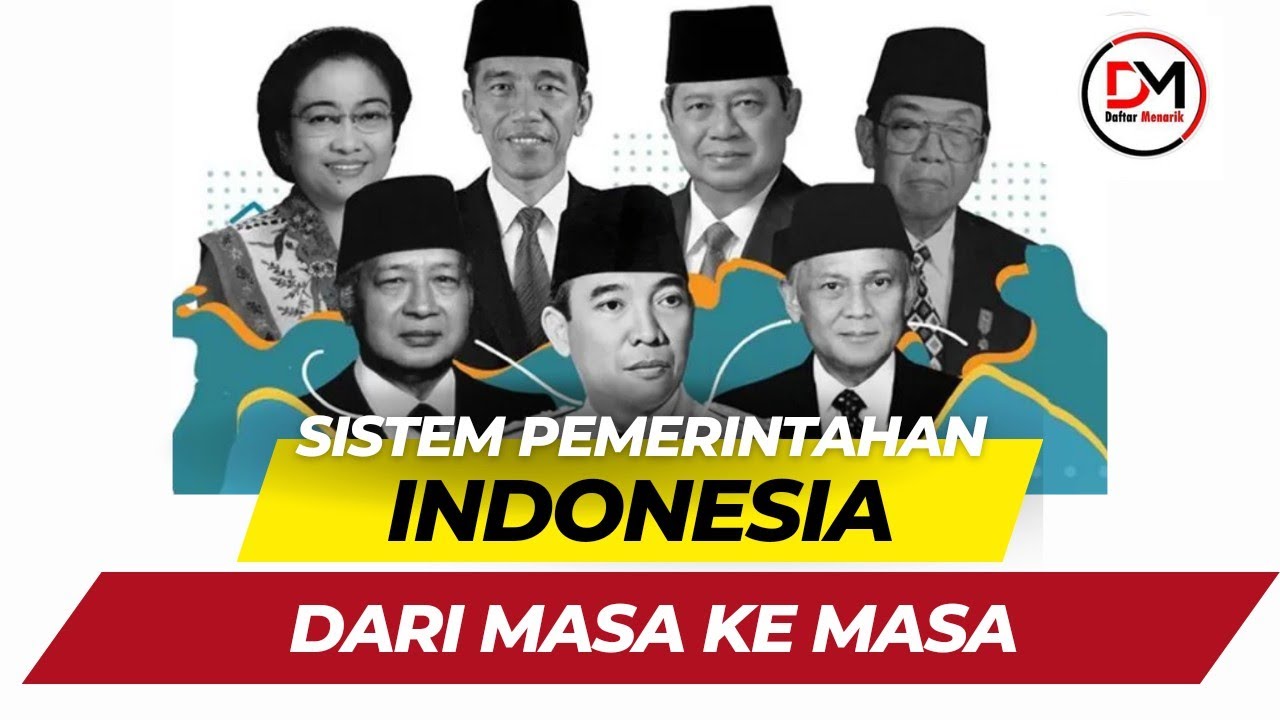
SISTEM PEMERINTAHAN INDONESIA DARI MASA KE MASA

Melawan Lupa - Pemasungan Gerakan Perempuan Pada Masa Orde Baru

Demokrasi

Demokrasi Liberal di Indonesia | Sistem Parlementer | #sejarahindonesia #demokrasi

Bagaimana Sebenarnya Reformasi 1998 Terjadi?
5.0 / 5 (0 votes)

