Pirámide de Maslow: La jerarquía de las necesidades humanas (Resumen Animado)
Summary
TLDRThe video explores Maslow's hierarchy of human needs, a psychological theory proposed by Abraham Maslow in 1943. It explains how humans progress from basic physiological needs like food, water, and shelter, to safety, social connections, esteem, and finally self-actualization. The speaker details each level, highlighting the distinction between high and low esteem needs, and how satisfying them supports personal growth and life purpose. The video also references a 2011 study challenging the strict sequence of Maslow's pyramid, suggesting that recognition and self-actualization can influence happiness even if basic needs are not fully met, emphasizing the ongoing exploration of human motivation.
Takeaways
- 😀 Maslow's Hierarchy of Needs is a psychological theory proposed by Abraham Maslow in 1943, emphasizing a hierarchy of human needs.
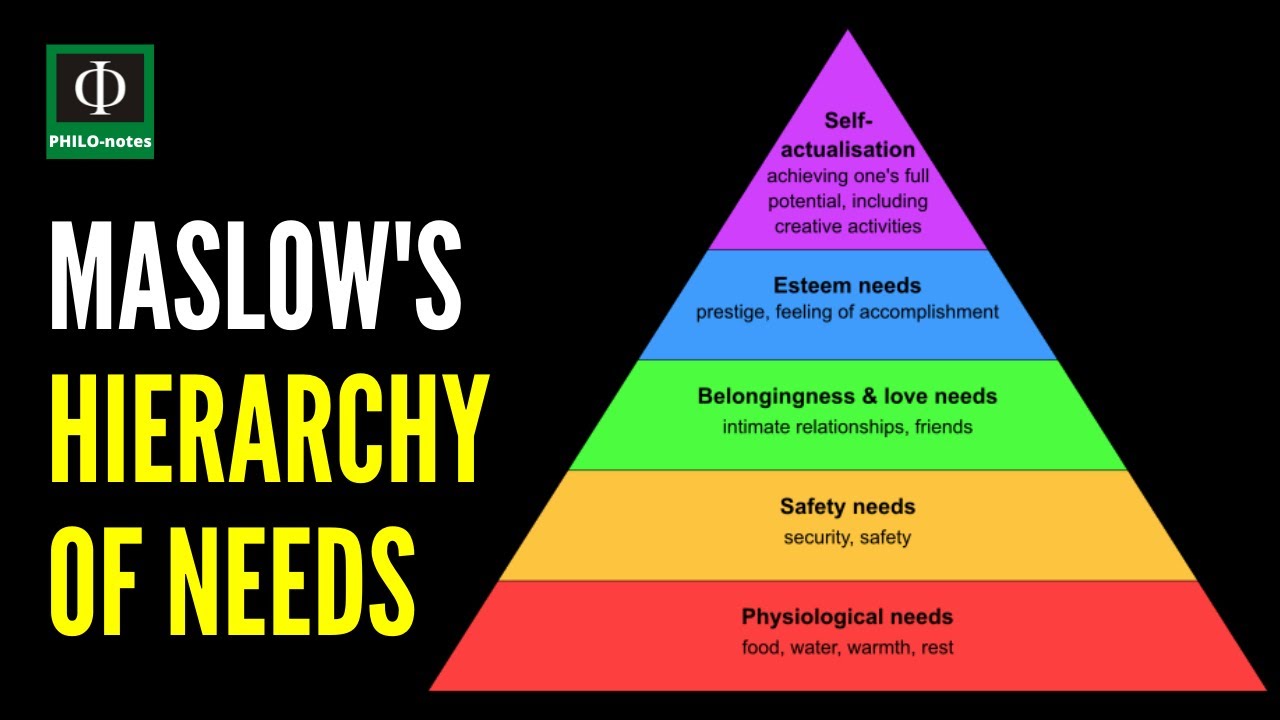
- 😀 The first level of the pyramid represents physiological needs, such as the need for air, water, food, sleep, and shelter.
- 😀 The second level involves safety and security needs, including personal safety, health, resources, and a stable living environment.
- 😀 Social needs form the third level, covering the need for relationships, friends, family, and social acceptance.
- 😀 The fourth level addresses esteem needs, which Maslow divided into high esteem (self-respect, confidence, achievement) and low esteem (respect from others, recognition, and status).
- 😀 The fifth and final level is self-actualization, where individuals strive to fulfill their highest potential and personal growth.
- 😀 A 2011 study by the University of Illinois challenged the sequential nature of Maslow’s pyramid, suggesting people can pursue higher-level needs even if basic ones are unmet.
- 😀 According to the study, recognition and self-actualization can significantly contribute to happiness, even without the fulfillment of lower-level needs.
- 😀 Maslow’s hierarchy has influenced various fields like psychology, business, and marketing, but modern psychology recognizes its limitations in fully explaining human motivation.
- 😀 While the pyramid may not be an absolute model for human behavior, it remains a foundational theory in the study of motivation.
- 😀 The critique of Maslow's theory highlights that the order of needs may not be as rigid as originally proposed, and individual experiences vary.
Q & A
What is Maslow's hierarchy of needs?
-Maslow's hierarchy of needs is a psychological theory proposed by Abraham Maslow in 1943. It suggests that human needs are organized in a hierarchical order, where more basic needs must be satisfied before higher-level needs can be addressed.
What is the first level in Maslow's pyramid?
-The first level of Maslow's pyramid includes basic physiological needs necessary for survival, such as the need for air, food, water, sleep, shelter, and clothing.
What are the second-level needs in Maslow's pyramid?
-The second level consists of safety and protection needs. These include the need for personal security, health, financial resources, and a safe place to live.
What do social needs in Maslow's pyramid refer to?
-Social needs, found on the third level of the pyramid, relate to the human desire for relationships, including friendships, family, and romantic partners. They also include the need to be accepted by society or social groups.
What is the difference between high-esteem and low-esteem needs in Maslow's hierarchy?
-High-esteem needs focus on self-respect and include feelings of confidence, competence, mastery, and independence. Low-esteem needs are centered around gaining respect from others, such as seeking recognition, status, and fame.
How does the lack of esteem needs affect an individual?
-The lack of esteem needs can lead to low self-esteem and feelings of inferiority. Satisfying these needs supports a sense of purpose and self-worth.
What is self-actualization in Maslow's pyramid?
-Self-actualization is the highest level of Maslow's pyramid. It represents the fulfillment of one's potential and the achievement of personal growth and creativity. This need is only pursued after the previous levels have been satisfied.
What does the 2011 study from the University of Illinois reveal about Maslow's hierarchy?
-The 2011 study found that the satisfaction of both recognition and self-actualization needs was correlated with happiness, even when basic needs were not fully met. This challenges Maslow's idea that needs must be satisfied in a strict order.
Why does the 2011 study question Maslow's theory?
-The study questioned the sequentiality of Maslow's pyramid, suggesting that recognition and self-actualization can be important even when basic needs are unmet, which contradicts Maslow's original theory that basic needs must be fully satisfied first.
What is the relevance of Maslow's pyramid in modern psychology?
-Maslow's pyramid continues to serve as a reference point in psychological studies about motivation, though modern research suggests that human needs may not follow the strict hierarchical order proposed by Maslow.
Outlines

このセクションは有料ユーザー限定です。 アクセスするには、アップグレードをお願いします。
今すぐアップグレードMindmap

このセクションは有料ユーザー限定です。 アクセスするには、アップグレードをお願いします。
今すぐアップグレードKeywords

このセクションは有料ユーザー限定です。 アクセスするには、アップグレードをお願いします。
今すぐアップグレードHighlights

このセクションは有料ユーザー限定です。 アクセスするには、アップグレードをお願いします。
今すぐアップグレードTranscripts

このセクションは有料ユーザー限定です。 アクセスするには、アップグレードをお願いします。
今すぐアップグレード




5.0 / 5 (0 votes)

