VIDEO EDUKASI TENTANG OBAT HIGH ALERT DAN PENGGUNAAN FORM DOUBLE CHECK
Summary
TLDRThis educational presentation by a hospital pharmacist highlights the critical importance of managing high-alert medications to ensure patient safety. It explains that these drugs carry a high risk of serious errors and adverse reactions, emphasizing the need for strict handling procedures. The video outlines key roles of pharmacy staff, including creating medication lists, special storage, labeling, and double-check systems. It also describes classification categories such as look-alike sound-alike drugs, high-concentration electrolytes, and cytostatics. Through structured verification and distribution processes, including the ‘9 rights’ principle, the presentation aims to reduce medication errors and improve the quality of healthcare services.
Takeaways
- 😀 The video is presented by Sari Ismaniar, a pharmacist at the Aceh Tamiang General Hospital, aiming to educate and motivate staff for high-quality hospital service.
- 😀 The theme of the video is about 'high alert drugs' and the use of the double-check form to ensure medication safety.
- 😀 High alert drugs are medications that pose a high risk of causing serious medication errors and unwanted drug reactions.
- 😀 The main goals of managing high alert drugs are to enhance patient safety and prevent medication errors before and after administration.
- 😀 Pharmacists play a key role by creating high alert drug lists, ensuring special storage, performing double-checks during distribution, and monitoring these drugs.
- 😀 According to Indonesian Ministry of Health Regulation No. 72 of 2016, high alert drugs are categorized into three types: LASA (look-alike, sound-alike), high-concentration electrolytes, and cytostatics.
- 😀 Each high alert drug is labeled with a red 'highlight' sticker, and LASA drugs have a specific 'LASA' sticker to prevent confusion.
- 😀 High alert drugs must be stored separately in restricted access areas; cytostatics, narcotics, and psychotropics require locked cabinets.
- 😀 High-concentration electrolytes may be kept in emergency trolleys but must not remain in care units except when needed clinically, with usage reported to pharmacy.
- 😀 The distribution process involves verification of prescriptions for accuracy, preparation with proper labeling, a first pharmacy check, and a second verification by a different pharmacist before delivery to the patient.
- 😀 The video emphasizes the importance of using the double-check form to ensure safety and proper communication of information when delivering high alert drugs to patients or nurses.
Q & A
What are high alert medications?
-High alert medications are drugs that must be handled with special caution because they have a high risk of causing serious errors and adverse effects if used incorrectly.
Why are high alert medications considered dangerous?
-They are considered dangerous because even small errors in their use can lead to severe patient harm or life-threatening reactions.
What are the main goals of managing high alert medications?
-The main goals are to improve patient safety and to prevent medication errors before and after the medication reaches the patient.
What roles do pharmacists play in managing high alert medications?
-Pharmacists are responsible for creating high alert medication lists, ensuring proper storage and labeling, performing double checks during distribution, and monitoring medication use.
What are the three categories of high alert medications according to regulations?
-The three categories are LASA (Look-Alike Sound-Alike) medications, high-concentration electrolytes, and cytostatic drugs.
What does LASA stand for and why is it important?
-LASA stands for Look-Alike Sound-Alike, referring to medications with similar names or appearances, which can easily lead to confusion and errors.
How should high alert medications be stored?
-They should be stored in a designated, separate area with restricted access and labeled with red 'High Alert' stickers, while LASA drugs have specific labels.
How are narcotics, psychotropics, and cytostatic drugs stored?
-These medications are stored in special locked cabinets to ensure safety and prevent misuse.
What are the rules for storing high-concentration electrolytes?
-They may be stored in emergency trolleys but should not be kept in care units unless necessary, and their use must be reported to the pharmacy.
What does the '9 rights' principle in medication administration include?
-It includes right patient, right ward, right prescribing doctor, right medication, right dosage form, right strength, right quantity, right expiration date, and right instructions for use.
What is the purpose of the double check process?
-The double check process ensures that medications are verified by two different pharmacy staff members to minimize the risk of errors before reaching the patient.
What are the steps involved in the double check process?
-First, one pharmacist prepares and labels the medication and fills out the form. Then, a second pharmacist rechecks it before the medication is handed over to the patient or nurse.
Why is labeling important for high alert medications?
-Labeling helps clearly identify high-risk drugs, reducing the likelihood of confusion and ensuring careful handling.
What is meant by medication distribution in a hospital setting?
-Medication distribution refers to the process of delivering pharmaceutical products from storage to patient care units or directly to patients.
How does proper management of high alert medications impact healthcare quality?
-It reduces medication errors, enhances patient safety, and improves the overall quality of healthcare services.
Outlines

Cette section est réservée aux utilisateurs payants. Améliorez votre compte pour accéder à cette section.
Améliorer maintenantMindmap

Cette section est réservée aux utilisateurs payants. Améliorez votre compte pour accéder à cette section.
Améliorer maintenantKeywords

Cette section est réservée aux utilisateurs payants. Améliorez votre compte pour accéder à cette section.
Améliorer maintenantHighlights

Cette section est réservée aux utilisateurs payants. Améliorez votre compte pour accéder à cette section.
Améliorer maintenantTranscripts

Cette section est réservée aux utilisateurs payants. Améliorez votre compte pour accéder à cette section.
Améliorer maintenantVoir Plus de Vidéos Connexes

HIGH ALERT Medication (Obat Dengan Kewaspadaan Tinggi)

SKP 3 Peningkatan Keamanan Obat yang Perlu Diwaspadai
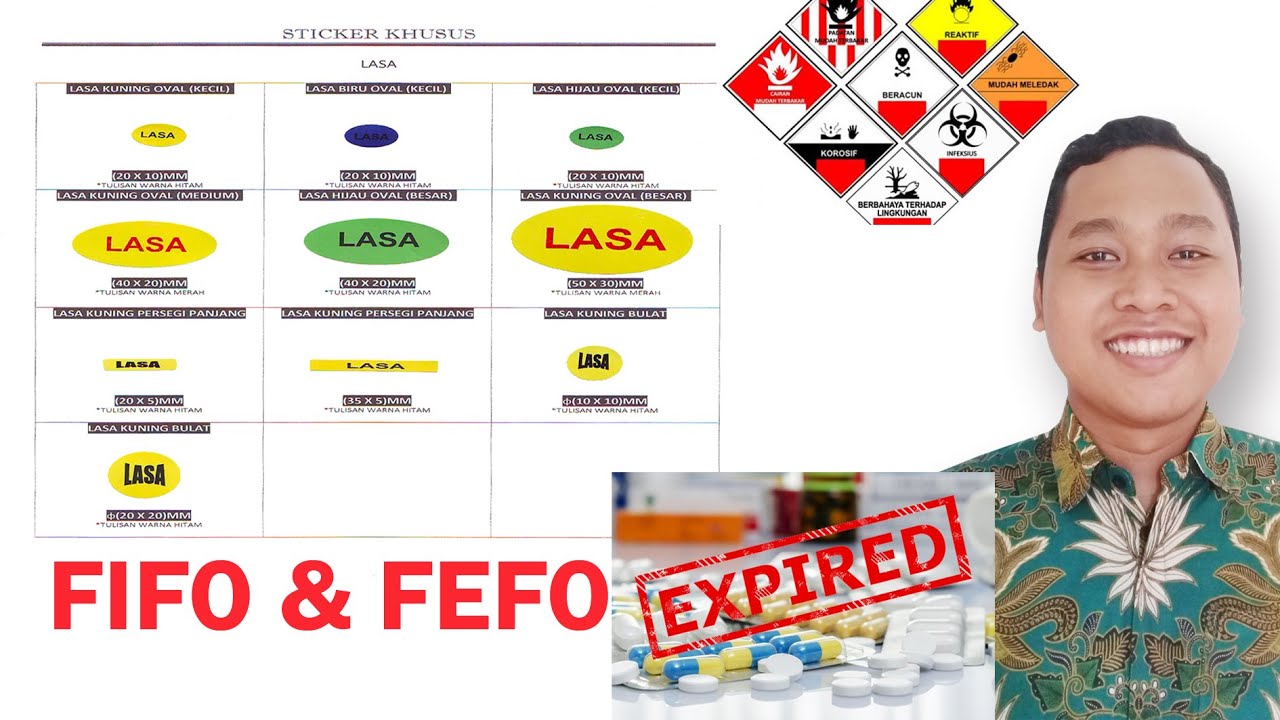
LASA (Look Alike Sound Alike) / NORUM (Nama Obat Rupa Ucapan Mirip) FIFO X FEFO

International Patient Safety Goals in less than 5 minutes الجودجي

CARDIAC ARREST EMERGENCY MANAGEMENT, UNCONSCIOUS PULSELESS PATIENT TREATMENT ACLS RHYTHM REVIEW 2021

#videoedukasi Proses Pemantauan Terapi Obat - Instalasi Farmasi RS PKU Muhammadiyah Gamping
5.0 / 5 (0 votes)

