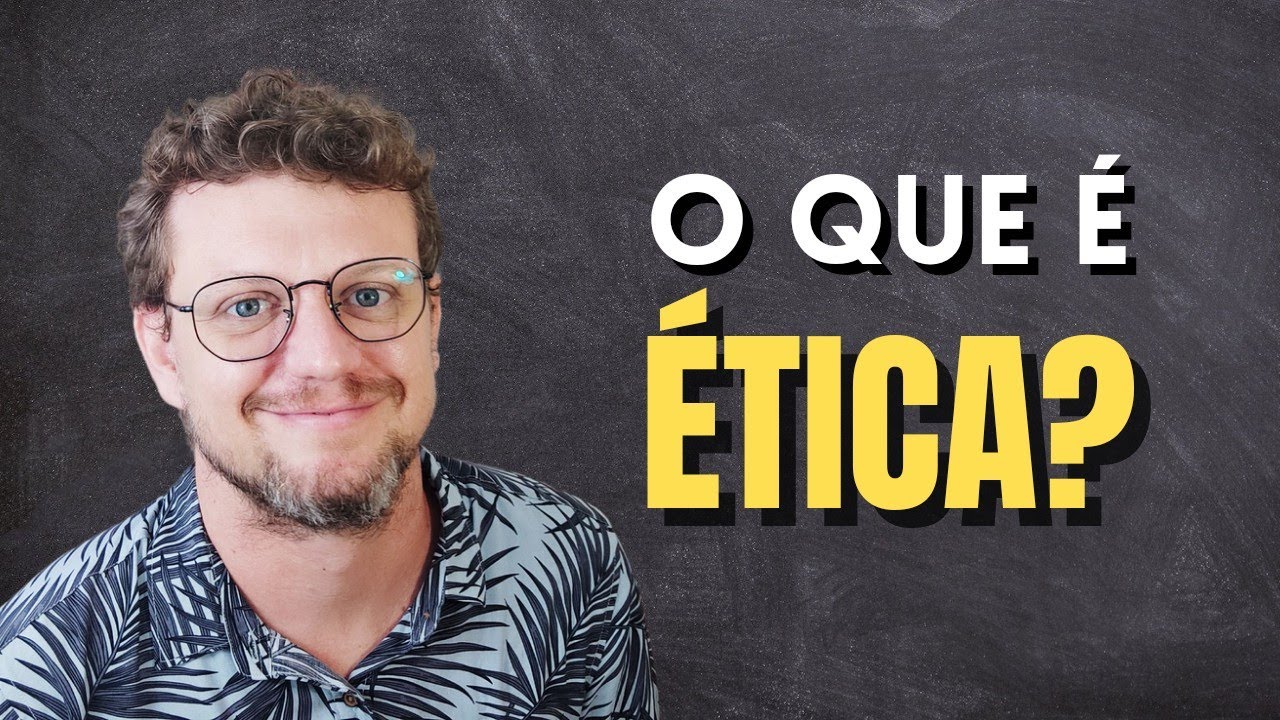
Aula 01 - 1.1 - Introdução à Ética e à Moral
Summary
TLDRThis video discusses the critical role of ethics and morality in professional development. It emphasizes the importance of developing both technical skills (hard skills) and behavioral competencies, particularly ethics, to ensure long-term career success. The video distinguishes between ethics and morality, explaining that while morality is the set of inherited values, ethics involves the reflective process that guides decision-making. The speaker highlights the evolution from rule-following to ethical autonomy, the social origins of moral values, and the need for consistency between personal and professional ethics for true integrity and effective leadership in the workplace.
Takeaways
- 😀 Ethics and morality are key concepts in professional development and individual formation.
- 😀 Hard skills, while essential, are no longer enough for career success; behavioral skills and ethics are crucial for long-term growth.
- 😀 Ethical judgment is more enduring than technical expertise, which can quickly become obsolete.
- 😀 Integrity is the 'invisible' differentiator in a world of high connectivity and transparency.
- 😀 Ethical failures can cause long-lasting damage to a company's reputation, while technical mistakes can be corrected.
- 😀 The difference between ethics and morality lies in practice vs. reflection: morality is about following habits, while ethics involves questioning and validating them.
- 😀 Maturity in a professional context comes from moving from heteronomy (following rules out of fear) to autonomy (acting based on personal conviction).
- 😀 Ethical autonomy involves understanding and legitimizing rules within a collective context, not just following them blindly.
- 😀 Moral values are socially constructed and influenced by family, education, and societal institutions; they are not inherent or innate.
- 😀 Recognizing the origin of one's moral values helps avoid biased or prejudiced decisions, especially in diverse professional environments.
- 😀 Corporate citizenship teaches that personal and professional ethics are inseparable. A professional must align their values both at home and in the workplace for true integrity.
Q & A
What is the difference between ethics and morality in the context of professional development?
-Morality refers to the set of values, customs, and habits we practice automatically, inherited from society, while ethics is the study of these moral principles. Ethics involves critical reflection and questioning why we follow certain rules, whereas morality is the practice of those habits.
Why are ethical and moral values important in the professional world?
-While technical skills may get you hired, ethical and moral values sustain your career long-term. In an era of rapid technological change, moral judgment and integrity become key to professional growth and survival.
What is the role of hard skills in the job market compared to ethics?
-Hard skills are crucial for securing a job, but ethics and behavioral competencies are necessary for long-term career success. Ethics ensures that professionals maintain integrity, trustworthiness, and the ability to make sound decisions in challenging situations.
How does the evolution from heteronomy to autonomy relate to professional growth?
-In the early stages of a career, professionals follow rules due to external authority or fear of punishment (heteronomy). As they mature, they reach autonomy, where they follow ethical principles out of conviction, enabling them to make decisions based on values and reason.
What does autonomy mean in terms of moral development in the workplace?
-Autonomy means acting based on one’s own ethical principles, not just following rules. An autonomous professional makes decisions grounded in values and principles, especially in leadership roles, where they create just norms and take responsibility for them.
Where do the moral values that guide our behavior come from?
-Moral values are not innate. They are social constructs learned first within families, and later reinforced or challenged by institutions like schools and universities. These values are shaped by historical and cultural contexts.
Why is it important for decision-makers to understand the origins of their moral values?
-Recognizing that morality is collective and constructed helps decision-makers identify their own biases and prejudices. This awareness prevents automatic judgments and ensures fairness in decision-making, particularly in diverse corporate environments.
How does the concept of 'business is business' contrast with the idea of corporate citizenship?
-'Business is business' suggests a separation of personal ethics from corporate actions. However, corporate citizenship teaches that personal ethics and professional behavior cannot be separated. Ethical decisions in personal life should align with those made in the workplace to maintain integrity.
What is the relationship between ethical behavior and mental health in the workplace?
-When professionals try to act ethically in their personal life but disregard these principles at work, it leads to cognitive dissonance, impacting their mental health and damaging the organization’s reputation. Integrity requires consistency across both personal and professional life.
How does integrity play a crucial role in professional success?
-Integrity is a cornerstone of professional success, as it builds trust and respect in the workplace. A lack of integrity, on the other hand, can harm an organization’s reputation and hinder a professional's career advancement.
Outlines

Cette section est réservée aux utilisateurs payants. Améliorez votre compte pour accéder à cette section.
Améliorer maintenantMindmap

Cette section est réservée aux utilisateurs payants. Améliorez votre compte pour accéder à cette section.
Améliorer maintenantKeywords

Cette section est réservée aux utilisateurs payants. Améliorez votre compte pour accéder à cette section.
Améliorer maintenantHighlights

Cette section est réservée aux utilisateurs payants. Améliorez votre compte pour accéder à cette section.
Améliorer maintenantTranscripts

Cette section est réservée aux utilisateurs payants. Améliorez votre compte pour accéder à cette section.
Améliorer maintenantVoir Plus de Vidéos Connexes




5.0 / 5 (0 votes)

