Hangi likidite seviyeleri önemlidir ? ICT Concepts türkçe
Summary
TLDRIn this video, the speaker explains key concepts around liquidity and how to identify important liquidity zones in the market. They discuss how to analyze different sessions (London, New York) and past price movements to understand where liquidity is likely to accumulate. By using tools like FVGs (Fair Value Gaps) and analyzing market displacements, the speaker provides insights on how to predict potential price movements based on liquidity areas. The approach encourages trading based on probabilities, and highlights the importance of learning and understanding liquidity before making any trades.
Takeaways
- 😀 Focus on liquidity points: Identify key liquidity areas such as session highs and lows for trading decisions.
- 😀 Understand session dynamics: Market behavior changes based on session (London, New York, etc.) liquidity and timing.
- 😀 Recognize the significance of FVG (Fair Value Gap): FVGs can be used to predict potential market moves.
- 😀 Liquidity from previous days is critical: Always consider the liquidity left over from prior trading sessions to predict market direction.
- 😀 Use top-down analysis: Start with a higher time frame (weekly) and work your way down to smaller time frames (daily, hourly, etc.) for accurate predictions.
- 😀 Be aware of displacement: Displacement signals changes in market structure and potential price direction.
- 😀 Risk management through probabilities: Trading should be based on probable outcomes, not certainty.
- 😀 New York Lunch liquidity is key: A specific time of day, known as New York Lunch, can be a significant liquidity zone to monitor.
- 😀 Market manipulation: Understand that retail traders' stops and orders can be targeted by market makers, especially at popular liquidity levels.
- 😀 Practice caution with small timeframes: Avoid relying on very small timeframes (like 5-minute charts) for major decisions; focus on higher timeframes for trend confirmation.
Q & A
What is the main focus of the video?
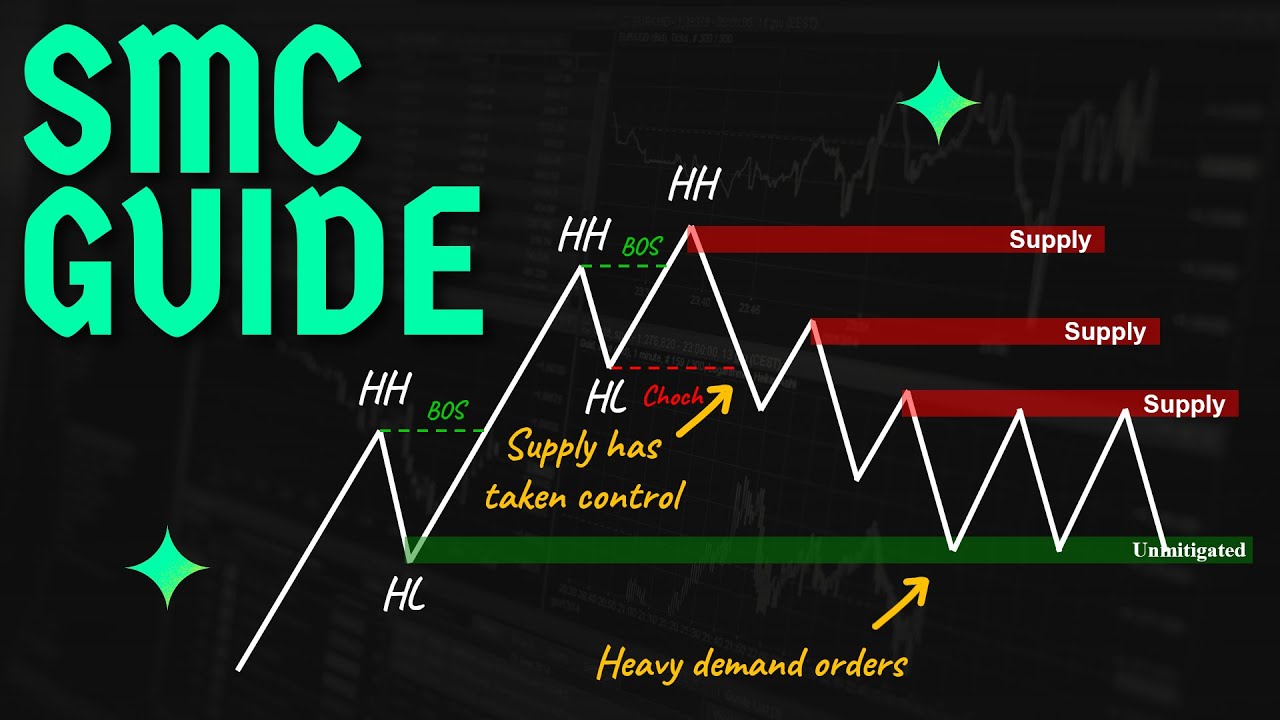
-The main focus of the video is on understanding liquidity in the market and how to identify key liquidity points during different trading sessions (like London, New York, etc.). It also discusses the importance of market structures, liquidity zones, and their interaction with Fair Value Gaps (FVG).
What is meant by 'Kill Zones' in trading?
-In the context of this video, 'Kill Zones' refer to specific times during market sessions (such as the London or New York sessions) where liquidity tends to accumulate. These zones are crucial for traders to identify, as they can provide high probability entry points.
How does the market react to liquidity from previous days?
-The market tends to revisit liquidity levels from previous sessions, including previous highs and lows. For example, the market might revisit a low from the previous day to collect liquidity before moving in the intended direction.
What role does the 'New York lunch' play in liquidity?
-The 'New York lunch' refers to a period during the New York session when liquidity accumulates due to traders' actions around lunch breaks. This time can often provide trading opportunities as liquidity is consolidated, making it a key time to watch for market moves.
What is an FVG (Fair Value Gap), and how does it relate to liquidity?
-An FVG (Fair Value Gap) is a gap in price action, typically caused by a strong move in one direction, which leaves behind an imbalance. These gaps are often revisited by the market to fill the imbalance, and traders look for these areas to enter positions once the gap is filled.
Why are higher timeframes, like weekly or daily charts, important in liquidity analysis?
-Higher timeframes, such as weekly or daily charts, give a broader perspective of the market and its major liquidity points. These larger timeframes provide significant reference points, such as weekly lows or highs, which are more likely to affect price action compared to smaller timeframes.
How can traders use market displacement to identify liquidity targets?
-Traders use market displacement (a sharp price move in one direction) to identify areas where liquidity is likely to be targeted. If displacement occurs and there’s no significant reaction at a key liquidity level, traders may look for continuation in the direction of the displacement.
What is meant by 'displacement' in market structure?
-Displacement refers to a sudden price movement in one direction, typically leaving behind an imbalance (such as an FVG). This disruption can indicate a shift in market sentiment and is often used by traders to identify potential targets for liquidity collection.
What are some common mistakes traders make when analyzing liquidity?
-Common mistakes include focusing too heavily on small-timeframe liquidity points or misinterpreting price movements without considering the broader market context. For example, traders may assume the market will react to a previous day’s low without factoring in larger timeframe structures or displacement patterns.
How does the concept of 'Smart Money' differ from retail traders in terms of liquidity analysis?
-Smart Money refers to institutional traders who are more focused on market structure and liquidity points that are not immediately obvious to retail traders. While retail traders may act based on obvious support and resistance, Smart Money tends to target areas where liquidity has accumulated and retail traders are likely to place their stops or orders, often leading to a reversal.
Outlines

Cette section est réservée aux utilisateurs payants. Améliorez votre compte pour accéder à cette section.
Améliorer maintenantMindmap

Cette section est réservée aux utilisateurs payants. Améliorez votre compte pour accéder à cette section.
Améliorer maintenantKeywords

Cette section est réservée aux utilisateurs payants. Améliorez votre compte pour accéder à cette section.
Améliorer maintenantHighlights

Cette section est réservée aux utilisateurs payants. Améliorez votre compte pour accéder à cette section.
Améliorer maintenantTranscripts

Cette section est réservée aux utilisateurs payants. Améliorez votre compte pour accéder à cette section.
Améliorer maintenantVoir Plus de Vidéos Connexes



5.0 / 5 (0 votes)

