Smart Home AI
Summary
TLDRThis video script explores the evolving role of AI in smart home technology, highlighting both its advantages and challenges. AI systems are revolutionizing home automation, allowing for intuitive control of devices through gesture recognition and machine learning. These innovations promise greater efficiency, energy savings, and enhanced convenience, but issues like security risks, high costs, and a steep learning curve for users remain. Despite these drawbacks, the integration of AI in homes offers financial benefits, improved accessibility, and increased market value for homes, making it a valuable yet evolving industry.
Takeaways
- 😀 AI is used in smart homes to automate tasks like controlling lights, temperature, and security systems based on user behavior.
- 😀 Many so-called AI smart home tools aren't truly AI but simple automation, lacking deeper learning capabilities.
- 😀 AI-powered smart homes use cameras and sensory nodes to observe user behavior and make adjustments based on learned patterns.
- 😀 Machine learning algorithms help AI systems in smart homes recognize subtle cues and preferences over time to adjust settings automatically.
- 😀 Smart home tech offers a minimalist design compared to older, clunky devices like bulky thermostats and locks.
- 😀 Smart thermostats like Nest can learn when you're away and adjust settings to save energy, improving cost efficiency.
- 😀 AI-controlled door locks can sense proximity, enhancing home security and user convenience.
- 😀 One of the biggest challenges for smart homes is hacking, with virtual intrusions posing a significant risk to security.
- 😀 The cost of smart home technology can be a barrier, with basic systems starting at $2,500, and advanced ones reaching up to $1.8 million.
- 😀 Smart home AI systems offer financial benefits, with energy savings reported to be between 10-30% on energy bills.
- 😀 While smart homes provide major convenience, they still face limitations in solving everyday household problems and rely heavily on current problem-solving capabilities.
Q & A
How is AI used in smart homes according to the transcript?
-AI is used in smart homes through cameras and sensors that observe user behavior. These devices adjust settings like temperature and lighting based on the user’s actions, learning and predicting preferences over time using machine learning and Bayesian inference.
What is machine learning's role in smart home AI systems?
-Machine learning enables the smart home AI to continuously learn from data collected over time. The system adapts to subtle cues and can predict user preferences, like adjusting the temperature before the user even realizes it’s needed.
What does 'Bayesian inference' mean in the context of smart homes?
-Bayesian inference is a process where the AI uses past data to predict future behaviors. In smart homes, this allows the system to learn user habits and predict optimal settings based on prior experiences.
What are some examples of current smart home technologies mentioned in the script?
-Examples include smart thermostats like Nest, automated door locks, and devices that help optimize energy use by adjusting based on the user's presence or absence in the home.
What are some of the potential security concerns with smart home AI?
-Security concerns include the risk of hacking, where attackers could potentially bypass security systems and gain unauthorized access to a home. As the market for smart homes is still small, developers are unsure about all the security challenges that may arise.
How does smart home technology save users money?
-Smart home technologies like thermostats can reduce energy consumption, leading to savings on energy bills. For instance, smart thermostats can cut energy costs by 10-30%, and automation tools help optimize energy efficiency.
What challenges do users face with smart home AI?
-Challenges include the high cost of implementation, which can be prohibitive for many, and the steep learning curve required to effectively use and manage smart home systems, especially for non-tech-savvy individuals.
What is one key benefit of smart homes for elderly or disabled residents?
-For elderly or disabled residents, smart home AI systems provide enhanced accessibility by enabling them to control their home environment more easily, improving their quality of life.
What financial advantage does smart home technology provide for homeowners?
-Smart home technology can increase a home's market value. Homes with automated systems are often more attractive to buyers and can sell for more than comparable homes with conventional technologies.
What are some of the limitations of current smart home technology mentioned in the script?
-Current smart home technologies are limited to basic tasks like controlling lighting and temperature, and don’t yet offer solutions for the wide range of everyday household problems. Also, the systems are still vulnerable to hacking, and many users find them difficult to manage due to their complexity.
Outlines

Cette section est réservée aux utilisateurs payants. Améliorez votre compte pour accéder à cette section.
Améliorer maintenantMindmap

Cette section est réservée aux utilisateurs payants. Améliorez votre compte pour accéder à cette section.
Améliorer maintenantKeywords

Cette section est réservée aux utilisateurs payants. Améliorez votre compte pour accéder à cette section.
Améliorer maintenantHighlights

Cette section est réservée aux utilisateurs payants. Améliorez votre compte pour accéder à cette section.
Améliorer maintenantTranscripts

Cette section est réservée aux utilisateurs payants. Améliorez votre compte pour accéder à cette section.
Améliorer maintenantVoir Plus de Vidéos Connexes
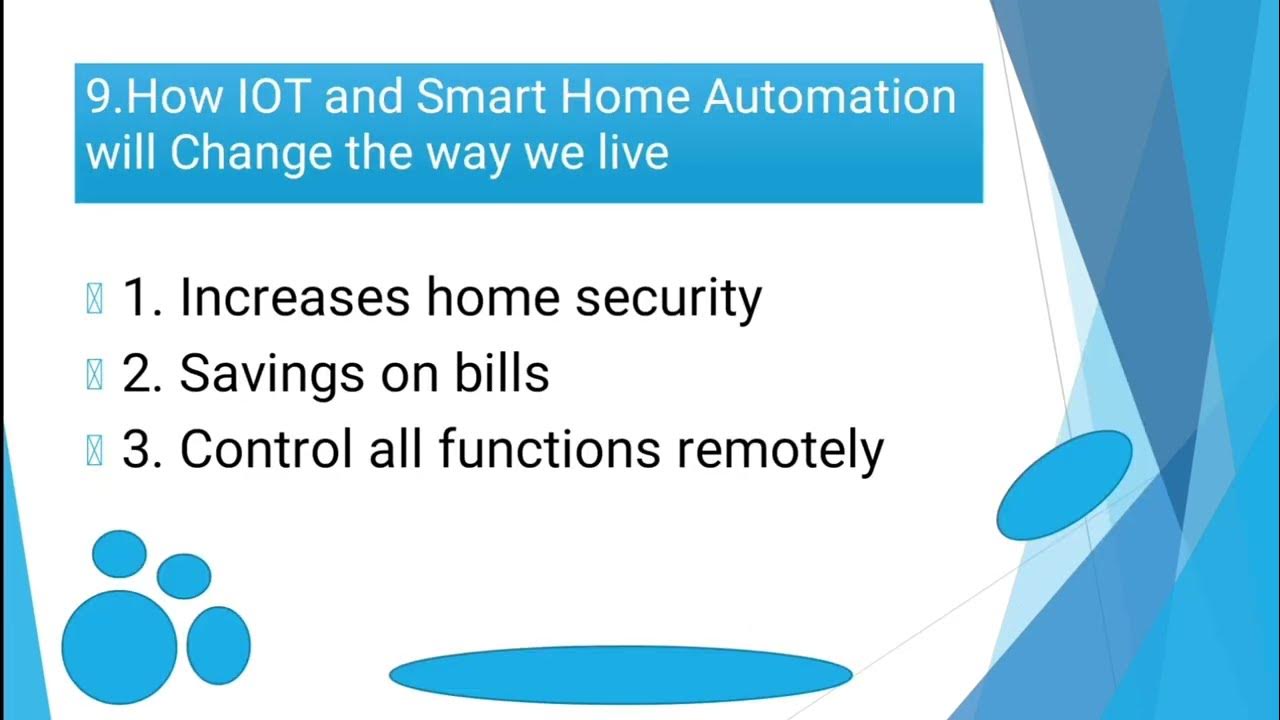
IOT Based Home Automation System

Solidity (A Linguagem dos Smart Contracts em Blockchains) // Dicionário do Programador

THE FUTURE OF FARMING | HOW AI IS CHANGING AGRICULTURE AS WE KNOW IT

Should You Even Study Computer Science Today?

Fake News: Existentialism and The Public
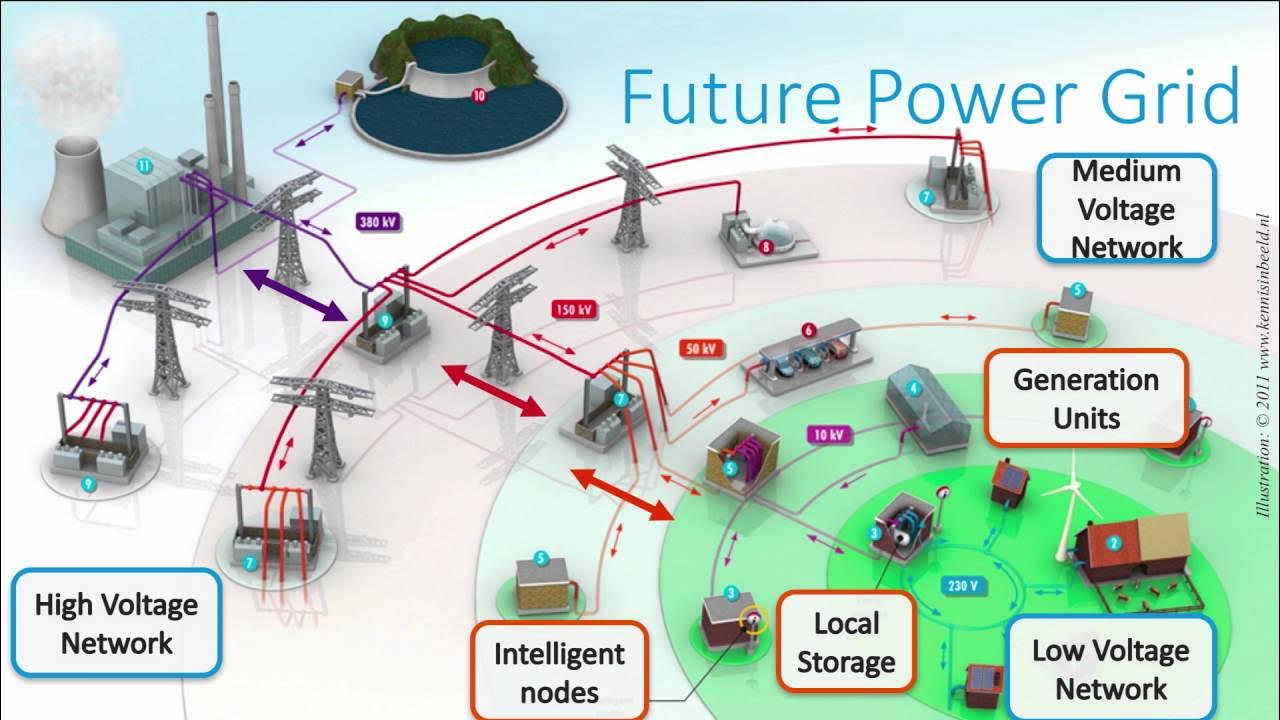
Overview of electric power systems - Sustainable Energy - TU Delft
5.0 / 5 (0 votes)

