Different Family Traditions In The World | Parenting Around The World
Summary
TLDRThis transcript explores diverse cultural traditions surrounding childbirth and child-rearing from around the world. It highlights unique practices, such as ear-piercing traditions in Brazil, post-birth customs in China, Swedish outdoor sleeping practices, South African babywearing, and the South Korean 'first birthday furniture prediction.' It also touches on the significance of the 'evil eye' in some cultures, and the Tooth Fairy tradition in the UK. The video script offers a fascinating glimpse into the rich and varied customs that shape early childhood experiences across the globe.
Takeaways
- 😀 Ear piercing is a common tradition for both boys and girls in Brazil, with some parents opting to pierce their babies' ears early to avoid remembering the pain.
- 😀 In some cultures, like in China, a tradition called 'joy' involves a strict month-long postpartum recovery period during which new mothers cannot leave the house or wash their hair.
- 😀 Swedish parents embrace the cold by ensuring their children sleep outdoors year-round, with the belief that 'there is no bad weather, only bad clothing.'
- 😀 In Iceland, it’s common for children to sleep outside even during winter, which has been a centuries-old practice believed to benefit health.
- 😀 The 'evil eye' is a concern in some cultures, with South African parents using black beads called 'jet beads' to ward off negative energy and bad luck for their children.
- 😀 Babywearing is a popular practice in South Africa, where women often use blankets or towels to carry babies on their backs.
- 😀 In South Africa, a unique tradition involves letting babies choose from various pieces of furniture on their first birthday, which is believed to predict their future career path.
- 😀 In the UK, many children undergo a baptism or christening ceremony, which serves as both a religious and naming tradition for the child.
- 😀 In Japan, some parents save their child's umbilical cord as a good luck charm for their child's health and future.
- 😀 In China, diaper usage is relatively new, and babies are trained to pee and poop at a very early age, often by grandmothers guiding them using specific sounds and actions.
Q & A
Why do some parents in Brazil choose to pierce their children's ears as babies?
-Parents in Brazil may choose to pierce their children's ears as babies because it helps them avoid remembering the pain associated with ear piercing, as they were too young to recall the experience.
What is the significance of 'joy' in China after giving birth?
-'Joy' in China refers to a traditional practice where the mother must rest for a month after giving birth. During this period, she is not allowed to wash her hair or leave the house, except for essential needs like using the bathroom.
What is the 'evil eye' tradition mentioned in the transcript, and how is it prevented?
-The 'evil eye' is a belief that a person may cause harm to a child through envy or jealousy. To prevent this, babies are often given small black beads called 'jet beads' to ward off the negative energy associated with the evil eye.
How is baby-wearing practiced in South Africa?
-In South Africa, baby-wearing is a popular tradition where women use towels, blankets, or other cloth materials to carry their children on their backs.
What is the tradition in South Africa regarding a child's first birthday?
-In South Africa, on a child's first birthday, various items of furniture are placed in front of the baby. The baby is then encouraged to pick one of the items, and based on their choice, it is believed that this can predict their future career.
How is a child's name chosen in the UK?
-In the UK, children often have a naming ceremony, which can also include a religious christening or baptism, particularly within Christian families.
What is the practice of saving the umbilical cord in Japan, and why do parents do it?
-In Japan, it is a tradition for mothers to keep their baby's umbilical cord after birth. It is often placed in a box for good luck and is thought to promote the baby's health.
What is the practice of early potty training in China?
-In China, babies are trained to pee and poop at a very young age, sometimes as early as one or two months. Grandparents often help train the child by using a specific sound to signal the time to go to the bathroom.
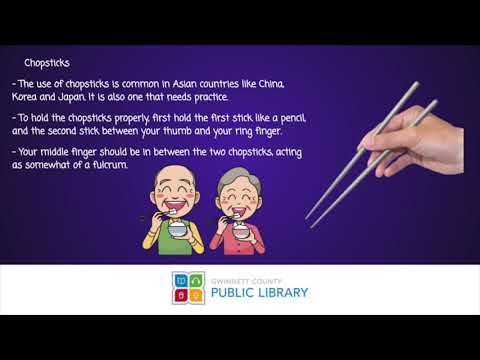
How do some cultures in China and Japan use chopsticks in rituals for baby health?
-In both China and Japan, some parents perform rituals involving chopsticks to promote good health for their babies. In China, parents may touch a stone at a shrine with chopsticks and then use the chopsticks to touch their baby's gums, wishing for strong teeth.
What is the Tooth Fairy tradition like in the UK, and has it changed over time?
-In the UK, the Tooth Fairy is a prominent figure who leaves money under a child's pillow when they lose a tooth. The amount left can vary, with some children receiving up to three pounds, although the rate may have risen due to inflation.
Outlines

Cette section est réservée aux utilisateurs payants. Améliorez votre compte pour accéder à cette section.
Améliorer maintenantMindmap

Cette section est réservée aux utilisateurs payants. Améliorez votre compte pour accéder à cette section.
Améliorer maintenantKeywords

Cette section est réservée aux utilisateurs payants. Améliorez votre compte pour accéder à cette section.
Améliorer maintenantHighlights

Cette section est réservée aux utilisateurs payants. Améliorez votre compte pour accéder à cette section.
Améliorer maintenantTranscripts

Cette section est réservée aux utilisateurs payants. Améliorez votre compte pour accéder à cette section.
Améliorer maintenantVoir Plus de Vidéos Connexes





5.0 / 5 (0 votes)

