Fiction vs. Non-fiction for Kids | All About Text Features | Twinkl USA
Summary
TLDRThis educational video script explains the key differences between fiction and non-fiction texts. It covers the essential features of each, such as the real, fact-based nature of non-fiction, which often includes a table of contents, glossary, index, and visual aids like photographs and diagrams. Fiction texts, in contrast, focus on storytelling with characters, a setting, and a clear plot structure, often presented in chapters. The video also highlights text features like headings, captions, and bold words in non-fiction, while emphasizing narrative elements like characters and theme in fiction, helping viewers understand how both genres engage readers.
Takeaways
- 😀 Non-fiction texts are based on real facts and provide information to the reader.
- 😀 Fiction texts tell a story, often including characters, settings, and events that are not real.
- 😀 Non-fiction texts usually include a table of contents, glossary, index, and diagrams with labels and photographs.
- 😀 Fiction texts often have illustrations, a problem to solve, and are written in chronological order.
- 😀 Text features in non-fiction help readers better understand the material, such as headings, subheadings, captions, and labels.
- 😀 A table of contents in non-fiction texts lists topics with corresponding page numbers, making it easier to find specific information.
- 😀 Non-fiction texts contain photographs that are actual images and illustrations that explain concepts like scientific processes.
- 😀 Bold words in non-fiction texts highlight important or challenging words, often with definitions in a glossary at the end.
- 😀 The index at the end of a non-fiction book provides an alphabetical list of topics and page numbers for easy navigation.
- 😀 Fiction text features include characters, setting, a problem, events leading to a solution, and a theme or moral of the story.
- 😀 The goal of fiction is to engage readers with a story that teaches a lesson or conveys a message about life.
Q & A
What is the main difference between fiction and non-fiction texts?
-Fiction texts are not real and tell a story with characters, events, and a problem to solve, while non-fiction texts are based on real facts and information, often featuring diagrams, photographs, and text features like glossaries and indexes.
What are some common features of non-fiction texts?
-Non-fiction texts typically include a table of contents, headings, subheadings, photographs, illustrations, captions, labels, bold words, a glossary, and an index.
How does a table of contents help readers in non-fiction texts?
-A table of contents lists the headings within the book along with the page numbers, allowing readers to easily find specific information they are looking for.
What is the role of captions and labels in non-fiction texts?
-Captions provide brief explanations of photographs or illustrations, while labels point to specific parts of an image and name those parts.
What is the purpose of bold words in non-fiction texts?
-Bold words are used to highlight important terms or concepts that are central to the subject of the text or may be challenging for the reader.
What does a glossary in a non-fiction book provide?
-A glossary provides an alphabetical list of bolded words from the text, along with definitions to help readers understand the material better.
What does an index in a non-fiction book help with?
-An index is an alphabetical list of topics or words found in the book, along with the page numbers where they can be located. It helps readers find specific information across the text.
What key features define a fiction text?
-Fiction texts are characterized by characters, a setting, a problem, events that unfold in the story, a solution to the problem, and a theme or moral.
What are characters in fiction texts?
-Characters are the people, animals, or sometimes objects in a fiction story that the plot revolves around.
What is the significance of the theme in a fiction text?
-The theme in a fiction text conveys the moral or message the author wants the reader to learn from the story, often relating to life lessons or human experiences.
Outlines

Cette section est réservée aux utilisateurs payants. Améliorez votre compte pour accéder à cette section.
Améliorer maintenantMindmap

Cette section est réservée aux utilisateurs payants. Améliorez votre compte pour accéder à cette section.
Améliorer maintenantKeywords

Cette section est réservée aux utilisateurs payants. Améliorez votre compte pour accéder à cette section.
Améliorer maintenantHighlights

Cette section est réservée aux utilisateurs payants. Améliorez votre compte pour accéder à cette section.
Améliorer maintenantTranscripts

Cette section est réservée aux utilisateurs payants. Améliorez votre compte pour accéder à cette section.
Améliorer maintenantVoir Plus de Vidéos Connexes

Buku Fiksi dan Non Fiksi Bahasa Indonesia Kelas 7 SMP Kurikulum Merdeka
Materi Bahasa Indonesia Teks Tanggapan untuk SMP/MTs Kelas VII Semester Genap

LITERASI BUKU FIKSI DAN NON FIKSI | BAHASA INDONESIA KELAS 9 | BELAJAR ONLINE | FITRI RIZKY MUSLIFA
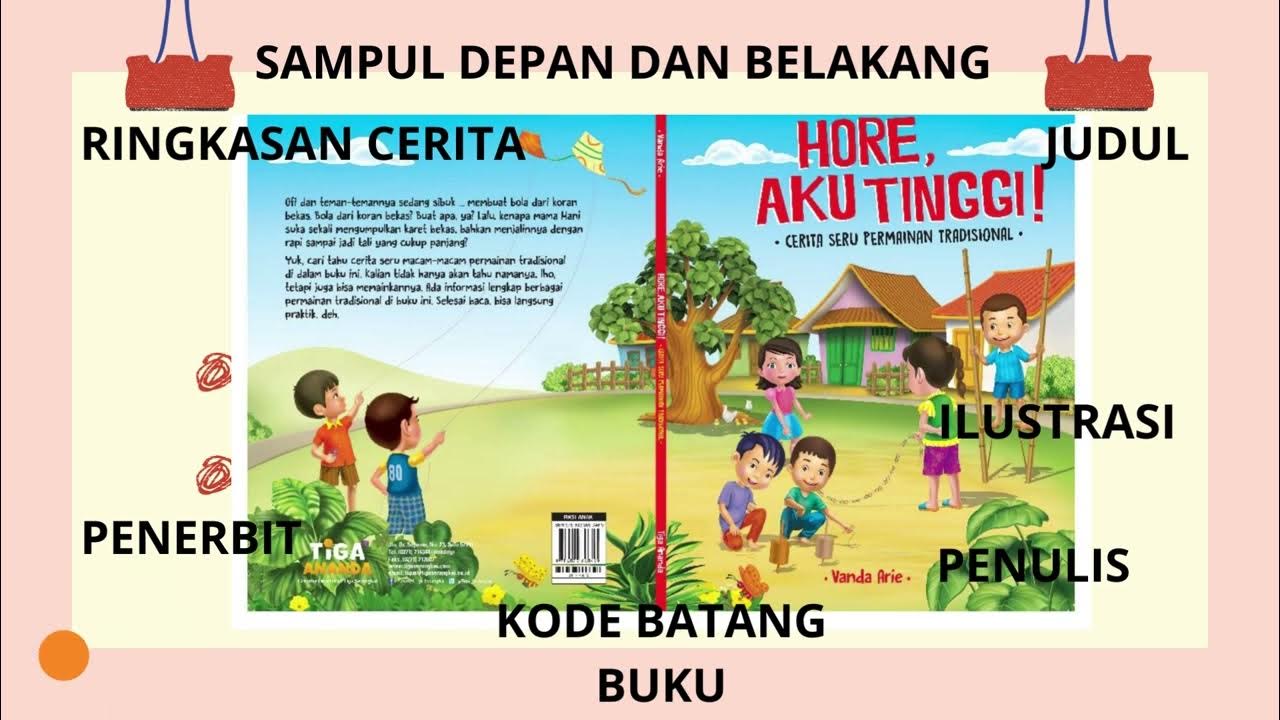
MEMBANDINGKAN BAGIAN- BAGIAN BUKU FIKSI DAN NON FIKSI

Literature Genres: What is Genre?

How to analyse non-fiction 101 (5 easy steps!)
5.0 / 5 (0 votes)

