Participial Adjective
Summary
TLDRIn this educational video, Bailey teaches viewers about the differences between adjectives ending in 'ed' and 'ing.' The video explains that 'ed' adjectives describe feelings or reactions, while 'ing' adjectives describe the characteristics of a person, place, or event. Through examples like 'bored' versus 'boring' and 'excited' versus 'exciting,' viewers gain a clear understanding of when to use each type of adjective. The lesson is wrapped up with a cheerful thank you and encouragement to continue learning.
Takeaways
- 😀 The lesson is about understanding the difference between adjectives ending in -ed and -ing.
- 😀 Adjectives ending in -ed (e.g., 'bored') describe the feelings of a person or animal.
- 😀 Adjectives ending in -ing (e.g., 'boring') describe the characteristics of a thing, event, or situation.
- 😀 The adjective with -ed is used to describe how someone feels in response to something.
- 😀 The adjective with -ing is used to describe what causes those feelings or experiences.
- 😀 Examples: 'The students are bored' (how the students feel) vs 'The lesson is boring' (how the lesson is).
- 😀 Another example: 'They are excited' (how they feel) vs 'The game is exciting' (what causes the excitement).
- 😀 The lesson aims to help learners identify when to use -ed vs. -ing adjectives in different contexts.
- 😀 The script emphasizes that knowing when to use these adjectives will make communication more accurate.
- 😀 The lesson concludes with positive reinforcement and appreciation for the students' efforts.
Q & A
What is the main topic of this video?
-The video focuses on explaining the difference between adjectives ending in '-ed' and '-ing'. It helps viewers understand how to use these adjectives to describe people, places, or events.
What is the primary difference between adjectives ending in '-ed' and '-ing'?
-Adjectives ending in '-ed' are used to describe how a person feels, while adjectives ending in '-ing' describe the characteristics of a person, place, or thing that causes the feeling.
Can you give an example of an adjective with '-ed' and one with '-ing'?
-Sure! An example with '-ed' is 'bored' (describing how a person feels), and an example with '-ing' is 'boring' (describing the thing that causes the feeling).
How do we use adjectives ending in '-ed' in a sentence?
-Adjectives ending in '-ed' are typically used to describe the feelings of a person. For example, 'The students are bored.'
How do we use adjectives ending in '-ing' in a sentence?
-Adjectives ending in '-ing' describe something that causes a feeling. For example, 'The lesson is boring.'
What did the video say about describing events or experiences?
-The video mentions that adjectives ending in '-ing' are used to describe events or experiences that can be exciting or boring, depending on how they affect people's emotions.
What are some examples of adjectives ending in '-ing'?
-Examples of adjectives ending in '-ing' include 'boring', 'amazing', and 'exciting'. These describe things, places, or events.
What are some examples of adjectives ending in '-ed'?
-Examples of adjectives ending in '-ed' include 'bored', 'amazed', and 'excited'. These describe how a person feels.
Why is it important to understand the difference between '-ed' and '-ing' adjectives?
-Understanding the difference helps in using the correct adjective to accurately describe how someone feels versus the characteristics of something that causes those feelings.
What was the closing message of the video?
-The closing message thanks the viewers for learning and encourages them to come back for more lessons in the future.
Outlines

Cette section est réservée aux utilisateurs payants. Améliorez votre compte pour accéder à cette section.
Améliorer maintenantMindmap

Cette section est réservée aux utilisateurs payants. Améliorez votre compte pour accéder à cette section.
Améliorer maintenantKeywords

Cette section est réservée aux utilisateurs payants. Améliorez votre compte pour accéder à cette section.
Améliorer maintenantHighlights

Cette section est réservée aux utilisateurs payants. Améliorez votre compte pour accéder à cette section.
Améliorer maintenantTranscripts

Cette section est réservée aux utilisateurs payants. Améliorez votre compte pour accéder à cette section.
Améliorer maintenantVoir Plus de Vidéos Connexes
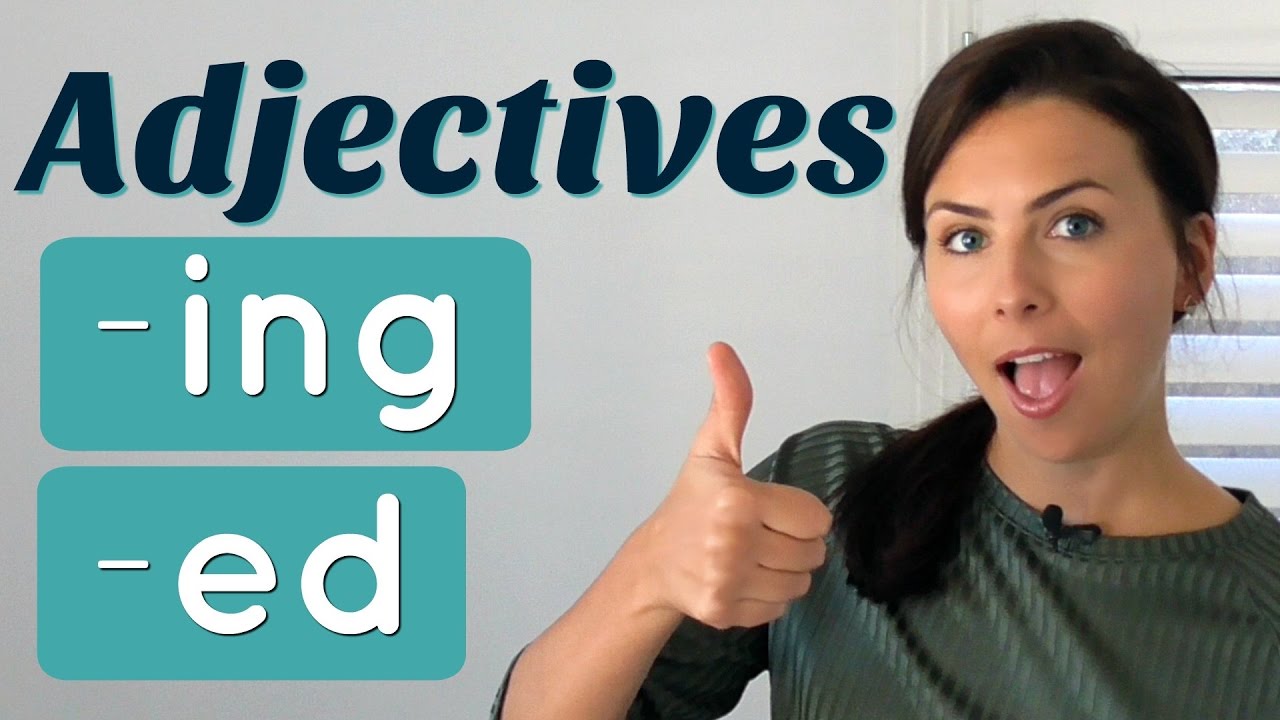
Common Mistakes with English ADJECTIVES 👉🏼 -ed and -ing endings

ADJECTIVES | -ED | -ING | English grammar and vocabulary
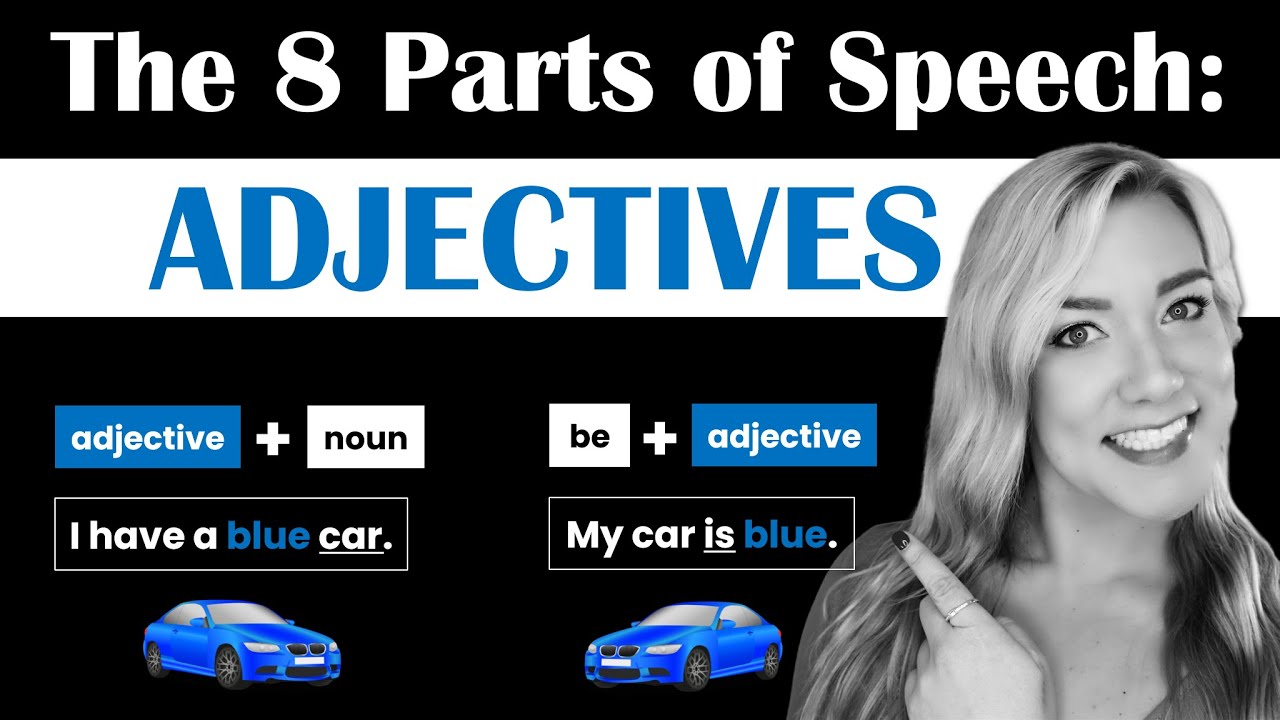
The Parts of Speech: Adjectives | Basic English Grammar for Beginners

English Grammar: Adjectives -ed vs -ing First CAE IELTS Cambridge

Como usar o ED e o ING no inglês? | Fluency TV Inglês

ADJECTIVES - Basic English Grammar - Parts of Speech Lesson 4 - What is an Adjective? - Grammar
5.0 / 5 (0 votes)

