Inside Motown's Private Meetings | Oprah’s Master Class | Oprah Winfrey Network
Summary
TLDRThe speaker reflects on a philosophy that competition fosters excellence, describing a workplace culture where employees could openly debate and challenge ideas without fear of repercussions. He emphasizes creating an environment of safety and equality, encouraging team members to critique him freely. While competition drove high-quality results, collaboration and mutual respect were equally important, as artists frequently contributed to each other's projects. Ultimately, he highlights the necessity of truly understanding and communicating with people to foster genuine love and connection, illustrating that empathy and insight are just as crucial as ambition and talent in building successful relationships and creative achievements.
Takeaways
- 😀 Competition is a driving force that can bring out the best in people.
- 😀 Encouraging open debate and critique helps improve ideas and work quality.
- 😀 Creating a safe environment allows team members to express themselves freely without fear of repercussions.
- 😀 Leadership can empower others by setting an example and trusting them to take charge.
- 😀 Evaluating work critically, even using unconventional comparisons, can provide valuable perspective.
- 😀 Excessive competition can sometimes interfere with personal relationships and collaboration.
- 😀 True teamwork involves supporting and contributing to each other’s projects.
- 😀 Listening carefully to others is essential for understanding and building trust.
- 😀 Communication is key to fostering genuine respect and empathy within a team.
- 😀 Love and understanding of people enhance collaboration and long-term success.
Q & A
What philosophy does the speaker emphasize regarding competition?
-The speaker emphasizes the philosophy that 'competition breeds champions,' encouraging people to challenge each other to improve performance and results.
How did the speaker create a safe environment for critique in the company?
-The speaker established a culture where employees could openly argue, challenge ideas, and even attack the speaker without fear of repercussions, fostering a safe space for honest feedback.
What role did Logic play in the meetings described?
-Logic was made the boss during meetings, serving as a central figure to enforce fairness and encourage employees to test ideas freely.
How did competition manifest in the quality control meetings?
-Competition showed up through debates over which songs or records were better, with employees encouraged to argue their points and determine objectively which work was superior.
What is the significance of the '$1 hot dog vs. record' example?
-This example illustrates practical decision-making and market perspective, highlighting that success isn't just about artistic quality but also about what people are willing to choose or buy.
How did collaboration occur despite the competitive environment?
-Despite competition, musicians frequently contributed to each other’s work—singing, playing instruments, and supporting one another—demonstrating mutual respect and teamwork.
What does the speaker say about the relationship between love and competition?
-The speaker notes that while competition drives excellence, love and collaboration among people ultimately override rivalry, ensuring strong, supportive relationships.
Why does the speaker believe understanding people is important?
-Understanding people allows one to appreciate their perspectives and motivations, which is essential for communication, empathy, and building meaningful connections.
How did listening contribute to the company culture?
-Listening allowed people to understand each other, reduce conflicts, and foster love and collaboration, which were crucial for the creative environment to thrive.
What lesson can leaders take from this speaker’s approach?
-Leaders can learn that creating a balance of healthy competition and open collaboration, while encouraging honest communication and understanding, cultivates both excellence and strong relationships.
How does the speaker define true respect and love among colleagues?
-True respect and love are achieved through communication, understanding, and knowing where people are coming from, not just through professional interactions.
Outlines

Cette section est réservée aux utilisateurs payants. Améliorez votre compte pour accéder à cette section.
Améliorer maintenantMindmap

Cette section est réservée aux utilisateurs payants. Améliorez votre compte pour accéder à cette section.
Améliorer maintenantKeywords

Cette section est réservée aux utilisateurs payants. Améliorez votre compte pour accéder à cette section.
Améliorer maintenantHighlights

Cette section est réservée aux utilisateurs payants. Améliorez votre compte pour accéder à cette section.
Améliorer maintenantTranscripts

Cette section est réservée aux utilisateurs payants. Améliorez votre compte pour accéder à cette section.
Améliorer maintenantVoir Plus de Vidéos Connexes

Simon Sinek's Guide to Cultivating Psychological Safety at Work

Creating A Safe Space For Pride In Your Workplace
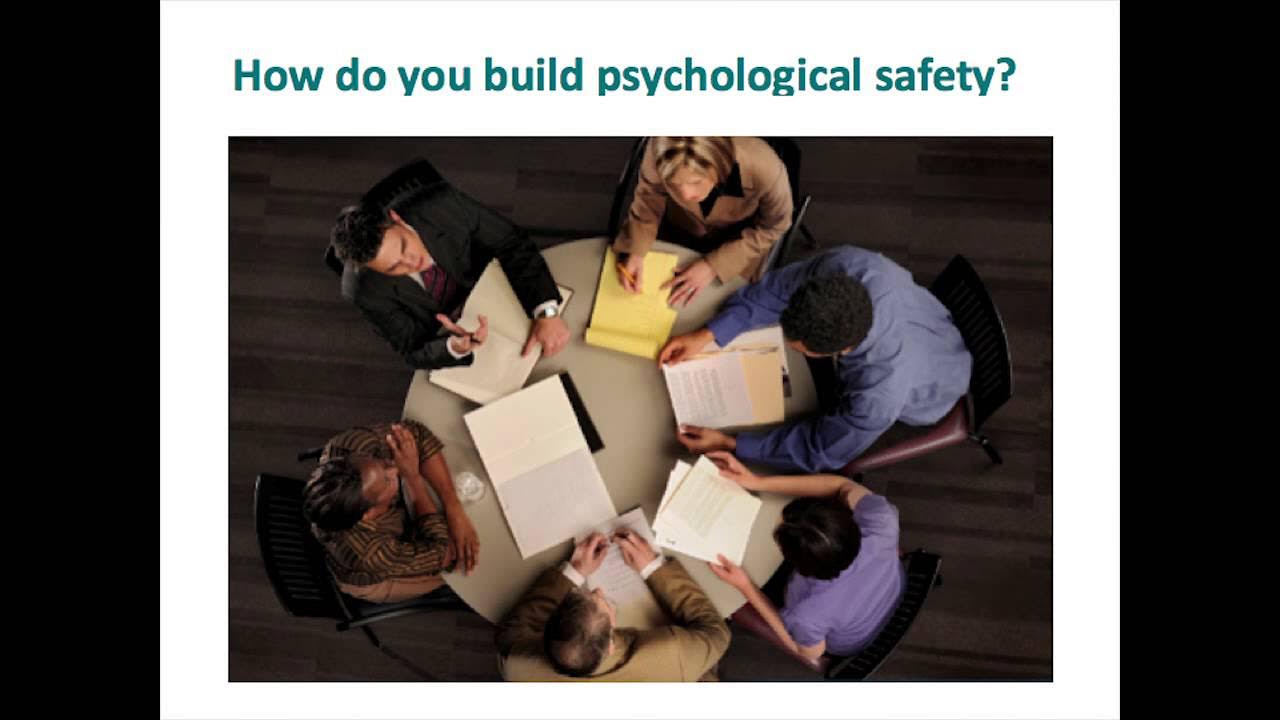
Building a psychologically safe workplace | Amy Edmondson | TEDxHGSE

Corporate Anthropology: Michael Henderson at TEDxAuckland

Como as empresas matam a inovação | Marcelo Lage | TEDxPedradoPenedo

The importance of psychological safety: Amy Edmondson
5.0 / 5 (0 votes)

