Screen Recording 20 Stops Utah's US Route6
Summary
TLDRThis video guides travelers along the 400-mile stretch of US Route 6 across Utah, highlighting 20 must-see stops over four days. From the remote desert valleys near the Nevada border to the dramatic canyons and red rock landscapes approaching Colorado, the route offers hidden historical sites, world-class rock art, unique small towns, and otherworldly scenery like Goblin Valley and Arches National Park. The guide provides practical travel tips on timing, weather, water, fuel, and offline maps, ensuring a safe and memorable road trip. Viewers will discover Utah's overlooked beauty, history, and adventure opportunities along this epic journey.
Takeaways
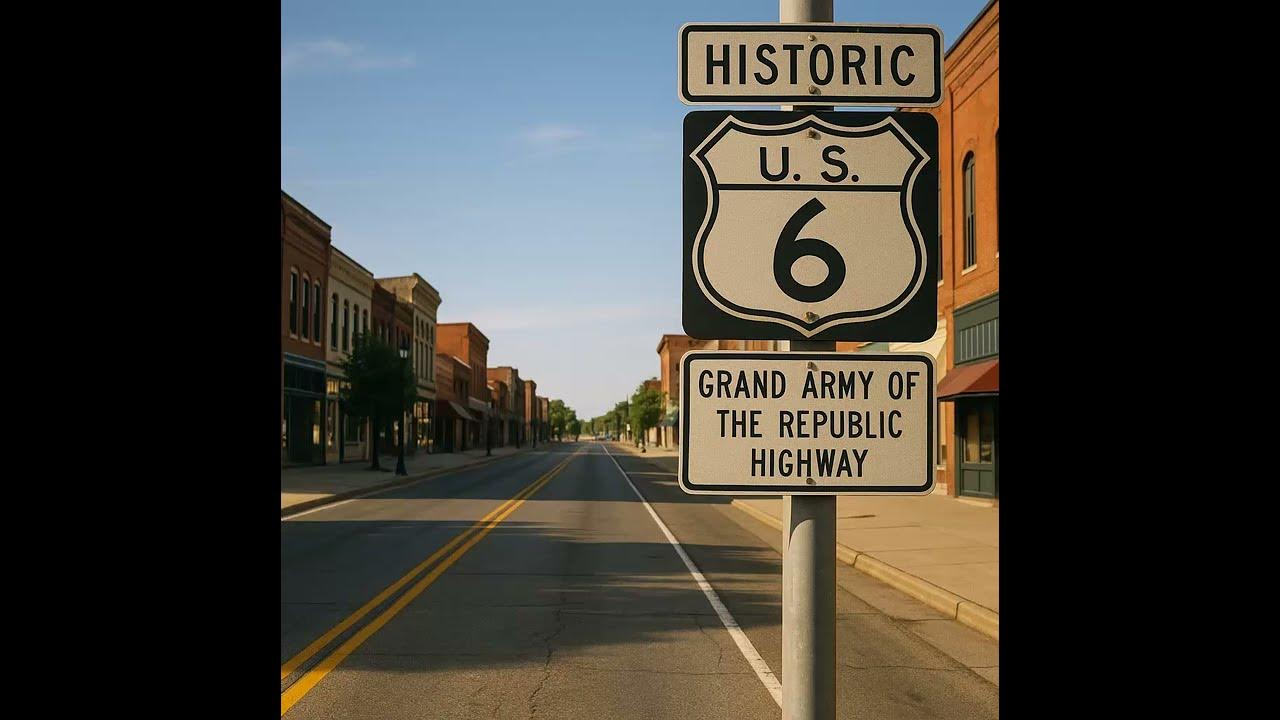
- 😀 US Route 6 in Utah spans 400 miles from the Nevada border to the Colorado border, offering diverse landscapes and historical sites.
- 😀 The highway is best traveled in spring (April–early June) or fall (September–October) to avoid extreme heat and enjoy optimal scenery.
- 😀 Travelers should carry extra water, plan for sparse fuel stations, and download offline maps due to limited cell service along the route.
- 😀 Topaz War Relocation Center is a key historical site where Japanese Americans were interned during World War II; plan 1–2 hours to visit.
- 😀 Scenic drives like Price Canyon and 9M Canyon showcase rock art, ancient petroglyphs, and dramatic landscapes; patience and timing enhance the experience.
- 😀 Helper, Utah, is a historic railroad town with murals, authentic downtown charm, and the Western Mining & Railroad Museum highlighting local history.
- 😀 Goblin Valley State Park offers a unique, otherworldly landscape with freely accessible hoodoos; Little Wild Horse Canyon provides optional slot canyon hiking.
- 😀 Green River captures classic American road trip nostalgia with vintage motels, neon signs, and local melon farms during harvest season.
- 😀 Moab and Arches National Park are major highlights with world-famous arches, hiking opportunities, and the need for permits during peak season.
- 😀 Thompson Springs is a quiet, nearly forgotten railroad town offering ghost town energy without tourist infrastructure.
- 😀 Key practical tips include checking weather for flash floods, carrying camera gear for sunrise/sunset photography, and planning overnight stops in Delta or Helper.
Q & A
What is the overall route covered in the Utah US Route 6 road trip?
-The trip covers approximately 400 miles across Utah, running from the Nevada border to the Colorado border through deserts, canyons, historic towns, and national parks.
What are the best seasons to travel along Utah’s US Route 6?
-The best times to visit are April through early June and September through October, when temperatures are milder and conditions are more comfortable for outdoor exploration.
Why is Topaz War Relocation Center considered an important stop?
-Topaz is a significant World War II historical site where thousands of Japanese Americans were forcibly relocated and confined. The museum and interpretive trails provide a sobering look at this period in American history.
What practical preparation does the guide strongly recommend before starting the trip?
-Travelers should download offline maps, carry extra water, keep fuel tanks topped off, and check weather conditions regularly because cell service and services are limited in remote stretches.
What makes Price Canyon one of the highlights of the drive?
-Price Canyon features towering cliffs, dramatic canyon scenery, colorful fall foliage, and views of freight trains winding through the canyon below, making it one of the most scenic stretches of Route 6.
What is special about 9 Mile Canyon?
-9 Mile Canyon contains one of the largest collections of rock art in North America, with ancient petroglyphs and pictographs carved into canyon walls by Indigenous peoples over a thousand years ago.
Why is the Great Hunt Panel considered a must-see attraction?
-The Great Hunt Panel is one of the canyon’s most famous rock art displays, featuring detailed ancient carvings that offer insight into the storytelling and communication of early inhabitants.
What gives the town of Helper its unique identity?
-Helper began as a railroad town where extra engines helped trains climb steep grades. Today, it blends railroad history, mining heritage, art galleries, murals, and preserved historic architecture.
What makes Goblin Valley State Park different from many national parks?
-Unlike many parks with designated trails and restricted areas, visitors at Goblin Valley can freely wander among thousands of mushroom-shaped hoodoo rock formations.
What safety warning is emphasized for Little Wild Horse Canyon?
-Visitors should never enter the slot canyon when storms are forecast because flash floods can occur suddenly and become extremely dangerous.
Why is Green River, Utah, a memorable road trip stop?
-Green River is known for its nostalgic highway-town atmosphere and its famous melon harvest season, when travelers can buy fresh cantaloupe and watermelon from roadside stands.
What scenery can travelers expect near Castle Valley?
-Travelers will encounter massive red rock formations and expansive canyon landscapes that showcase the classic dramatic scenery associated with southern Utah.
Why is Moab considered a major destination along the route?
-Moab serves as the gateway to Arches National Park and Canyonlands National Park, while also offering restaurants, outdoor adventure activities, river tours, and a lively traveler atmosphere.
What should visitors know before visiting Arches National Park?
-During peak seasons, visitors need a timed-entry reservation, and it is important to book in advance because same-day access is often unavailable.
What is notable about the hike to Delicate Arch?
-The Delicate Arch hike is a moderate three-mile round trip that culminates in a dramatic reveal of Utah’s most iconic sandstone arch.
What kind of experience does Thompson Springs offer travelers?
-Thompson Springs offers a quiet ghost-town atmosphere with abandoned railroad-era buildings and very little tourist development, giving visitors a sense of stepping back in time.
Why does the guide repeatedly emphasize carrying water?
-The route passes through extremely remote desert regions with limited shade, sparse services, and temperatures that can exceed 100 degrees Fahrenheit during summer.
What camera equipment does the guide recommend for the trip?
-The guide recommends bringing a wide-angle lens for landscapes, a tripod for sunrise and sunset photography, and extra batteries due to the large amount of photography opportunities.
Outlines

Esta sección está disponible solo para usuarios con suscripción. Por favor, mejora tu plan para acceder a esta parte.
Mejorar ahoraMindmap

Esta sección está disponible solo para usuarios con suscripción. Por favor, mejora tu plan para acceder a esta parte.
Mejorar ahoraKeywords

Esta sección está disponible solo para usuarios con suscripción. Por favor, mejora tu plan para acceder a esta parte.
Mejorar ahoraHighlights

Esta sección está disponible solo para usuarios con suscripción. Por favor, mejora tu plan para acceder a esta parte.
Mejorar ahoraTranscripts

Esta sección está disponible solo para usuarios con suscripción. Por favor, mejora tu plan para acceder a esta parte.
Mejorar ahoraVer Más Videos Relacionados

20251226 Exploring US Route 6 Tourist Association captions

🚘 Embark on a Road Trip Through Time along Historic US Route 6! 🛣️
Did You Know Route 6 Is America’s Longest Road?

Top Eateries on Route 6

20250221 Discover the Fort Morgan Museum in Colorado

Why You Should Explore America’s Hidden Gems Along US Route 6
5.0 / 5 (0 votes)

