¡No eres tonto! - Teoría de las Inteligencias Múltiples - Howard Gardner
Summary
TLDRThis script challenges the idea that intelligence is defined solely by IQ, introducing Howard Gardner’s theory of multiple intelligences. It explains that intelligence is a diverse set of abilities, not a single measure, and highlights eight distinct types, including linguistic, logical-mathematical, spatial, musical, and interpersonal skills. The video emphasizes that individuals may excel in different areas and that these abilities can develop over time. It also explores the impact of this theory on education, encouraging personalized learning approaches. Ultimately, it inspires viewers to recognize their unique strengths and understand that not being good at one thing does not mean they are not intelligent.
Takeaways
- 😀 IQ is not the only measure of intelligence; there are multiple types of intelligence.
- 😀 Howard Gardner revolutionized the understanding of intelligence by proposing the theory of multiple intelligences.
- 😀 Unlike traditional views that focus only on IQ, Gardner argued that intelligence is a broad and diverse concept.
- 😀 According to Gardner, intelligence is a set of distinct abilities that help solve problems or create valued products.
- 😀 The eight types of intelligence identified by Gardner are: linguistic, logical-mathematical, spatial, musical, bodily-kinesthetic, intrapersonal, interpersonal, and naturalistic.
- 😀 Linguistic intelligence involves the effective use of language, including reading, writing, and memorization.
- 😀 Logical-mathematical intelligence relates to reasoning, problem-solving, and abstract thinking.
- 😀 Spatial intelligence is about perceiving the visual and spatial world accurately, including skills in orientation and visualization.
- 😀 Musical intelligence involves recognizing, creating, and appreciating music, with a focus on rhythm, melody, and tone.
- 😀 The theory of multiple intelligences has had a significant impact on education, emphasizing individualized teaching methods based on each student's strengths.
Q & A
What is the main idea behind Howard Gardner's theory of multiple intelligences?
-Howard Gardner's theory of multiple intelligences proposes that intelligence is not a single entity but a collection of distinct abilities that vary from person to person. These intelligences allow individuals to solve problems and create products that are valued in one or more cultural contexts.
How does Gardner's theory differ from the traditional view of intelligence?
-The traditional view of intelligence often limits it to IQ, focusing solely on cognitive abilities. Gardner's theory, however, expands the concept to include various types of intelligence beyond logical-mathematical reasoning, acknowledging the diversity of human abilities.
What are the eight types of intelligence identified by Gardner?
-The eight types of intelligence identified by Gardner are: linguistic, logical-mathematical, spatial, musical, bodily-kinesthetic, interpersonal, intrapersonal, and naturalistic.
What is linguistic intelligence?
-Linguistic intelligence is the ability to use language effectively, both in speaking and writing. It includes skills such as reading, writing, discourse, and memorization.
What does logical-mathematical intelligence entail?
-Logical-mathematical intelligence involves the ability to reason, analyze problems, solve equations, and think abstractly. It includes skills like classification, seriating, and problem-solving.
What is spatial intelligence, and how is it useful?
-Spatial intelligence is the ability to perceive the world visually and spatially. It includes skills such as orientation, visualization, and creating mental representations of objects or spaces.
How does musical intelligence differ from the other types of intelligence?
-Musical intelligence is the ability to recognize, create, and appreciate music. It involves skills like perceiving tones, rhythms, melodies, and composing music, distinguishing it from other intelligences which focus on different domains such as language or logical reasoning.
What is bodily-kinesthetic intelligence?
-Bodily-kinesthetic intelligence refers to the ability to use the body effectively and in a coordinated manner. It includes skills such as dancing, sports, craftsmanship, and other forms of physical expression.
How does interpersonal intelligence benefit individuals?
-Interpersonal intelligence is the ability to understand others, empathize with them, and build effective social relationships. It includes skills such as communication, negotiation, and conflict resolution.
Why is intrapersonal intelligence important?
-Intrapersonal intelligence involves understanding oneself, recognizing one's emotions and motivations, and setting personal goals. It is important for self-awareness and personal growth, helping individuals navigate their emotions and decisions.
What role does naturalistic intelligence play in everyday life?
-Naturalistic intelligence is the ability to recognize, classify, and utilize elements from the environment, such as plants and animals. It includes skills like observation, exploration, and classification, often seen in professions like biology, environmental science, or farming.
How has Gardner's theory influenced the field of education?
-Gardner's theory has had a significant impact on education by encouraging educators to recognize that students have different strengths and learning styles. By identifying students' predominant intelligences, teachers can adapt their teaching methods to be more effective and motivating for diverse learners.
How can the theory of multiple intelligences help in personal development?
-The theory suggests that intelligence is not fixed and can be developed over time. By recognizing and nurturing one's various intelligences, individuals can unlock their full potential and lead more fulfilling, well-rounded lives.
What is the importance of recognizing diverse types of intelligence in society?
-Recognizing diverse types of intelligence helps us value a wider range of skills and talents, moving beyond traditional academic measures. It fosters inclusivity, encourages personal growth, and enhances the ability to solve complex problems by leveraging different strengths.
Outlines

Esta sección está disponible solo para usuarios con suscripción. Por favor, mejora tu plan para acceder a esta parte.
Mejorar ahoraMindmap

Esta sección está disponible solo para usuarios con suscripción. Por favor, mejora tu plan para acceder a esta parte.
Mejorar ahoraKeywords

Esta sección está disponible solo para usuarios con suscripción. Por favor, mejora tu plan para acceder a esta parte.
Mejorar ahoraHighlights

Esta sección está disponible solo para usuarios con suscripción. Por favor, mejora tu plan para acceder a esta parte.
Mejorar ahoraTranscripts

Esta sección está disponible solo para usuarios con suscripción. Por favor, mejora tu plan para acceder a esta parte.
Mejorar ahoraVer Más Videos Relacionados

Howard Gardner’s “Theory of Multiple Intelligence | B.ED 1st Year | Psychology Of Childhood

QUAL É O SEU TIPO DE INTELIGÊNCIA? Descubra AGORA e PARE de se achar BURRO!
Kecerdasan Majemuk | Kecerdasan Majemuk Anak | 9 Tipe Kecerdasan Manusia

Contemporary topic 2 Third Edition : Unit 5 How we each learn best
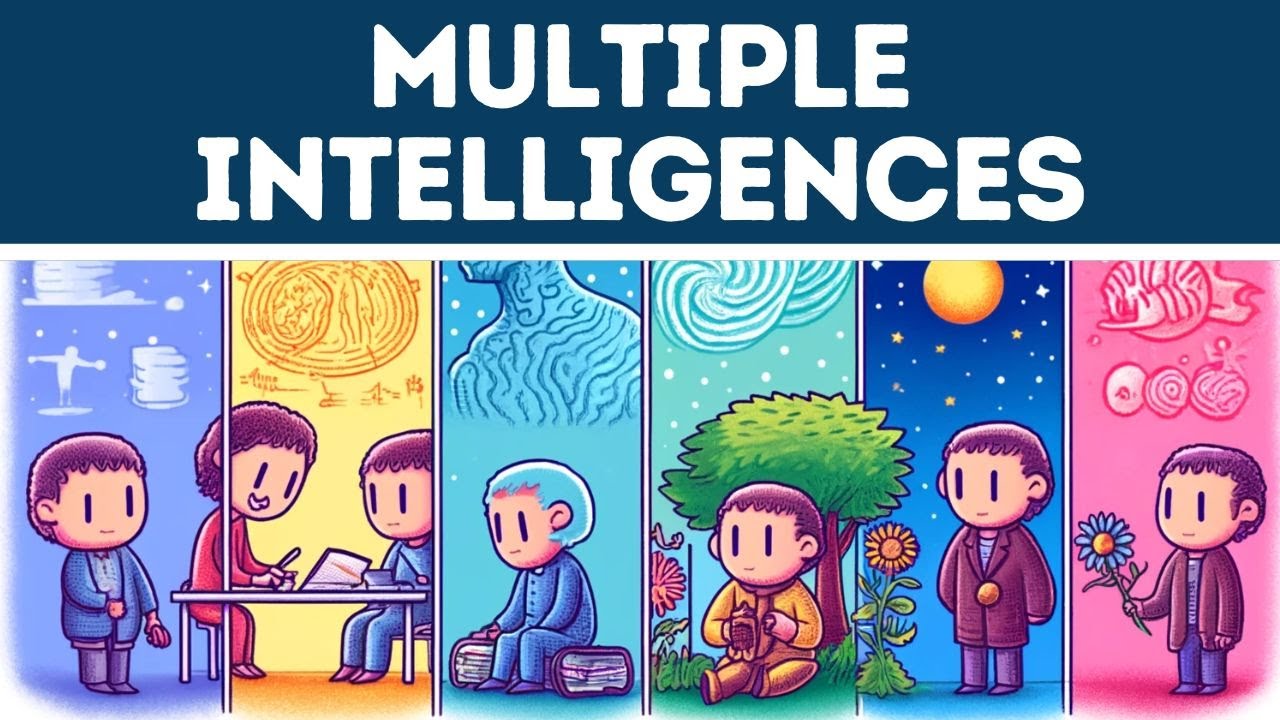
Multiple Intelligences (Explained for Beginners in 4 Minutes)
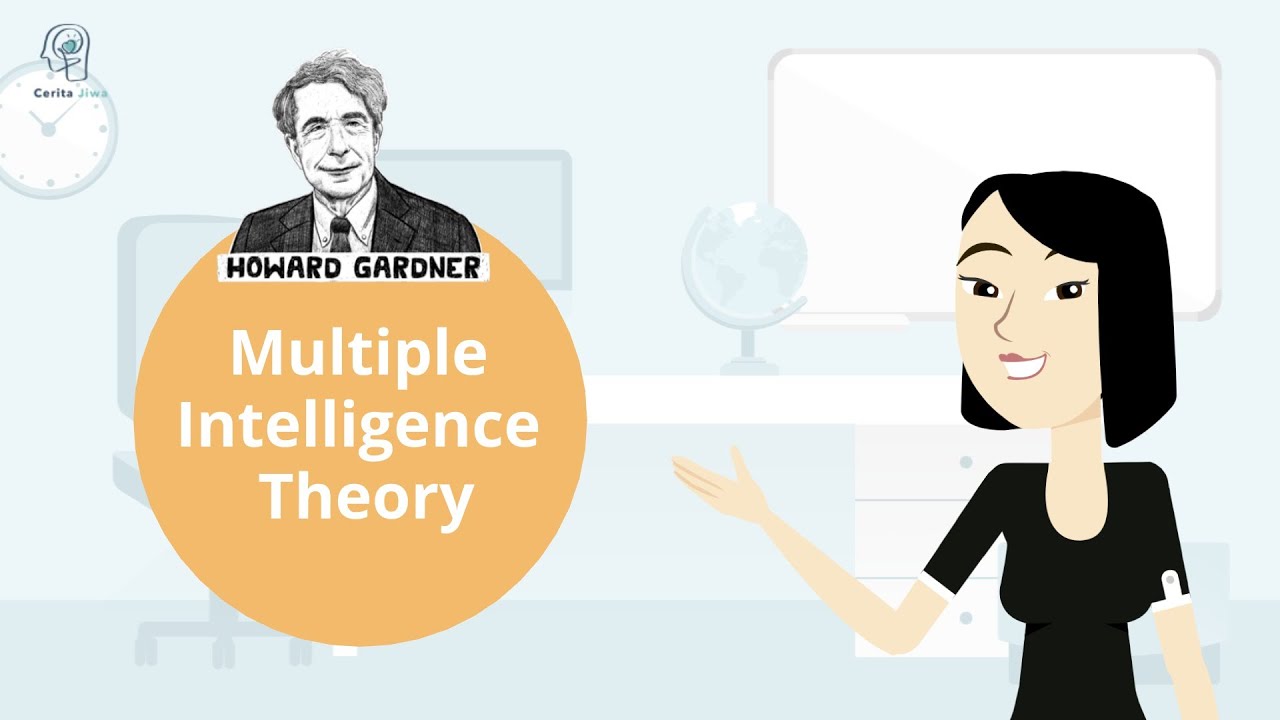
8 Jenis Kecerdasan || MULTIPLE INTELLIGENCE
5.0 / 5 (0 votes)

