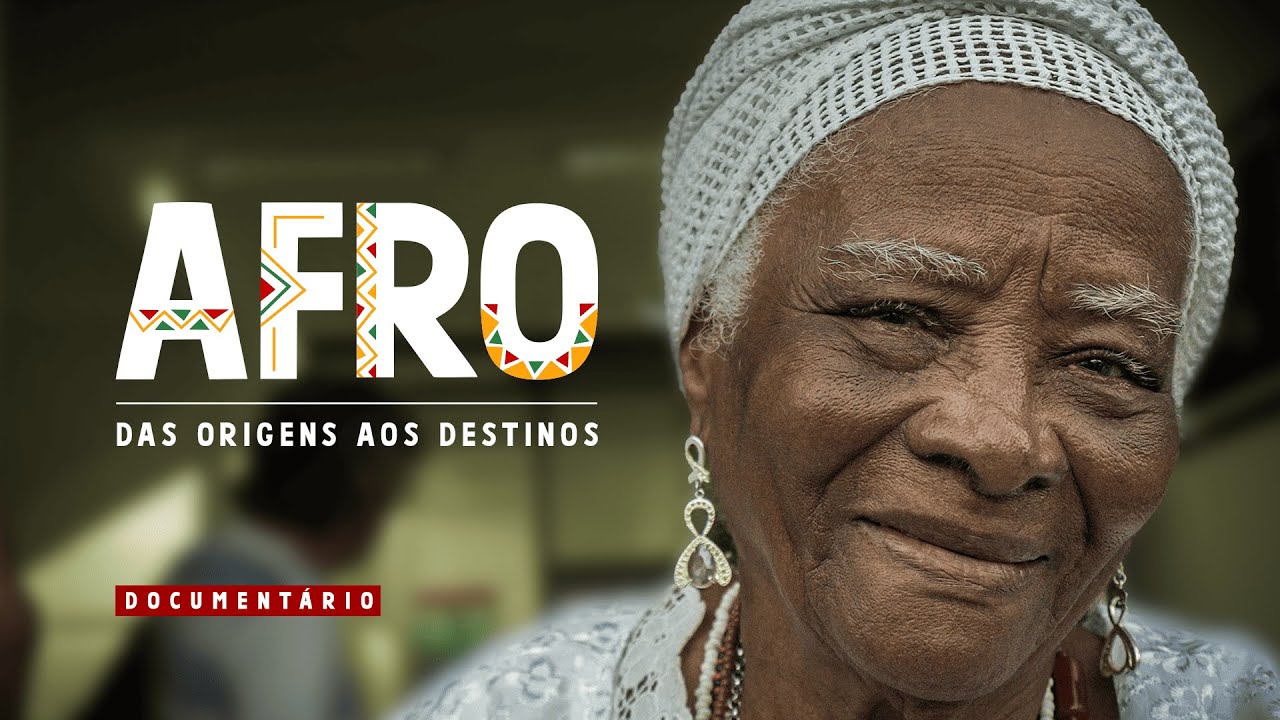
🎥 Documentário - Quilombos do século XXI
Summary
TLDRThe video explores the history, struggles, and resilience of Brazil's quilombola communities—descendants of escaped enslaved Africans. It highlights their fight for land recognition, cultural preservation, and social inclusion, emphasizing the role of Fundação Palmares and legal frameworks like the 1988 Constitution and ILO Convention 169. The narrative addresses structural racism, socioeconomic vulnerability, and the importance of education in promoting Afro-Brazilian history and culture. It celebrates the communities' enduring resistance, intergenerational knowledge, and contributions to Brazilian society, while advocating for public policies, sustainable development, and equal opportunities for future generations.
Takeaways
- 😀 The speaker highlights their family’s history as descendants of quilombolas, a community that has been growing over generations through the merging of families from various regions.
- 😀 The identity of quilombola communities is deeply rooted in their ancestral connections, especially to the historical quilombo of Palmares, which stands as a symbol of resistance and freedom.
- 😀 The Fundação Palmares is responsible for certifying quilombola communities, acknowledging their historical and cultural significance.
- 😀 Despite the historical and cultural importance, only a small fraction of quilombola communities have officially recognized land titles, reflecting the inertia of state action.
- 😀 Land disputes and territorial recognition have been significant challenges, as these communities have been historically marginalized and oppressed by large landowners.
- 😀 Quilombolas face systemic racism and exclusion in various forms, including structural racism, discrimination, and barriers to accessing essential public services.
- 😀 The 1988 Brazilian Constitution recognized the land rights of quilombola communities, ensuring legal protection and land demarcation.
- 😀 The role of quilombo communities in resisting colonial systems and organizing their own societies has shaped their current identity as spaces of resistance and resilience.
- 😀 The education of quilombola youth is vital, especially in preserving Afro-Brazilian culture and history, but it faces barriers such as inadequate implementation of laws and a lack of educational resources.
- 😀 The socio-economic conditions of quilombola communities remain dire, with a significant need for improved access to public policies in areas such as health, education, and infrastructure.
Q & A
What is the primary focus of the speaker in the transcript?
-The primary focus of the speaker is to discuss the history, struggles, and identity of quilombola communities in Brazil, emphasizing their fight for land recognition, cultural preservation, and the challenges they face due to structural racism and exclusion from socio-economic opportunities.
What is the significance of the Quilombo dos Palmares mentioned in the transcript?
-Quilombo dos Palmares is a key historical reference in the transcript, symbolizing resistance to slavery and the pursuit of freedom. The speaker identifies with it as part of their own quilombola heritage and as an example of the societal organization and values that these communities uphold.
What challenges do quilombola communities face in obtaining land recognition?
-Quilombola communities struggle with bureaucratic delays, political inertia, and a lack of state support. Despite their historical ties to the land, many communities are still not officially recognized or titled, which affects their access to social and legal rights.
How does the speaker describe the role of the Brazilian government in quilombola communities?
-The speaker criticizes the Brazilian government for its historical neglect and continued lack of support for quilombola communities. While some progress has been made, such as the creation of the Brazil Quilombola program, the speaker calls for more action and investment in public policies that address the needs of these communities.
What does the speaker mean by 'structural racism' in the context of quilombola communities?
-Structural racism refers to the systemic discrimination embedded in the country's institutions, which perpetuates the exclusion and marginalization of quilombola and other Afro-Brazilian communities. This racism is evident in areas like land ownership, education, healthcare, and employment.
What is the importance of education in the preservation of quilombola culture?
-Education plays a critical role in preserving quilombola culture, as it allows future generations to learn about their history, values, and identity. The speaker emphasizes the need for the history and culture of Afro-Brazilian communities to be included in school curricula.
What are the impacts of land dispossession on quilombola communities?
-Land dispossession has led to the disintegration of quilombola communities, leaving them vulnerable to exploitation and marginalization. Without secure land rights, these communities struggle to maintain their cultural heritage and economic stability.
Why is the concept of 'quilombo' distinct from 'quilombola' in the speaker’s explanation?
-The term 'quilombo' refers to the historical settlements established by runaway slaves during the colonial era, while 'quilombola' refers to the descendants of these communities today. The speaker stresses that quilombola communities continue to embody the resilience, resistance, and social organization of their ancestral quilombos.
What role does the Fundação Palmares play in the recognition of quilombola communities?
-Fundação Palmares is responsible for certifying quilombola communities and recognizing their historical significance. However, the speaker notes that the foundation's efforts have been insufficient in ensuring that all quilombola communities receive the legal recognition and support they need.
How does the speaker propose improving the situation for quilombola communities?
-The speaker advocates for stronger public policies focused on land rights, healthcare, education, and economic development for quilombola communities. They also call for the elimination of structural racism and greater respect for Afro-Brazilian culture and identity.
Outlines

Esta sección está disponible solo para usuarios con suscripción. Por favor, mejora tu plan para acceder a esta parte.
Mejorar ahoraMindmap

Esta sección está disponible solo para usuarios con suscripción. Por favor, mejora tu plan para acceder a esta parte.
Mejorar ahoraKeywords

Esta sección está disponible solo para usuarios con suscripción. Por favor, mejora tu plan para acceder a esta parte.
Mejorar ahoraHighlights

Esta sección está disponible solo para usuarios con suscripción. Por favor, mejora tu plan para acceder a esta parte.
Mejorar ahoraTranscripts

Esta sección está disponible solo para usuarios con suscripción. Por favor, mejora tu plan para acceder a esta parte.
Mejorar ahora



5.0 / 5 (0 votes)

